English
 Español

Effective Locking Mechanisms in Adjustable Painting Roller Frames
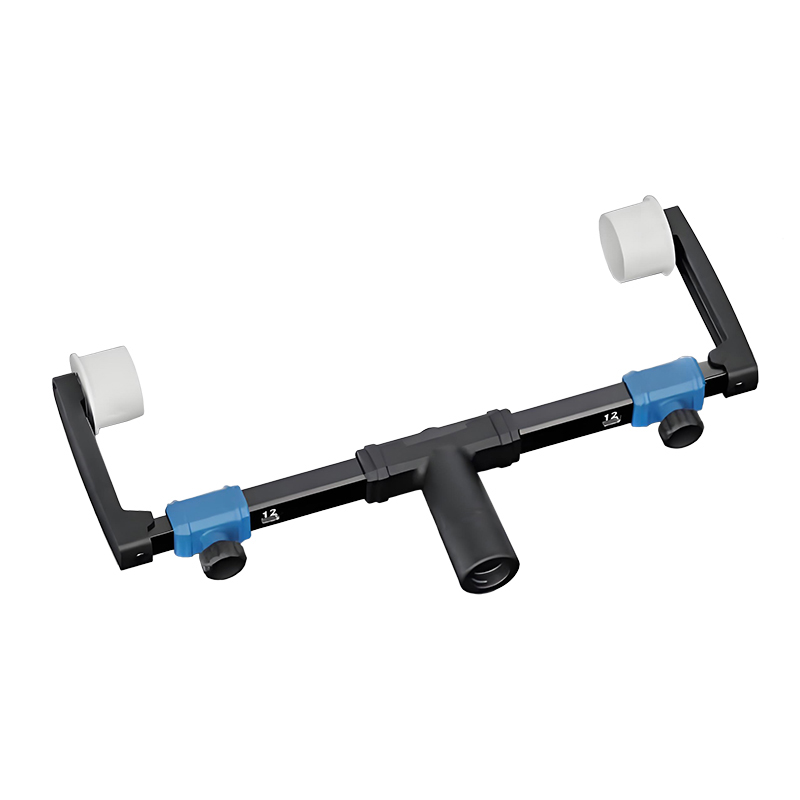
The primary locking mechanisms used in Adjustable Painting Roller Frames are twist locks, lever locks, and spring-loaded pins. Each system ensures that the roller frame maintains its set length and prevents slippage during use, even under heavy pressure or extended reach. Among these, twist locks are most common in professional-grade frames due to their reliable torque-based grip, capable of holding frames extended up to 2.5 meters without any downward movement.
Lever locks provide a quick adjustment option that locks with a simple flip, making them ideal for situations where frequent length changes are required. Spring-loaded pins, often used in combination with telescopic rods, provide secure positioning with audible clicks that confirm engagement, giving users confidence in stability.
Twist Locks: Design and Functionality
Twist locks operate by rotating the outer sleeve of the roller frame, which tightens an internal friction collar against the inner rod. This design offers high holding power and durability, suitable for long walls or ceilings where extended frames may experience downward force. Professional-grade twist locks can withstand forces up to 45–50 kg without slipping.
In practice, users simply extend the roller frame to the desired length and rotate the collar clockwise until it locks. The main advantages include:
- Precision: Maintains exact extension length without movement.
- Durability: Resistant to repeated adjustments over months of use.
- Compatibility: Works with standard telescopic roller rods.
Lever Locks: Quick and Efficient Adjustment
Lever locks consist of a small lever on the roller frame that, when flipped, tightens an internal clamp around the rod. This method allows rapid adjustment without twisting or screwing, which can save significant time during long painting projects. Lever locks are especially useful for painting professionals who switch between wall and ceiling heights frequently.
The advantages of lever locks include:
- Speed: Adjust frame length in seconds without hand fatigue.
- Reliability: Secure hold even under moderate pressure.
- Ease of Use: Minimal learning curve, suitable for DIY users and professionals alike.
Spring-Loaded Pins: Security Through Engagement
Spring-loaded pin mechanisms rely on a pin that automatically inserts into pre-drilled holes along the roller frame's telescopic rod. The pin locks the frame into position, often with an audible click to indicate secure engagement. These systems are highly valued for their visual and tactile feedback, ensuring users know the frame is safely locked.
Key benefits of spring-loaded pins include:
- Secure Positioning: Pin prevents accidental slippage even under uneven pressure.
- Incremental Adjustment: Allows precise length changes at pre-determined intervals.
- Low Maintenance: Simple design with minimal moving parts reduces wear over time.
Comparison of Locking Mechanisms
| Mechanism | Adjustment Speed | Holding Strength | Durability | Best Use |
|---|---|---|---|---|
| Twist Lock | Medium | High | Very High | Professional walls/ceilings |
| Lever Lock | Fast | Medium | High | Quick adjustments, DIY |
| Spring-Loaded Pin | Medium | High | Medium | Precision adjustments, safety-critical use |
Practical Tips for Choosing the Right Locking Mechanism
When selecting Adjustable Painting Roller Frames, consider the following:
- Frequency of Adjustment: Lever locks are ideal for frequent changes, while twist locks work best for long-term fixed lengths.
- Weight of Roller Frame: Heavier frames require twist locks or spring-loaded pins for maximum stability.
- Work Environment: For uneven or textured surfaces, spring-loaded pins provide additional security against accidental slippage.
- User Experience: Professionals often prefer twist locks for durability, while beginners appreciate the simplicity of lever locks.
- Budget Considerations: Twist locks tend to be more expensive but offer higher longevity and reliability.
Ultimately, understanding the differences in locking mechanisms helps users maintain precision, safety, and efficiency during painting projects.