English
 Español

Can the Paint Tray Be Reused?
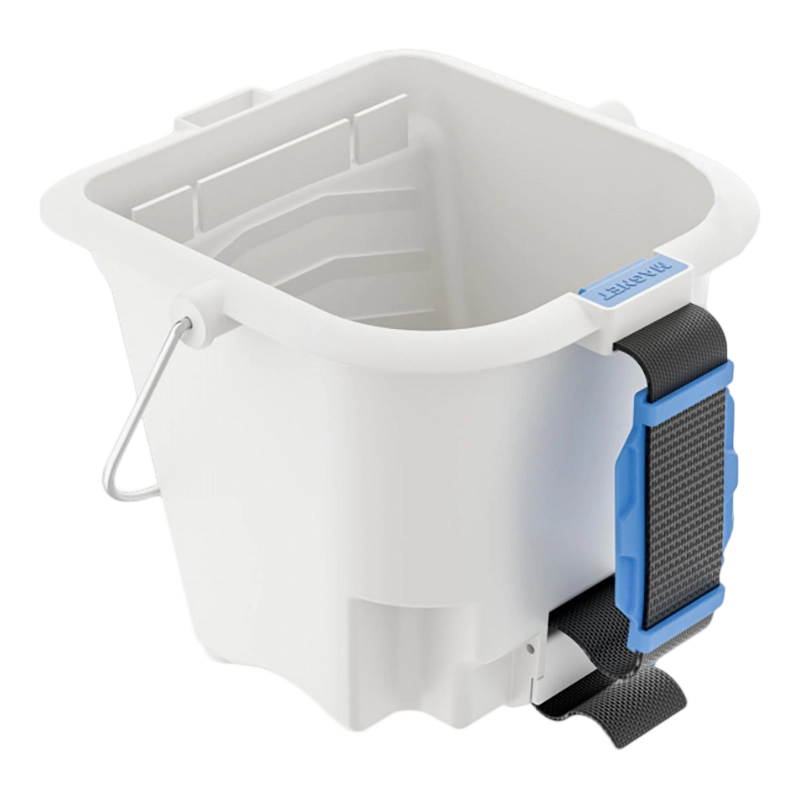
Paint Tray can be reused multiple times without significant degradation in performance or structure, provided it is properly cleaned, maintained, and made from durable materials. High-quality Paint Trays made from reinforced plastic, metal, or composite materials can typically withstand repeated use over dozens of painting cycles. However, improper cleaning, exposure to harsh solvents, or physical damage can reduce its lifespan.
The overall reusability of a Paint Tray depends on factors such as material quality, frequency of use, type of paint used, and maintenance practices. With proper care, a Paint Tray can remain functional and structurally sound for long-term professional or DIY use.
Materials and Their Impact on Reusability
The material of a Paint Tray plays a critical role in determining how many times it can be reused without losing performance. Different materials offer varying levels of durability, resistance to chemicals, and ease of cleaning.
Common Paint Tray Materials
- Plastic Paint Trays: Lightweight and affordable, typically reusable 10–30 times depending on quality.
- Metal Paint Trays: Highly durable, often reusable 50+ times with proper care.
- Composite or Reinforced Trays: Designed for professional use, offering extended durability and resistance to cracking.
For example, a contractor using a reinforced metal Paint Tray daily may replace it only after several months of intensive use, while a low-cost plastic tray used with solvent-based paints may degrade faster.
Cleaning and Maintenance Practices
Proper cleaning is the most important factor in ensuring a Paint Tray remains reusable. Residual paint can harden, causing uneven surfaces that affect roller performance and paint distribution.
Recommended Cleaning Steps
- Remove excess paint immediately after use.
- Rinse with water for latex paints or appropriate solvent for oil-based paints.
- Use a brush or scraper to remove dried residue.
- Dry thoroughly to prevent corrosion or mold.
Studies in tool maintenance practices show that cleaning within 30 minutes of use significantly increases the lifespan of reusable painting tools, including Paint Trays.
Performance Degradation Over Time
Although a Paint Tray can be reused, gradual wear and tear may affect its performance. Common signs of degradation include surface roughness, warping, staining, and loss of structural integrity.
Key Performance Factors
- Surface smoothness affects roller loading efficiency.
- Structural rigidity ensures stability during use.
- Resistance to chemicals prevents breakdown when using solvents.
Over time, repeated exposure to abrasive cleaning or harsh chemicals can reduce a Paint Tray’s effectiveness, particularly in plastic models that may become brittle after extended use.
Comparison of Paint Tray Longevity by Material
| Material | Estimated Reuse Cycles | Durability Level | Maintenance Requirement |
|---|---|---|---|
| Plastic | 10–30 | Medium | High |
| Metal | 50+ | High | Medium |
| Composite | 40–80 | Very High | Medium |
When Should You Replace a Paint Tray?
Even though a Paint Tray is reusable, there are situations where replacement becomes necessary to maintain efficiency and quality of work.
- Visible cracks or structural damage.
- Persistent paint buildup that cannot be removed.
- Warping that affects roller movement.
- Loss of grip or stability during use.
In professional environments, replacing a Paint Tray at the first sign of structural compromise helps maintain consistent paint application and avoids contamination between projects.
Best Practices to Extend Reusability
Following best practices can significantly extend the usable life of a Paint Tray while maintaining performance quality.
- Use liners to reduce direct paint contact.
- Clean immediately after each use.
- Avoid using abrasive tools that scratch the surface.
- Store in a dry, temperature-controlled environment.
- Avoid prolonged exposure to solvents when unnecessary.
By following these practices, users can maximize the lifespan of their Paint Tray, ensuring consistent performance across multiple projects while minimizing replacement costs.