 English
 Español

The Paint Roller Cover is the clearly better tool for painting large flat ceilings because it covers far more surface area per stroke, holds significantly more paint, and produces a more uniform, streak-free finish than a paint brush. A standard 9-inch Paint Roller Cover can cover roughly 100 to 150 square feet in the...
Read More Product categories
Hot Products
Paint Spiked Roller Suppliers
-
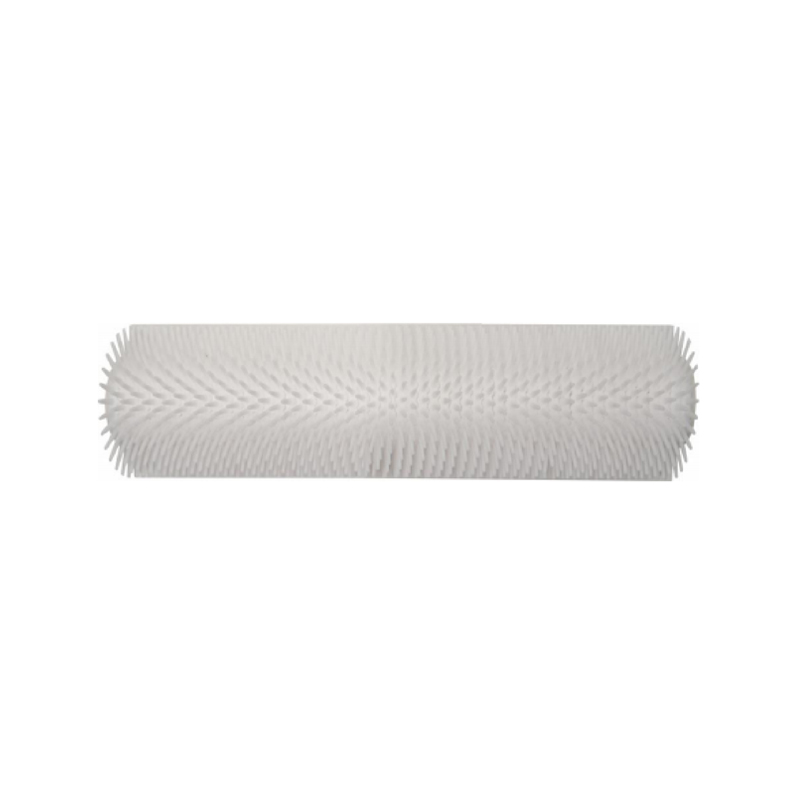
9 Inch Spiked Roller CoverThe 9-inch spiked roller cover is a tool accessory designed for efficient coating operations. It is ...
-
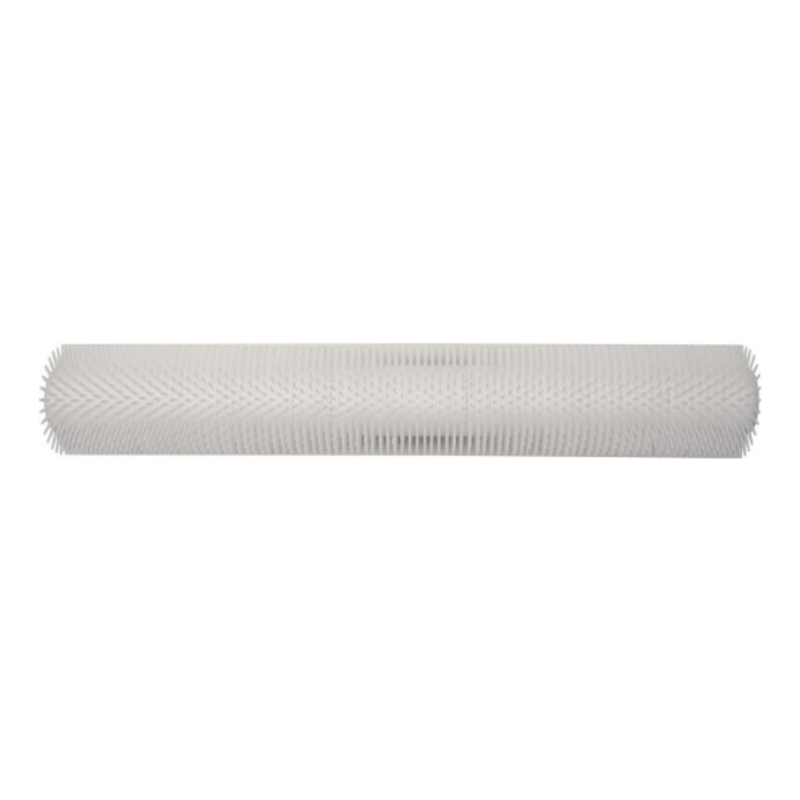
18 Inch Spiked Roller CoverThe 18 inch spiked roller cover is an essential tool for a variety of surface preparation and coatin...
Featuring precision-engineered spikes , this revolutionary Spiked Roller eliminates air bubbles while creating ideal texture base. Made of specialty TPE material with high elastic deformation, it ensures proper compaction without scratching surfaces. The ultimate solution for gypsum/cement-based putty applications with 300% efficiency improvement.
About Us
Ningbo Bestar Paintech Co.,Ltd.
Ningbo Bestar Paintech Co.,Ltd. is a manufacturer of high-quality professional and DIY painting tools and accessories in China, located in the Ningbo Port area. Specializing in paint rollers, brushes, extension poles, and other related products, we proudly serve top global paint producers, major retailers, and private brands. As a famous China Paint Spiked Roller Manufacturers and Paint Spiked Roller Suppliers, with three facilities and over 350 experienced employees, we offer competitive pricing, timely delivery, and stable quality. Our unique advantage lies in our dedicated R&D team, which develops advanced automatic machines for roller frames and covers, holding over 50 patents in both products and machinery.
News
-
-
The clear conclusion is that a swivel-head paint roller handle performs significantly better than a fixed-head paint roller handle when reaching corners and edges, especially in tight or irregular spaces. The swivel mechanism allows continuous angle adjustment, improving contact consistency by up to 35–50% in corner c...Read More
-
The wall paint brush with flagged (split-tip) bristles does hold and release paint more evenly than unflagged synthetic bristle brushes, and the difference is measurable in both performance and finish quality. Flagged bristles create a finer, more paint-loaded tip that distributes pigment smoothly across surfaces, red...Read More
Paint Spiked Roller Industry knowledge
The Design and Structure of Spiked Rollers
One of the most critical aspects of spiked roller design is the materials used in their construction. Spiked rollers must endure significant wear and tear, particularly when used for heavy-duty applications like industrial flooring or thick coating layers. The durability of a spiked roller depends not only on the material of the frame but also on the composition of the spikes themselves. The frame of a spiked roller is typically made from high-quality, corrosion-resistant metals like stainless steel or aluminum. Stainless steel is often preferred because of its superior resistance to rust, which ensures that the roller can withstand exposure to moisture without deteriorating. Aluminum, on the other hand, is lightweight, which can be advantageous when working on large-scale projects, as it helps reduce the overall weight of the tool, making it easier to handle. When it comes to the spikes, they are generally made from hardened steel or carbon steel. These materials provide the necessary strength to puncture through thick coatings without bending or breaking. The spikes must be sharp and durable to create precise perforations that remove air bubbles and allow the coating to level out smoothly. Some spiked rollers are designed with stainless steel spikes, which offer enhanced resistance to corrosion and provide a longer service life, particularly in harsh working conditions. In addition to these materials, some spiked rollers feature coatings or finishes designed to improve their performance and longevity. For instance, some manufacturers apply chrome plating to the spikes to enhance their resistance to wear and corrosion. The frame may also be powder-coated or anodized to provide an additional layer of protection against environmental factors like moisture and chemicals. Ningbo Bestar Paintech Co., Ltd. specializes in the design and manufacturing of spiked rollers using high-quality materials, ensuring that each product is durable, efficient, and performs optimally in various coating applications. Their commitment to material excellence ensures that the rollers they produce are capable of handling both professional-grade and DIY projects with ease.
The configuration of the spikes on a spiked roller is critical to its functionality. The spikes are typically arranged in a uniform, evenly spaced pattern across the roller's surface. The purpose of the spikes is twofold: first, to perforate the applied coating to release trapped air bubbles, and second, to ensure that the coating material spreads evenly across the surface. The length, spacing, and sharpness of the spikes are carefully calibrated to ensure optimal performance. Spikes that are too short may not penetrate the coating sufficiently, while spikes that are too long can create uneven impressions or grooves on the surface. Similarly, the spacing between the spikes must be uniform to ensure that the entire surface is perforated evenly, without leaving any untouched areas that could result in visible imperfections. Spike length can vary depending on the type of coating being applied and the surface being treated. For example, when working with thicker coatings, such as epoxy or self-leveling compounds, longer spikes may be necessary to penetrate the material effectively. On the other hand, for thinner coatings or for use on more delicate surfaces, shorter spikes may be preferred to avoid damaging the underlying material. The configuration also depends on the intended application. For example, spiked rollers used for floor coatings may have a different spike arrangement than those used for wall applications or countertop finishes. Some rollers feature finer spikes for applications requiring a high degree of precision, while others may have more robust, heavy-duty spikes for industrial use. Ningbo Bestar Paintech Co., Ltd. offers a variety of spiked roller configurations, each tailored to specific applications.
The frame of the spiked roller is just as important as the spikes themselves. A well-designed frame not only supports the spikes but also contributes to the overall ease of use and efficiency of the tool. The frame must be both sturdy enough to handle the pressure exerted during the coating process and lightweight enough to allow the user to maneuver the tool effectively. In most cases, the frame of a spiked roller consists of a cylindrical tube made of metal, such as stainless steel or aluminum. The tube is designed to house the spikes securely, ensuring that they remain evenly spaced and do not shift during use. The frame must be able to withstand the weight and force applied during the rolling process without bending or warping. The handle is another critical component of the spiked roller. In most cases, the handle is detachable and can be extended to accommodate different user needs. Professional-grade spiked rollers typically feature ergonomic handles that reduce strain on the user’s hands and wrists, particularly during long working hours. Some models feature soft-grip handles that provide additional comfort, while others may have handles designed to fit standard extension poles, allowing users to reach high or hard-to-reach areas without using a ladder. Ningbo Bestar Paintech Co., Ltd. ensures that the frames of their spiked rollers are designed with both durability and ergonomics in mind. Their rollers are built to provide users with a comfortable and efficient painting experience, reducing the risk of fatigue and ensuring that every task can be completed with ease and precision.
The manufacturing process for spiked rollers is complex and requires a high level of precision to ensure that every component is made to the exact specifications. From the initial design phase to the final product, every step in the production process must be carefully controlled to maintain consistency and quality. The first step in the process involves the design of the roller frame and spike configuration. Engineers and designers use computer-aided design (CAD) software to create detailed blueprints of the roller, taking into account factors like spike length, material composition, and frame dimensions. Once the design is finalized, the components are produced through a series of machining, molding, and assembly processes. The frame of the roller is typically manufactured by cutting and shaping metal tubing, which is then welded or connected to the roller core. The spikes are cut to the desired length, sharpened, and polished to ensure they are both sharp and uniform. In some cases, the spikes are then attached to the roller frame using specialized tools to ensure they are securely fastened. Once the components are assembled, the spiked rollers undergo rigorous quality control testing. This may involve inspecting the roller for defects in the frame, checking the sharpness and uniformity of the spikes, and conducting tests to ensure that the roller performs as expected. Only after passing these tests do the spiked rollers move on to the packaging and shipping stages. Ningbo Bestar Paintech Co., Ltd. employs a stringent quality control process to ensure that every spiked roller they produce meets the highest standards of performance and reliability. With multiple facilities and over 350 experienced employees, the company is able to produce rollers that are consistently high in quality, meeting the needs of both professional and DIY painters.
The design of spiked rollers has evolved significantly over the years, with numerous technological advancements aimed at improving performance, durability, and ease of use. One of the most notable innovations in recent years has been the development of automatic machines for roller frame production. These machines allow for higher precision, faster production times, and more consistent results. Ningbo Bestar Paintech Co., Ltd. has been at the forefront of these technological advancements, leveraging their in-house R&D capabilities to develop cutting-edge machinery for the production of spiked rollers. With over 50 patents in both products and machinery, the company is constantly pushing the boundaries of what is possible in roller design. One key advancement in spiked roller technology is the development of automatic spike insertion machines. Another notable innovation is the use of advanced materials in the manufacturing of spiked rollers. For example, some companies are now using carbon fiber composites for the roller frame, which is significantly lighter and stronger than traditional metals. This innovation reduces the weight of the tool without compromising its strength, making it easier for users to handle the roller for extended periods. Ningbo Bestar Paintech Co., Ltd. has also developed advanced coating technologies to improve the lifespan and performance of their spiked rollers. For instance, the company uses specialized coatings that provide additional resistance to wear and corrosion, ensuring that the rollers remain functional and effective even after prolonged use in harsh environments.

Enter your information for exclusive offers and latest news.
Product
Contact Info
-
 No.266, Lanhai 2nd Road, Binhai Economic Development Zone, Cixi 315311, Ningbo, Zhejiang, China
-
 +86-574-86117676
+86-18968269871 -
 +86-15921901625
-
 E-mail: [email protected]
[email protected]
Copyright © Ningbo Bestar Paintech Co.,Ltd. Rights Reserved.
