English
 Español

The Paint Roller Cover is the clearly better tool for painting large flat ceilings because it covers far more surface area per stroke, holds significantly more paint, and produces a more uniform, streak-free finish than a paint brush. A standard 9-inch Paint Roller Cover can cover roughly 100 to 150 square feet in the time it takes a 3-inch brush to cover 25 to 30 square feet. For a typical 12x12 foot ceiling (144 square feet), this translates into a project that takes 20 to 30 minutes with a roller versus over an hour with a brush, while also reducing arm fatigue and minimizing visible lap marks.
Speed and Efficiency on Large Surfaces
The single biggest advantage of a Paint Roller Cover over a paint brush is raw speed. Ceilings are large, uninterrupted flat surfaces, which is exactly the type of area a roller is engineered to handle. A brush requires repeated dipping and short, controlled strokes, while a roller loaded with a Paint Roller Cover can apply paint in long, continuous passes.
Coverage Rate Comparison
Professional painters commonly estimate that a roller applies paint three to five times faster than a brush on flat surfaces. This is because the cylindrical shape of the Paint Roller Cover distributes paint evenly across a wide contact area with each pass, whereas a brush only transfers paint along the width of its bristles.
| Tool | Average Coverage per Minute | Time for 144 sq ft Ceiling |
|---|---|---|
| Paint Roller Cover (9-inch) | 5-7 sq ft | 20-30 minutes |
| Paint Brush (3-inch) | 1-1.5 sq ft | 90-120 minutes |
Paint Capacity and Reduced Reloading
A Paint Roller Cover holds substantially more paint than a brush due to its absorbent nap material, which can be woven, knit, or foam depending on the intended finish. A woven or knit fabric paint roller in particular is prized for how much liquid it can carry inside its fibers before needing to be reloaded. This higher paint capacity means fewer trips to the paint tray, which is especially valuable when working overhead on a ceiling, where climbing up and down a ladder repeatedly is both time-consuming and physically tiring.
Why Reloading Frequency Matters
Frequent reloading with a brush increases the risk of uneven paint distribution, visible seams, and drips forming along the edges of previously painted sections. A Paint Roller Cover with a 3/8-inch to 1/2-inch nap typically holds enough paint to cover 4 to 6 square feet per loading, allowing painters to maintain a wet edge across the ceiling and avoid the lap marks that often appear when brush strokes dry before the next section is applied.
Finish Quality and Uniformity
Ceilings are highly visible under both natural and artificial light, so an even, consistent finish is critical. A Paint Roller Cover produces a uniform stippled or smooth texture depending on the nap length, and this texture repeats consistently across the entire surface. In contrast, brush strokes leave directional lines that can be seen as shadows when light hits the ceiling at an angle.
Avoiding Visible Brush Marks
Brush marks are particularly noticeable on flat ceiling paint, which typically has a matte finish that reflects light unevenly if the surface texture is inconsistent. A Paint Roller Cover minimizes this problem because its nap distributes paint in a repeating, uniform pattern rather than in the linear strokes a brush produces. For the smoothest possible finish on a flat, unblemished ceiling, many painters specifically reach for a low nap paint roller, since its shorter fibers leave a finer stipple pattern that is far less visible than the texture created by a thicker nap.
Physical Comfort and Ergonomics
Painting a ceiling requires sustained overhead arm movement, which is physically demanding regardless of the tool used. However, a Paint Roller Cover attached to an extension pole allows the painter to stand on the floor and work at a comfortable arm angle, rather than climbing a ladder repeatedly to reach small brush-covered sections.
- A roller with an extension pole reduces the number of ladder repositions needed during a ceiling project.
- Rolling motion uses larger arm and shoulder muscles, reducing hand and wrist strain compared to repetitive brush strokes.
- Fewer paint tray trips mean less time spent climbing up and down, lowering the risk of ladder-related fatigue or accidents.
Cost Efficiency Over Time
While a single Paint Roller Cover may cost slightly more upfront than a basic paint brush, the overall cost efficiency favors the roller cover for large-area projects. Because a roller covers more surface area faster, less paint is wasted through excessive dipping and dripping, and the reduced labor time translates into real savings for both DIY painters and professionals billing by the hour.
Material Waste Comparison
Brushes tend to lose more paint to drips and splatter during transport from the tray to the ceiling, particularly when working overhead. A Paint Roller Cover, when properly loaded and rolled against a paint tray grid, retains paint more securely within its nap fibers, resulting in less material loss and a cleaner working area underneath the ceiling. This is especially true of a quality fabric paint roller, whose tightly woven or knit fibers grip liquid paint well and release it gradually rather than dripping it out prematurely.
Choosing the Right Nap Length for Ceilings
Not all Paint Roller Cover options are equally suited to ceiling work. Nap length should be matched to the ceiling's surface texture to achieve the best combination of coverage and finish quality. For smooth, factory-finished drywall ceilings, a low nap paint roller is generally the preferred choice because its short fibers apply a thin, even coat without exaggerating minor surface imperfections.
| Ceiling Surface Type | Recommended Nap Length | Finish Result |
|---|---|---|
| Smooth drywall ceiling | 3/8 inch (low nap) | Fine, even texture |
| Lightly textured ceiling | 1/2 inch | Balanced coverage and texture |
| Popcorn or heavily textured ceiling | 3/4 inch to 1 inch | Deep penetration into texture |
It is worth noting that a low nap paint roller is not just for smooth ceilings; it is also the standard choice whenever a glossier sheen is being applied, since shorter fibers leave fewer stipple marks that could otherwise disrupt the reflective quality of semi-gloss or high-gloss finishes.
When a Brush Is Still Necessary
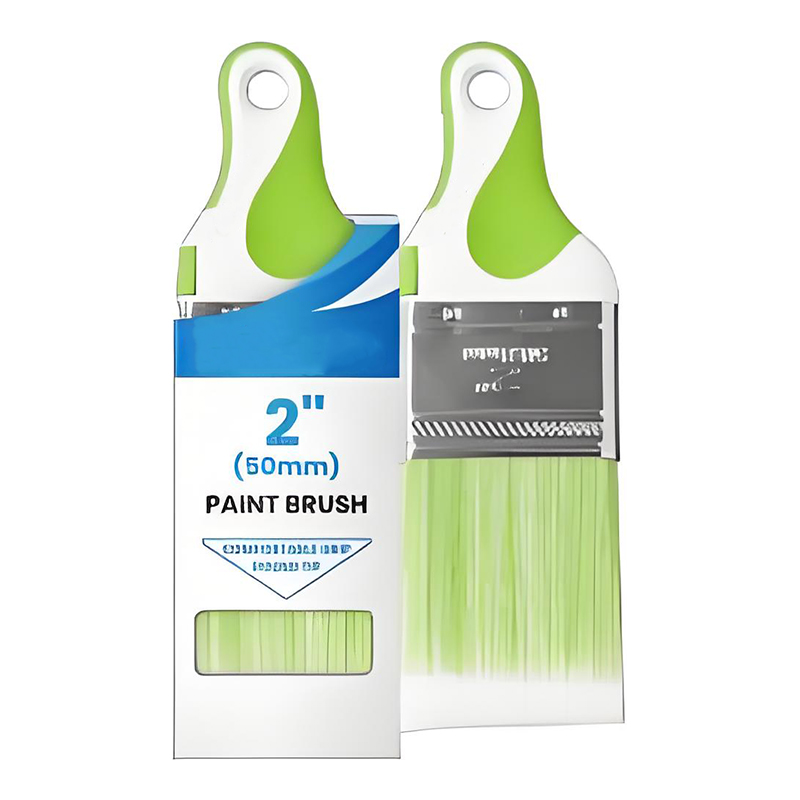
Despite the clear advantages of a Paint Roller Cover for large flat areas, a brush remains useful for cutting in edges where the ceiling meets the wall, around light fixtures, and in tight corners that a roller cannot reach. Most experienced painters use a brush for these small detail areas first, then switch to a roller loaded with a Paint Roller Cover to fill in the remaining open ceiling space efficiently.
Combining Both Tools Effectively
The most efficient ceiling painting workflow typically involves cutting in a two to three inch border around the ceiling's perimeter with a brush, then immediately rolling the main surface with a Paint Roller Cover while the cut-in edges are still wet. This blending technique prevents visible lines between brushed and rolled sections and takes advantage of the strengths of both tools.
Understanding Fabric Construction and Its Impact on Performance
The performance differences between roller covers largely come down to how the fabric sleeve is constructed. A fabric paint roller made from woven material tends to hold more paint and release it more slowly, making it ideal for thicker paints and larger, more absorbent surfaces such as textured plaster or rough masonry. A knit fabric paint roller, on the other hand, has a softer, smoother nap that tends to produce a finer, more polished finish, which is often preferred for ceilings, trim, and cabinetry where visible texture is undesirable.
Matching Fabric Type to Paint Type
Thicker paints, such as ceiling-specific flat paints designed to resist spatter, generally perform best with a woven fabric paint roller because the denser fiber structure can carry a heavier paint load without collapsing. Thinner paints and primers, by comparison, work well with a knit or foam Paint Roller Cover, since these materials distribute lighter liquids more evenly without over-saturating any single area of the ceiling.
Practical Tips for Getting the Best Results
- Select a Paint Roller Cover with a nap length matched to your ceiling's texture for optimal paint transfer.
- Choose a low nap paint roller for smooth ceilings or glossier finishes where a fine, subtle texture is desired.
- Consider a woven fabric paint roller for thicker paints or ceilings with more surface texture that require greater paint capacity.
- Roll in overlapping W or M patterns to distribute paint evenly before smoothing out final strokes in one direction.
- Maintain a wet edge by working in manageable sections of about 4x4 feet to prevent visible seams.
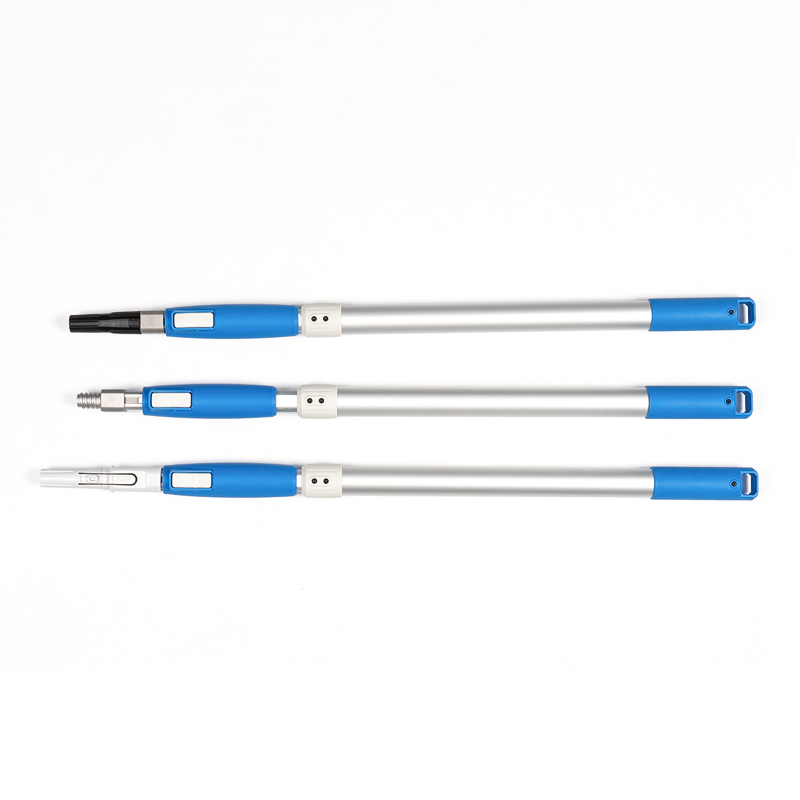
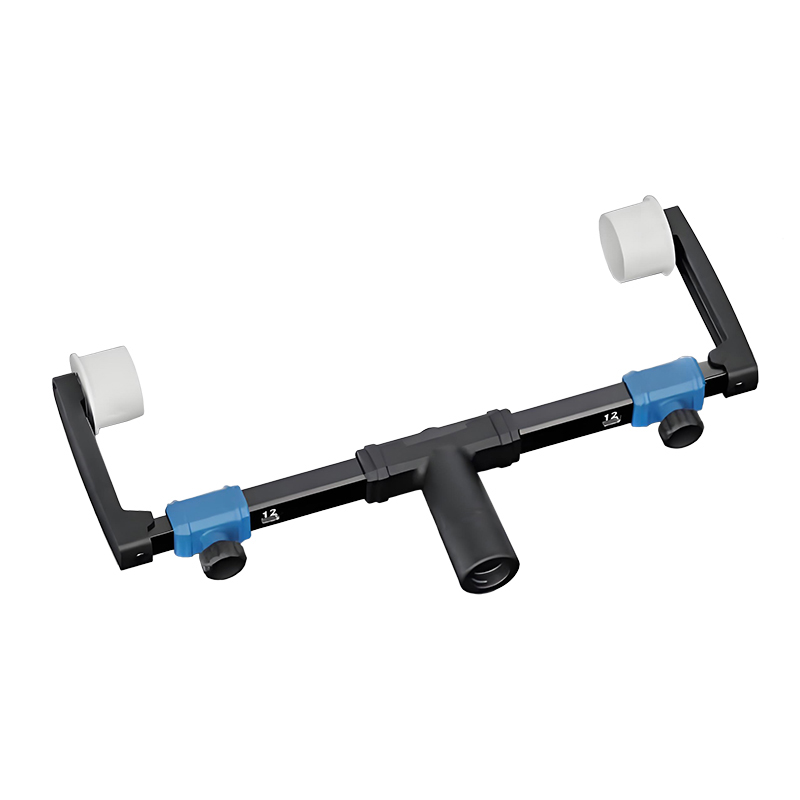
- Use an extension pole with your roller frame to reach the entire ceiling without constant ladder repositioning.
- Clean and store your Paint Roller Cover properly after use to extend its lifespan for future projects.
Final Takeaway
For large flat ceilings, a Paint Roller Cover consistently outperforms a paint brush in speed, paint capacity, finish uniformity, and overall physical comfort. Whether you choose a low nap paint roller for a smooth, refined finish or a heavier-duty fabric paint roller for thicker coatings and textured surfaces, the roller remains the superior tool for covering the bulk of any ceiling. While a brush still plays an important role in cutting in edges and reaching tight corners, the main body of any ceiling should be painted with a properly selected Paint Roller Cover to achieve professional-quality results in significantly less time.