English
 Español

Introduction to Paint Trays
Understanding What a Paint Tray Is
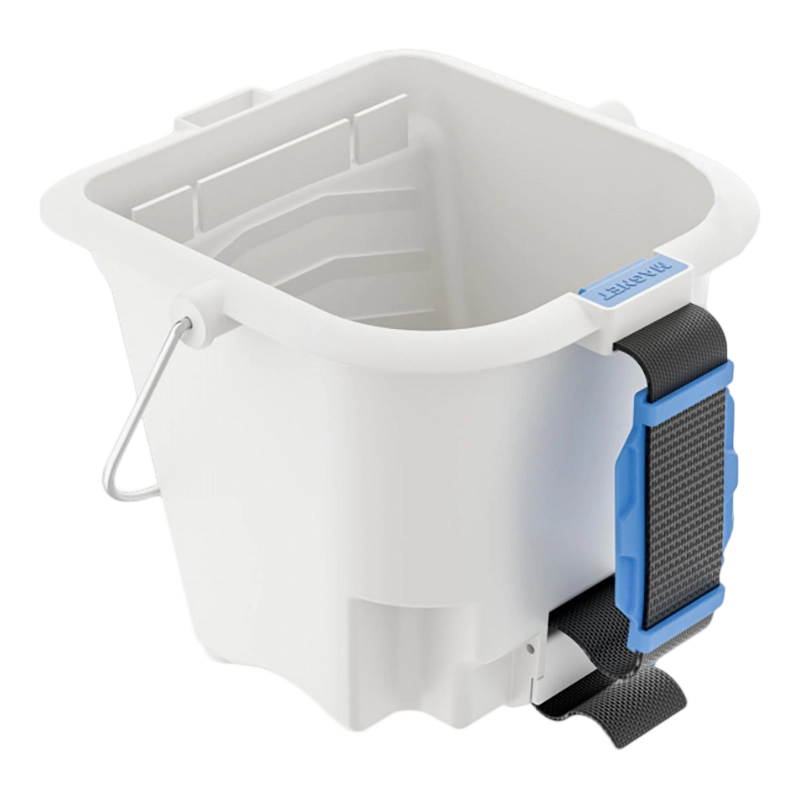
A paint tray is an essential tool used in painting projects to hold and distribute paint evenly for rollers or brushes. It typically consists of two main sections — a deep well that holds the paint and a shallow, textured area where excess paint is removed from the roller. This design allows painters to load the right amount of paint without dripping or over-application. Whether used for small home renovations or large commercial tasks, the paint tray plays a significant role in improving efficiency and reducing mess during the painting process. Its structure promotes consistent coating, helps maintain clean workspaces, and minimizes paint waste.
The Purpose of a Paint Tray in Painting Tasks
The primary purpose of a paint tray is to facilitate even paint application and efficient paint management. By using a paint tray, the painter can evenly load the roller with paint and remove excess paint to prevent streaks or runs. This tool serves as a temporary container that keeps paint accessible while maintaining a controlled amount for application. The sloped area of the tray helps distribute paint evenly on the roller, ensuring that surfaces receive smooth and uniform coverage. It also reduces the frequency of dipping into large paint buckets, saving time and improving overall productivity. Additionally, paint trays are designed to be portable and easy to move around, allowing painters to work in multiple areas conveniently.
Different Types of Paint Trays
Paint trays are available in different materials and designs, catering to a variety of needs and preferences. The most common types are metal paint trays, plastic paint trays, and paint trays with disposable liners. Metal paint trays are sturdy and often used for professional work. They can hold larger volumes of paint and are compatible with different types of rollers. Plastic paint trays are lightweight and ideal for smaller or DIY projects, offering good portability and easy cleaning. Paint trays with disposable liners are designed for convenience, allowing users to replace the liner instead of washing the entire tray after each use. The following table summarizes the differences between these types:
|
Type |
Material |
Main Advantages |
Typical Use |
|
Metal Paint Tray |
Steel or Aluminum |
Durable, stable, suitable for repeated use |
Professional or commercial painting |
|
Plastic Paint Tray |
Polypropylene or similar |
Lightweight, affordable, easy to carry |
DIY or small home projects |
|
Paint Tray with Liners |
Plastic or paper inserts |
Convenient cleaning, time-saving |
Fast-paced or multi-color jobs |
How to Use a Paint Tray Effectively
Using a paint tray correctly helps achieve better painting results and minimizes waste. First, pour a moderate amount of paint into the well area of the tray — enough to cover about one-third of the roller surface when dipped. Next, roll the roller back and forth across the ridged section to remove excess paint and ensure even coating. When applying the paint to the wall, use consistent pressure and direction for smooth coverage. Refill the tray as necessary, but avoid overfilling, as this can cause splashes and uneven application. If working with multiple colors, it is advisable to use paint tray liners or separate trays to prevent color mixing. Proper use of the tray ensures uniform results and helps maintain a clean working environment.
Advantages of Using Paint Tray Liners
Paint tray liners are practical accessories that enhance the usability and cleanliness of the tray. These liners fit snugly inside the tray and can be removed or replaced after each painting session. The main advantage is the reduction in cleaning time, as painters can simply discard the used liner instead of washing the entire tray. Liners are available in plastic, foil, or biodegradable materials, offering options for different preferences and environmental considerations. They also extend the lifespan of the paint tray by preventing direct contact with harsh paint chemicals. Using disposable liners is especially beneficial in projects involving multiple paint types, as it simplifies color changes and keeps the working process efficient.
Comparing Metal and Plastic Paint Trays
When choosing between a metal paint tray and a plastic paint tray, several factors such as durability, weight, and ease of maintenance should be considered. Metal trays are known for their long lifespan and resistance to bending, making them ideal for heavy-duty use. However, they may rust if not properly cleaned or dried. Plastic trays, on the other hand, are lighter and resistant to corrosion, but they may warp if exposed to high temperatures or heavy pressure. Both materials have unique advantages depending on the type of project. Metal trays suit professional painters who need reliability for repeated use, while plastic trays are suitable for casual or short-term tasks. The comparison below provides a clear overview:
|
Feature |
Metal Paint Tray |
Plastic Paint Tray |
|
Durability |
High, suitable for long-term use |
Moderate, may scratch or crack |
|
Weight |
Heavier and stable |
Light and portable |
|
Cleaning |
Requires thorough washing and drying |
Easy to clean or replace |
|
Cost |
Higher initial investment |
Affordable for everyday use |
Maintaining and Cleaning a Paint Tray
Proper maintenance and cleaning of a paint tray ensure it remains functional and reusable for a long time. After finishing the painting process, any leftover paint should be poured back into the original container if uncontaminated. Then, the tray should be rinsed with warm water (for water-based paints) or a suitable solvent (for oil-based paints). Using a brush or sponge can help remove dried paint from the ridges and corners. For trays with liners, simply remove and discard the liner, minimizing cleaning effort. Allowing the tray to dry completely before storage prevents rust or mold growth, especially in metal trays. Regular maintenance not only extends the life of the tool but also helps maintain hygiene and paint quality during future use.
DIY Paint Tray Alternatives
For quick projects or when a commercial paint tray is unavailable, several DIY options can serve as effective substitutes. Common alternatives include using aluminum foil-lined baking pans, plastic containers, or cardboard boxes covered with plastic film. These makeshift trays can hold paint temporarily and offer sufficient space for roller loading. However, DIY paint trays should be used with caution to avoid spills or uneven surfaces that may affect paint distribution. While they are convenient for small-scale or one-time jobs, professional painters often prefer dedicated trays for better control and safety. Creating a DIY paint tray is a practical solution for emergency situations, offering flexibility without compromising the painting task’s progress.
Choosing the Best Paint Tray for Your Needs
Selecting the best paint tray depends on factors such as the type of paint, surface size, and frequency of use. For large-scale or professional painting, a metal paint tray offers strength and reliability. For casual or DIY users, a plastic tray with disposable liners is more convenient and easier to handle. The size of the roller also determines the tray size — smaller rollers require compact trays, while larger rollers need wider trays for efficient paint loading. It is also advisable to choose trays with non-slip bases or handles to ensure safety and stability during painting. Considering these aspects helps achieve better performance and makes the painting process smoother and more organized.
Types of Paint Trays
Standard Plastic Paint Trays
Standard plastic paint trays are among the most commonly used types of paint trays due to their lightweight structure and affordable cost. These trays are typically made of durable plastic materials such as polypropylene, which can resist paint corrosion and provide a smooth surface for roller use. The design usually includes a deep well for holding paint and a ridged area to help distribute the paint evenly on the roller. Plastic paint trays are available in various sizes to suit different roller widths and project scales. They are especially useful for DIY enthusiasts, homeowners, and small-scale painters who prioritize convenience and portability. These trays are easy to handle, clean, and store, making them a reliable option for both occasional and frequent painting activities.
However, plastic paint trays also have some limitations. While they are lightweight and cost-effective, they may not be as sturdy as metal trays, especially when handling large volumes of paint. In addition, prolonged exposure to certain solvents or direct sunlight can cause warping or cracking over time. To extend their lifespan, users can pair them with disposable liners, which prevent paint from directly contacting the tray surface. Despite these considerations, plastic paint trays remain a practical choice for many painting scenarios due to their combination of accessibility and efficiency.
|
Feature |
Advantages |
Disadvantages |
|
Material |
Lightweight and resistant to corrosion |
May warp under heavy use or high temperatures |
|
Cost |
Affordable and easy to replace |
Less durable compared to metal trays |
|
Maintenance |
Simple cleaning with water or liners |
Can stain after long-term use |
Metal Paint Trays
Metal paint trays are designed for strength, stability, and long-term use. Typically made from steel or aluminum, these trays are ideal for professional painters or large-scale projects that demand durability. Their rigid construction allows them to hold more paint without bending, making them suitable for extended use. The metal surface provides a firm base for rolling paint evenly and efficiently. Many metal paint trays are also designed with rust-resistant coatings to enhance longevity, particularly when cleaned and dried properly after each use. They can accommodate various paint types, including oil-based and water-based paints, without being easily damaged by solvents.
The main advantage of metal paint trays lies in their durability and reliability under continuous use. They maintain their shape and structure even when used repeatedly, which makes them a popular choice among professionals. However, they are heavier than plastic trays and may require more effort during transport and cleaning. If not properly maintained, they can also be prone to rusting or corrosion. To minimize maintenance efforts, many users place disposable liners inside metal trays, combining the strength of metal with the convenience of easy cleanup. Overall, metal paint trays are well-suited for demanding painting environments where performance consistency is important.
|
Feature |
Advantages |
Disadvantages |
|
Durability |
Highly durable, suitable for repeated use |
Can rust if not dried properly |
|
Capacity |
Can hold larger paint quantities |
Heavier to carry and handle |
|
Compatibility |
Works with all paint types |
May require liners for easy cleaning |
Paint Trays with Liners
Paint trays with liners provide an efficient and practical solution for painters who value convenience and cleanliness. Liners can be either disposable or reusable, designed to fit snugly inside the tray. Disposable liners are typically made of plastic or foil and can be discarded after each use, eliminating the need for extensive cleaning. Reusable liners, often made of thicker plastic, can be washed and used multiple times. These liners serve as a protective barrier that prevents paint from contacting the tray directly, thus extending the lifespan of the tray and reducing maintenance time. Using liners is especially helpful in multi-color painting projects, as switching between colors becomes faster and cleaner.
The key benefit of using paint tray liners is time efficiency. They save significant effort during cleanup and help maintain a professional work environment. Painters working on large projects or tight schedules can simply replace the liner and continue painting without delay. This feature also helps reduce paint waste, as leftover paint can easily be poured back into the container from the liner. Additionally, liners make it possible to use the same tray for different paint types, such as latex and enamel, without risk of contamination. Whether in a metal or plastic tray, liners contribute to a more organized and streamlined workflow, making them a valuable addition to modern painting tools.
Paint Tray Kits
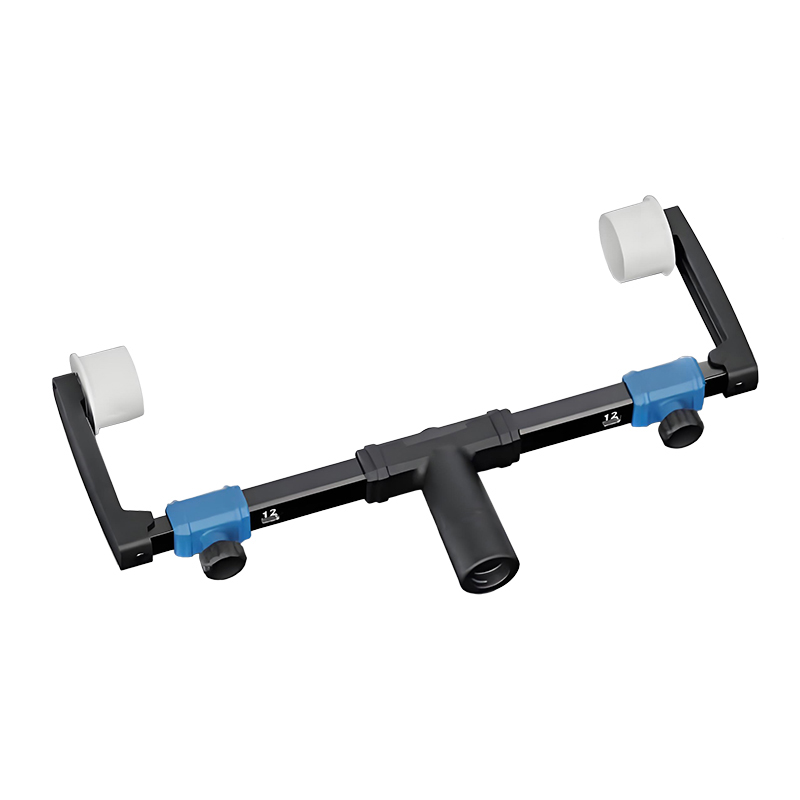
Paint tray kits are comprehensive sets that typically include a tray, roller frame, roller cover, and sometimes brushes or extension poles. These kits are designed to provide everything needed for a basic painting project in one convenient package. The tray included in these kits is often made of plastic and sized to match the roller width. Paint tray kits are popular among beginners and DIY users who prefer a ready-to-use set instead of purchasing individual items. They simplify the painting process by ensuring that all tools are compatible and readily available for use.
One of the main advantages of paint tray kits is their convenience and cost efficiency. By combining essential tools in a single package, users can start painting immediately without needing additional purchases. These kits are also useful for small renovation projects, touch-ups, or first-time painters learning basic techniques. The inclusion of a matching roller and tray ensures uniform paint distribution, which helps achieve consistent results. Moreover, many paint tray kits are designed to be reusable, allowing users to clean and store them for future projects. For those who prioritize simplicity and functionality, paint tray kits offer an accessible way to complete painting tasks efficiently.
|
Component |
Function |
Benefit |
|
Paint Tray |
Holds and distributes paint evenly |
Ensures smooth roller loading |
|
Roller Frame |
Supports the roller cover |
Provides control and stability |
|
Roller Cover |
Applies paint to surfaces |
Delivers even coverage |
|
Brush |
Used for trimming or edges |
Improves accuracy in detail work |
Specialty Paint Trays
Specialty paint trays are designed for specific tasks or advanced users who require greater precision and flexibility. One common type is the paint cup, a compact container that is ideal for small-scale painting jobs or touch-up work. Paint cups are easy to handle, portable, and perfect for quick projects where a full-size tray is unnecessary. They are particularly useful for cutting-in edges or painting small furniture items. Another specialized option is the partitioned paint tray, which allows painters to hold multiple paint colors simultaneously. This design is beneficial for artists, decorators, or anyone working on projects that involve color transitions or detailed patterns.
These specialty trays enhance efficiency by addressing unique painting needs that standard trays may not accommodate. For example, multi-compartment trays prevent color mixing while keeping all necessary paints within reach. Some even include features like built-in brushes or detachable sections for convenient transport. While these trays are typically more expensive than standard models, their functionality justifies the cost for users who frequently handle complex or artistic painting jobs. Specialty paint trays demonstrate how innovation in tool design can improve workflow and support creative flexibility across a wide range of applications.
How to Use a Paint Tray Effectively
Preparing the Paint Tray
Proper preparation of a paint tray is the foundation of an efficient painting process. Before pouring any paint, it is important to select a tray that matches the size of your roller or brush. Standard plastic paint trays are suitable for small and medium projects, while metal paint trays are more durable for extensive or professional use. For an even cleaner experience, many painters prefer using paint trays with disposable liners, which eliminate the need for scrubbing and help prevent color contamination between different paints. Placing the tray on a stable, level surface also helps prevent accidental spills and ensures consistent paint distribution.
Once the correct tray is selected, the next step is to prepare the paint itself. Stirring the paint thoroughly ensures an even texture and consistent color. The paint should then be poured slowly into the deep well of the tray, filling it to about one-third of its capacity. Overfilling may lead to splashes or uneven roller loading. A properly filled tray allows for effective rolling without excess waste. If using a paint tray liner, ensure it is securely fitted inside the tray to avoid slipping during use. This setup not only saves time during cleanup but also extends the tray’s lifespan, especially when working with multiple coats or different colors.
|
Preparation Step |
Purpose |
Best Practice |
|
Choose tray type |
Match tray to project size and roller width |
Use plastic for light work, metal for heavy-duty use |
|
Attach liner |
Protects tray surface from paint |
Ensure tight fit before pouring paint |
|
Pour paint |
Provides paint reservoir for roller loading |
Fill tray to one-third depth |
Loading Paint onto a Roller or Brush
After preparing the paint tray, the next important step is loading the roller or brush correctly. This step determines how evenly the paint will be applied to the surface. Begin by gently dipping the roller into the paint well, allowing only the lower portion of the roller cover to absorb paint. Rolling it back and forth across the ridged section of the tray helps distribute the paint evenly and removes any excess. This prevents dripping and helps achieve a smoother coating. When using a brush, dip only one-third of the bristles into the paint and wipe the excess against the tray edge for better control.
Consistency in paint loading helps avoid uneven coverage or streaks. For larger surfaces, roll the roller several times across the tray’s ribbed section to ensure it is evenly coated before applying it to the wall or surface. Avoid overloading the roller, as it can cause paint runs and wasted material. The goal is to achieve a balanced saturation that allows the roller to glide smoothly without dripping. For paint tray liners, the process remains the same, with the added benefit of faster cleanup. Ensuring that the roller or brush is evenly coated with paint contributes to a more professional-looking finish and helps maintain efficiency throughout the project.
|
Tool |
Loading Technique |
Outcome |
|
Roller |
Dip halfway and roll on ridged area |
Even paint coverage without drips |
|
Brush |
Dip one-third of bristles |
Controlled paint application |
|
Tray with liner |
Use as standard tray |
Quick cleanup and reusable tray |
Techniques for Even Paint Distribution
Even paint distribution is essential for achieving a smooth, consistent finish. When using a paint tray, the ridged area plays a key role in balancing paint on the roller. Rolling the roller several times across this textured section removes excess paint and helps distribute it uniformly. Once applied to the surface, it is recommended to work in small sections using a “W” or “M” pattern. This allows the paint to spread evenly before blending the strokes together. As the roller begins to lose paint, return it to the tray for another even coat, repeating the same motion to maintain consistency.
To ensure balanced coverage, monitor the amount of paint left in the tray and refill as needed. A shallow amount of paint can lead to dry rolling, which causes uneven texture, while too much paint increases the risk of drips. The right balance ensures optimal roller performance. The use of liners can also assist in maintaining even paint levels, as they make it easy to gauge how much paint remains in the tray. For DIY paint projects, using a smaller roller and shallower tray can help control the amount of paint used. Whether painting walls, furniture, or trim, consistent loading and application create a cleaner result and help reduce material waste.
Avoiding Common Mistakes
Even experienced painters can encounter issues when using a paint tray if certain details are overlooked. One common mistake is overfilling the tray. Excess paint not only leads to waste but can also cause splashes and uneven loading. Another frequent error is neglecting to use the ridged area of the tray effectively. Simply dipping the roller without rolling it on the ridges results in too much paint being applied to the roller, leading to drips and streaks on the surface. For consistent results, it is important to use the tray’s full design—both the paint well and the ridged section—together.
Neglecting cleanup after each session can also shorten the lifespan of the tray, especially if paint residue is left to dry. For this reason, many professionals prefer trays with disposable liners, which simplify cleaning and reduce the need for scrubbing. Plastic trays can be washed with warm water and mild soap, while metal trays should be dried thoroughly to prevent rust. Another common mistake is using an incompatible roller size for the tray, which can cause uneven loading or spills. Ensuring the roller matches the tray width allows for efficient and mess-free operation. Paying attention to these small but important details can greatly improve painting efficiency and quality.
|
Common Mistake |
Consequence |
Solution |
|
Overfilling the tray |
Paint spillage and uneven roller loading |
Fill tray to one-third of its capacity |
|
Skipping ridge area |
Dripping and streaking on surfaces |
Roll evenly on ridged section |
|
Improper cleanup |
Shorter tray lifespan |
Use liners or clean after each use |
|
Wrong roller size |
Inefficient paint loading |
Match roller width to tray size |
Using Paint Tray Liners for Efficiency
Incorporating paint tray liners into the workflow enhances both efficiency and cleanliness. Liners prevent paint from contacting the tray’s surface, making cleanup quick and simple. Disposable liners can be removed and discarded after use, while reusable liners can be rinsed and stored for future projects. This not only reduces waste but also saves time during transitions between different paint colors or finishes. Using liners is particularly beneficial when working with multiple paint types, such as latex and oil-based paints, as it prevents cross-contamination. Furthermore, they help preserve the condition of metal and plastic trays, extending their usability and reducing long-term costs.
For professional painters, using liners ensures that trays remain in ready-to-use condition at all times. In high-demand environments such as commercial painting or large-scale renovation projects, time spent on cleaning can be redirected toward productivity. Liners also assist in maintaining consistent paint depth within the tray, which is useful for achieving even roller coverage. The combination of a durable tray and reliable liner represents one of the most practical setups for modern painting, balancing convenience with sustainability. Whether for DIY home projects or professional contracts, paint tray liners simplify the process and support a more organized, efficient workflow.
Choosing the Right Paint Tray
Consider the Paint Type
When selecting the right paint tray, one of the first considerations is the type of paint being used. Paint trays are designed to accommodate different paint formulations, such as latex or oil-based paints, which differ in viscosity and drying behavior. Latex paints are water-based and typically used for interior walls, ceilings, and large surfaces. For this type of paint, plastic paint trays are generally suitable due to their resistance to water and ease of cleaning. On the other hand, oil-based paints contain solvents that can damage certain plastics. In these cases, a metal paint tray is preferred because it resists solvent corrosion and provides stability when handling thicker paints. Using the right material prevents unnecessary wear on the tray and ensures a smoother painting experience. Choosing a tray compatible with your paint type also helps achieve a consistent application without compromising the paint’s texture or finish.
The table below provides a simple comparison of recommended tray types based on paint formulation:
|
Paint Type |
Recommended Tray Material |
Cleaning Method |
|
Latex (Water-Based) |
Plastic Paint Tray or Tray with Liners |
Rinse with water and mild soap |
|
Oil-Based |
Metal Paint Tray |
Clean with mineral spirits or paint thinner |
|
Specialty Coatings (Epoxy, Enamel) |
Metal or Heavy-Duty Plastic Tray |
Follow manufacturer’s solvent recommendation |
Size and Capacity
The size and capacity of a paint tray are crucial factors that influence painting efficiency and comfort. Smaller paint trays are suitable for touch-ups or small projects, while larger trays are ideal for covering expansive surfaces such as walls and ceilings. A tray that is too small may require frequent refilling, interrupting workflow and increasing cleanup time. Conversely, an oversized tray may lead to unnecessary paint waste and difficulty in handling. Selecting a tray that matches the size of the roller or brush ensures optimal paint coverage and reduces spillage. In general, standard paint trays measure around 9 to 11 inches in width, suitable for most medium-sized rollers, whereas mini trays of around 6 inches are designed for trim work or narrow areas.
Another key consideration is avoiding overfilling the tray. The paint should only cover the lower well section of the tray, leaving the ribbed rolling area dry for evenly distributing paint on the roller. Overfilling can cause drips and uneven coating on the roller surface, leading to streaky finishes. Maintaining a consistent paint level in the tray ensures smoother application and minimizes waste during the painting process.
|
Project Type |
Recommended Tray Width |
Capacity Range |
|
Touch-ups or Trim Painting |
6 inches |
Up to 0.5 liters |
|
Walls or Ceilings |
9–11 inches |
0.8–1.5 liters |
|
Large Industrial Surfaces |
12 inches or more |
Over 2 liters |
Material and Durability
The material composition of a paint tray determines its durability, ease of maintenance, and overall lifespan. Plastic paint trays are lightweight, affordable, and widely available. They are particularly useful for latex paints and can be paired with disposable paint tray liners to extend usability. However, they may not withstand prolonged contact with solvents found in oil-based paints. Metal paint trays, often made of galvanized steel, offer a sturdier alternative for heavy-duty painting and long-term use. They are resistant to bending and better suited for professional environments where multiple projects are handled regularly. Additionally, hybrid paint trays made from composite materials provide a balance of strength and affordability, making them suitable for both DIY users and contractors.
Durability also depends on the frequency of use and maintenance practices. Regular cleaning after each session prevents paint buildup that can affect tray performance. For professionals who handle frequent painting tasks, investing in a durable metal paint tray or a tray compatible with reusable liners can reduce replacement costs over time. The choice of material should align with both the type of paint and the user’s painting frequency to ensure longevity and cost-effectiveness.
|
Tray Material |
Advantages |
Limitations |
|
Plastic |
Lightweight, inexpensive, suitable for latex paints |
Can be damaged by solvents, less durable under heavy use |
|
Metal |
Strong, solvent-resistant, ideal for repeated use |
Heavier, may rust if not properly cleaned |
|
Composite |
Durable, balanced weight, multipurpose |
Higher cost compared to standard plastic trays |
Tray Stability
Tray stability is an important yet often overlooked factor in choosing the right paint tray. A stable tray ensures safety, reduces spillage, and improves control during painting. Many high-quality paint trays feature a non-slip base, often made of rubber or textured plastic, to prevent movement on smooth surfaces. This feature is particularly valuable when working on ladders or uneven flooring. A sturdy construction also contributes to balance when the tray is filled with paint, minimizing the risk of tipping or sliding during roller loading.
In professional and DIY settings alike, tray stability can affect overall painting efficiency. For example, a wobbling tray can cause uneven paint pickup, leading to roller marks or splatters on the wall. Some modern trays also incorporate handle grips or support rails that allow painters to carry or rest the tray securely while working at different heights. These design elements contribute to safer handling and a more controlled painting experience. Whether made from metal or reinforced plastic, selecting a tray with a robust base and ergonomic structure ensures reliable performance throughout various projects.
Below is a comparison chart highlighting common stability features found in different paint tray models:
|
Feature |
Benefit |
Typical Tray Type |
|
Non-slip Base |
Prevents tray movement on smooth surfaces |
Plastic or Composite Paint Trays |
|
Reinforced Edges |
Improves structural strength and prevents bending |
Metal Paint Trays |
|
Support Rails or Handle Grips |
Enhances portability and safety during painting |
Professional or Industrial Paint Trays |
Practical Considerations for Selection
When choosing the best paint tray, it is beneficial to consider how frequently it will be used, the type of paint, and the cleaning routine. For occasional home use, a standard plastic paint tray with disposable liners may suffice, offering convenience and minimal cleanup. For contractors or regular painters, metal trays or those with reusable liners provide a longer lifespan and more consistent performance. The size of the roller should also be matched to the tray to prevent paint overflow and ensure uniform paint distribution.
In DIY painting, efficiency and organization matter just as much as the quality of tools. Therefore, having multiple trays for different colors or finishes can streamline workflow and minimize mixing errors. Paint trays with built-in pouring spouts or grooves are especially practical for those who frequently change paints or perform touch-ups. Understanding these details allows users to make informed decisions and select a paint tray that supports their specific project needs while maintaining ease of use and efficiency.
Cleaning and Maintaining Paint Trays
Cleaning Different Types of Paint Trays
Proper cleaning is essential for maintaining paint trays and ensuring consistent performance in future painting projects. Different types of paint trays require specific cleaning methods depending on their material and the type of paint used. Plastic paint trays, for example, are commonly used with latex paints, which are water-based and easier to clean. After finishing a painting session, excess paint should be poured back into the paint can, and the tray rinsed under warm running water. A mild detergent and a soft brush can help remove any remaining paint residues, especially from the ribbed rolling area. Since plastic trays can scratch easily, it is important to avoid using abrasive cleaning tools that could damage the surface.
Metal paint trays, often made of galvanized steel or aluminum, are more resistant to harsh solvents and ideal for oil-based paints. Cleaning metal trays requires additional care due to the chemical nature of oil-based paints, which do not dissolve in water. Mineral spirits or paint thinner should be used to remove paint effectively. The tray can be soaked for a few minutes, allowing the solvent to soften the paint layer before wiping it clean with a cloth. Once cleaned, the tray should be rinsed thoroughly with warm water and dried to prevent corrosion. Proper drying is especially important for metal trays, as even small traces of moisture can lead to rust over time.
For users who prefer quick cleanup, using paint tray liners is an effective solution. Disposable liners can be removed and discarded after painting, leaving the tray beneath clean and ready for the next use. Reusable liners made from durable plastic or silicone can also be washed and stored for future projects, offering both convenience and sustainability. Regardless of tray type, prompt cleaning after use prevents dried paint buildup, which can affect roller performance and reduce tray longevity.
|
Tray Type |
Paint Type |
Recommended Cleaning Method |
Notes |
|
Plastic Paint Tray |
Latex (Water-Based) |
Warm water, mild soap, soft brush |
Do not use harsh scrubbing tools |
|
Metal Paint Tray |
Oil-Based |
Mineral spirits or paint thinner |
Rinse and dry to prevent rust |
|
Tray with Disposable Liners |
All Types |
Remove and discard liner |
Minimal cleaning required |
|
Tray with Reusable Liners |
Latex or Oil-Based |
Clean liner according to material |
Ensure full drying before reuse |
Proper Storage Techniques
Storing paint trays correctly helps maintain their condition and extends their usable life. After cleaning, trays should be thoroughly dried to prevent mold growth, rust, or warping. A dry and well-ventilated storage space is ideal, especially for metal paint trays that are prone to corrosion. If the tray is still slightly damp, it should be left to air dry before being placed in storage. Stacking trays with liners or other painting tools should be done carefully to avoid deformation or scratches. Using separators such as cardboard sheets between trays can help prevent surface damage.
Plastic paint trays are lightweight and can easily warp if exposed to high temperatures or heavy pressure. They should be stored flat and away from direct sunlight or heat sources. Metal paint trays, although sturdier, can still dent if mishandled. Hanging trays on wall hooks or storing them on dedicated shelves helps maintain their shape and keeps them easily accessible for future projects. For DIY enthusiasts or professional painters, organizing paint trays by size or type also contributes to better workflow during painting sessions. Clean trays should always be separated from other tools that might have residual paint or dust to ensure cleanliness when next used.
Some users prefer storing their paint trays pre-lined with disposable liners for quick setup in future projects. This method can save preparation time and reduce mess when painting multiple rooms or surfaces. When using reusable liners, ensure they are completely dry before stacking or sealing them in containers to avoid moisture buildup, which could lead to odor or mildew. Proper storage not only keeps paint trays in good condition but also contributes to a more organized and efficient workspace.
|
Storage Method |
Best For |
Precaution |
|
Flat Storage on Shelf |
Plastic Paint Trays |
Avoid heavy stacking or heat exposure |
|
Hanging on Wall Hooks |
Metal Paint Trays |
Ensure full drying before hanging |
|
Stacking with Liners |
Reusable or Disposable Tray Liners |
Insert separators to prevent sticking |
|
Closed Container Storage |
DIY or Occasional Painters |
Check for dryness before sealing |
Extending the Life of Your Paint Trays
Proper care and maintenance practices significantly extend the life of paint trays, reducing the need for frequent replacements. One of the most effective ways to prolong tray life is to use paint tray liners, which prevent direct contact between the paint and tray surface. Liners can be either disposable or reusable depending on the user’s preference and project frequency. Using liners also minimizes cleaning time and protects the tray from scratches, dents, and paint residue buildup.
Regular inspection of paint trays is another important maintenance step. Over time, paint trays may develop cracks, rust spots, or dents that affect their stability. For plastic trays, cracks can allow paint to leak or collect in uneven surfaces, leading to inconsistent roller loading. For metal trays, rust should be addressed promptly by sanding and applying a protective coating if needed. Ensuring that trays remain smooth and level enhances both safety and painting efficiency. Maintaining clean and stable trays contributes to better paint distribution and helps achieve consistent coverage across surfaces.
Proper handling during painting sessions also influences tray durability. Avoid dragging trays across rough floors or placing them on unstable surfaces where they might tip or fall. When working with heavy-duty paints or solvents, select trays specifically rated for such use to prevent premature wear. After each project, thoroughly clean and inspect the tray before storing it. This routine helps identify early signs of wear and allows for quick repairs or replacements before damage worsens.
Environmental factors such as humidity and temperature can also impact tray longevity. High humidity can accelerate rust formation on metal trays and encourage mold growth on poorly dried plastic ones. Therefore, maintaining a controlled environment for storage is beneficial, especially for professionals with multiple painting tools. Using a silica gel pack or moisture absorber near stored trays can help prevent moisture accumulation in closed storage areas.
|
Maintenance Action |
Purpose |
Frequency |
|
Use Paint Tray Liners |
Prevent paint residue and extend tray lifespan |
Each painting session |
|
Clean Immediately After Use |
Avoid dried paint buildup |
After every use |
|
Inspect for Damage |
Identify cracks or rust early |
Monthly or before large projects |
|
Store in Dry Environment |
Prevent rust and mold |
Continuous |
Practical Tips for Maintaining Paint Tray Quality
For professional painters and DIY users alike, maintaining paint tray quality is not only about cleanliness but also about efficiency and readiness for future projects. Covering the paint tray with plastic wrap between painting sessions can prevent paint from drying too quickly, especially during multi-day projects. When using disposable liners, consider double-lining the tray for heavy-duty paints to prevent leaks. In cases where paint accidentally dries in the tray, soaking it in warm water or solvent overnight can help loosen the residue for easier removal without damaging the tray surface.
Labeling trays according to paint color or type can help avoid cross-contamination between different paint formulations, particularly when using oil and latex paints in separate projects. It also helps maintain consistent results across multiple paint applications. Maintaining a small cleaning kit—consisting of sponges, brushes, and mild cleaners—ensures that the cleaning process is convenient and efficient. By integrating these small habits into regular painting routines, users can preserve their paint trays in excellent working condition for a long time while maintaining a clean and organized workspace.