 English
 Español

The Paint Roller Cover is the clearly better tool for painting large flat ceilings because it covers far more surface area per stroke, holds significantly more paint, and produces a more uniform, streak-free finish than a paint brush. A standard 9-inch Paint Roller Cover can cover roughly 100 to 150 square feet in the...
Read More Rubber-Coated Handle Paint Brush Suppliers
-
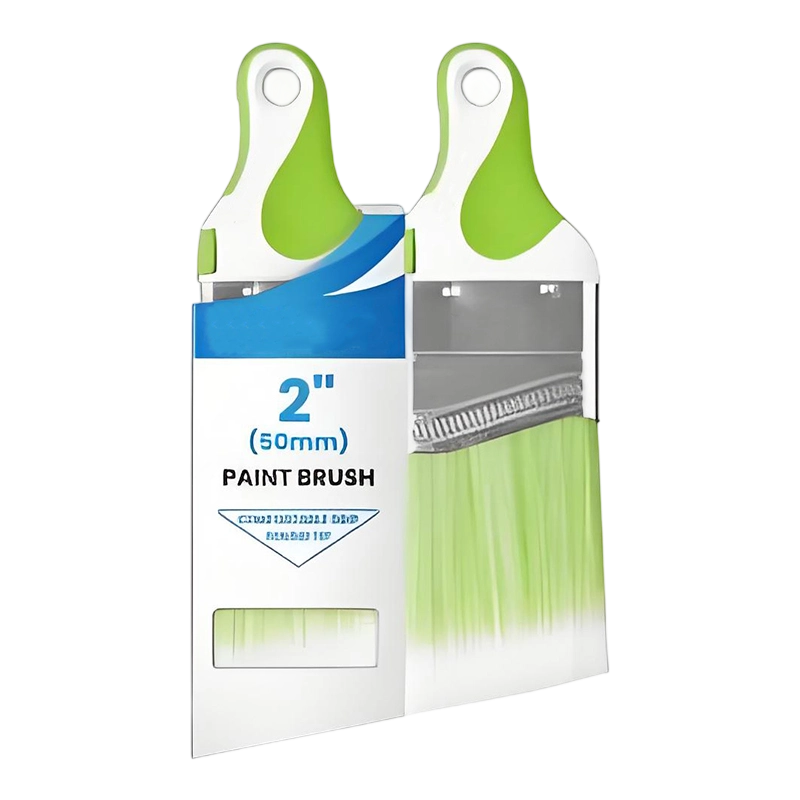
Angled Short Handle Paint BrushThe angled short handle paint brush features bristles at an angle between 30° and 45°, which makes p...
-
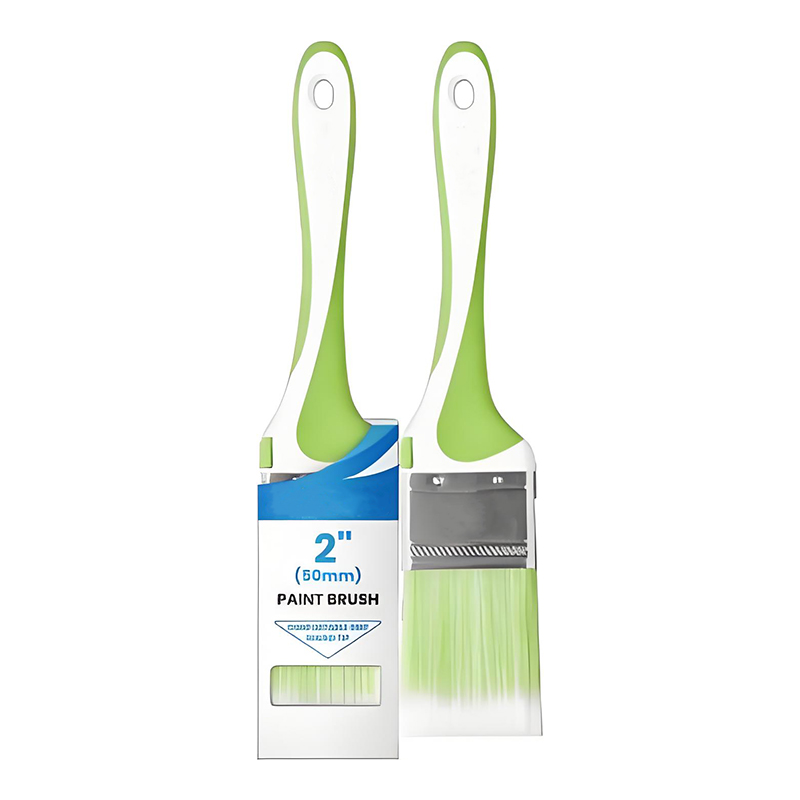
Flat Rubber Coated Handle Paint BrushThe flat rubber coated handle paint brush has a user-friendly design that combines the sturdiness of...
-
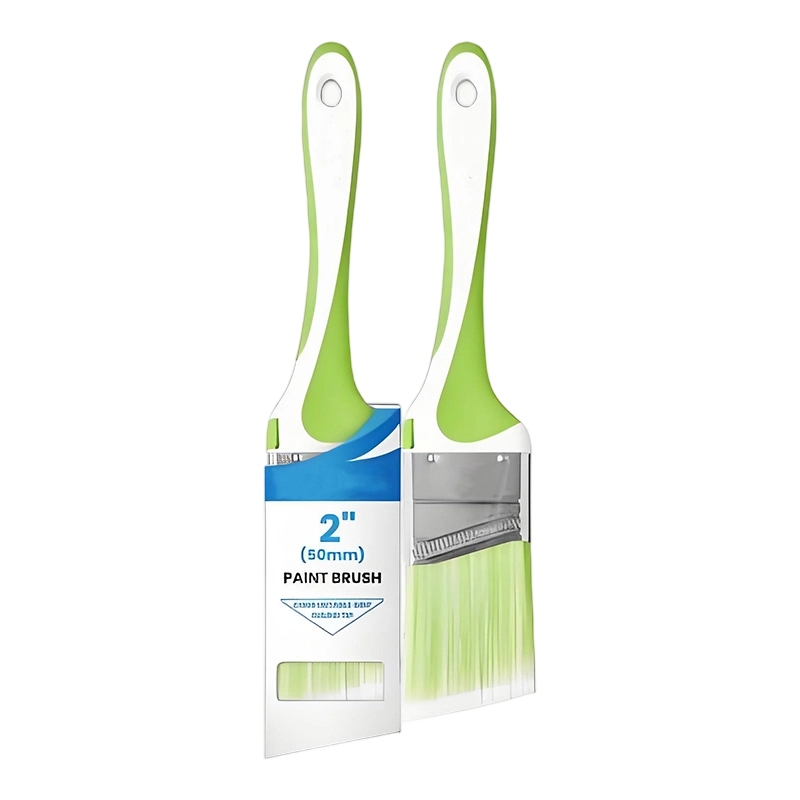
Angled Rubber Coated Handle Paint BrushThe angled rubber coated handle paint brush features synthetic bristles that are stiff enough to eff...
-
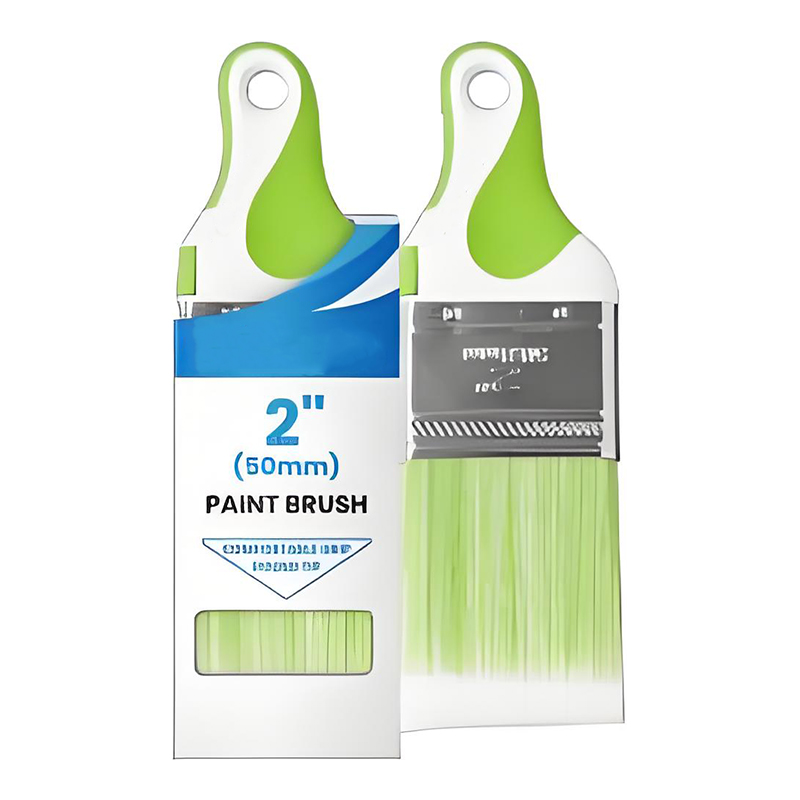
Flat Short Handle Paint BrushThe flat short handle paint brush has a sturdy and compact handle. The short handle allows the user ...
Rubber-Coated handle Paint Brushes feature highly elastic rubber-coated handles, delivering exceptional anti-slip performance and shock-absorbing cushioning. The specially designed anti-slip texture ensures a secure grip even with wet hands, significantly reducing hand fatigue during prolonged use. Made with industrial-grade TPR rubber for corrosion and aging resistance, combined with reinforced metal ferrules and premium bristles, these brushes are built as professional-grade, durable coating tools—an efficient choice for construction sites and industrial painting applications.
About Us
Ningbo Bestar Paintech Co.,Ltd.
Ningbo Bestar Paintech Co.,Ltd. is a manufacturer of high-quality professional and DIY painting tools and accessories in China, located in the Ningbo Port area. Specializing in paint rollers, brushes, extension poles, and other related products, we proudly serve top global paint producers, major retailers, and private brands. As a famous China Rubber-Coated Handle Paint Brush Manufacturers and Rubber-Coated Handle Paint Brush Suppliers, with three facilities and over 350 experienced employees, we offer competitive pricing, timely delivery, and stable quality. Our unique advantage lies in our dedicated R&D team, which develops advanced automatic machines for roller frames and covers, holding over 50 patents in both products and machinery.
News
-
-
The clear conclusion is that a swivel-head paint roller handle performs significantly better than a fixed-head paint roller handle when reaching corners and edges, especially in tight or irregular spaces. The swivel mechanism allows continuous angle adjustment, improving contact consistency by up to 35–50% in corner c...Read More
-
The wall paint brush with flagged (split-tip) bristles does hold and release paint more evenly than unflagged synthetic bristle brushes, and the difference is measurable in both performance and finish quality. Flagged bristles create a finer, more paint-loaded tip that distributes pigment smoothly across surfaces, red...Read More
Rubber-Coated Handle Paint Brush Industry knowledge
The Role of Rubber-Coated Handle Paint Brushes in Reducing Strain During Extended Use
Painting, whether for large-scale projects or smaller tasks, often requires extended periods of focus and physical effort. As we engage in painting, our hands and wrists naturally bear the brunt of the repetitive motions involved in maneuvering the brush. Over time, the pressure of holding and controlling the brush can result in fatigue, strain, and even long-term health issues like joint pain, tendonitis, or carpal tunnel syndrome. This is especially true for professionals who spend hours each day painting walls, ceilings, and other surfaces. However, this physical strain can be mitigated through thoughtful tool design, specifically with the use of rubber-coated handle paint brushes. Rubber-coated handles play a pivotal role in reducing strain and enhancing comfort during long painting sessions by providing better grip, cushioning, and ergonomic support. The main purpose of using a rubber-coated handle paintbrush is to ensure that our hands and wrists remain comfortable throughout the job, regardless of the task's length. This allows us to focus on the quality of our work rather than the discomfort of holding an ill-fitting or uncomfortable tool. For both professionals and DIYers, the ergonomic design of these tools contributes to higher levels of efficiency, enabling us to maintain steady control and precision with minimal strain.
The ergonomic design of rubber-coated handles is one of the primary factors in preventing strain during extended painting tasks. When we hold a traditional paintbrush with a wooden or plastic handle, the lack of ergonomic features can lead to discomfort, as pressure accumulates on specific areas of the hand, leading to muscle fatigue and even cramps. This often results in frequent breaks or inefficient work habits, as we need to alleviate the discomfort before continuing. On the other hand, rubber-coated handles are specifically designed to provide comfort through their soft and flexible nature, distributing pressure more evenly across our hand. The rubber coating itself is not just a surface treatment; it is designed to fit the natural contours of our hand. When we grip the brush, the handle’s cushioning effect absorbs the pressure that would otherwise be concentrated on our fingers or palm. The result is reduced fatigue and less discomfort during long painting sessions. The flexibility of the rubber allows for small adjustments in grip, enabling us to maintain control without straining the hand. This ergonomic advantage is not just about comfort; it directly translates into a better painting experience, as we are able to maintain a secure hold without excessive force, improving both efficiency and precision. Companies like Ningbo Bestar Paintech Co., Ltd. understand the importance of ergonomics in tool design, ensuring that each rubber-coated handle brush offers optimal support for long-term use.
Hand fatigue is not just a physical issue but also a psychological one. When we experience discomfort or pain while using a tool, our concentration begins to wane, and our focus shifts from the task at hand to the discomfort we are feeling. This creates a cycle of diminishing returns, where the quality of our work declines because we are no longer able to concentrate fully on the details. Prolonged discomfort can lead to frustration, which reduces productivity and increases the likelihood of making mistakes. Rubber-coated handles help us to overcome this by providing an experience that minimizes hand fatigue, both physically and psychologically. The cushion-like feel of the rubber coating allows us to grip the brush without needing to apply excessive force, reducing the strain on muscles and joints. This ensures that our hands remain relaxed and stress-free, allowing us to maintain a high level of focus on the task. In addition, the non-slip nature of rubber ensures that we don’t need to concentrate on holding the brush tightly, reducing the mental burden of worrying about the brush slipping. This kind of ergonomic design makes a significant difference, especially in professional environments where productivity is paramount, and every minute counts.
The materials used in the construction of rubber-coated handle paint brushes are integral to their effectiveness in reducing fatigue. The rubber material is engineered to provide a level of flexibility and cushioning that other materials simply cannot match. Unlike hard plastic or wood, which can create pressure points on our hand, rubber handles distribute pressure more evenly, helping to alleviate the discomfort associated with prolonged use. In addition to cushioning, rubber is an inherently durable material, capable of withstanding the repeated stresses placed upon it during extended use. Over time, hard plastic or wooden handles may crack or become slick due to paint buildup, but the rubber coating on high-quality paintbrushes remains resilient, providing consistent comfort throughout the life of the tool. Rubber is naturally resistant to moisture, which is especially important for us as we work with wet paint. Wet hands or high humidity conditions won’t compromise the effectiveness of the rubber grip, ensuring that the brush stays securely in our hands without slipping. This not only reduces the risk of accidents but also maintains a high level of control, allowing for consistent results.
To fully appreciate the advantages of rubber-coated handles, it’s important to understand how they compare to traditional non-rubber-coated brushes. Standard paintbrushes often feature handles made from wood or plastic, materials that can be rigid, slippery, and uncomfortable after extended use. While wood handles may feel comfortable initially, their natural texture can become slick once exposed to moisture or paint. As we continue to grip the handle, it may require more force to maintain control, which only exacerbates hand strain. Similarly, plastic handles, although durable, lack the ergonomic qualities of rubber, providing little to no cushioning or grip. Rubber-coated handles, on the other hand, address these shortcomings. Their soft, flexible nature helps us maintain a more comfortable grip, reducing the amount of force required to hold the brush. The anti-slip properties of rubber also ensure that our hands won’t slip, even when they are covered in paint or exposed to humid conditions. Rubber coatings are more resistant to wear and tear, making them more durable and long-lasting. As a result, rubber-coated brushes not only provide immediate comfort but also ensure that we continue to experience ergonomic benefits throughout the life of the brush.
The shape of a paintbrush handle is as important as the material it is made from when it comes to reducing strain. Handles that are poorly designed or overly rigid can cause discomfort even when made from rubber, as they may force our hands into unnatural positions. On the other hand, well-designed handles that are ergonomically shaped fit more naturally into the contours of our hands. These handles allow us to grip the brush with less effort, reducing the chance of muscle strain or joint pain. Rubber-coated handles are often contoured to match the natural curves of the hand, providing a more secure and comfortable grip. The slight taper or molding of the handle allows for a more relaxed hold, as the brush fits comfortably between our fingers and palm. This ergonomic design prevents our wrist from bending at awkward angles, reducing the strain placed on the wrist during repetitive brush strokes. A well-designed rubber-coated handle also allows for more precise control over the brush, as the user can maintain a more natural hand position throughout the task. The benefit of such thoughtful design is that we can work longer without experiencing the discomfort that often accompanies poorly designed tools.

Enter your information for exclusive offers and latest news.
Product
Contact Info
-
 No.266, Lanhai 2nd Road, Binhai Economic Development Zone, Cixi 315311, Ningbo, Zhejiang, China
-
 +86-574-86117676
+86-18968269871 -
 +86-15921901625
-
 E-mail: [email protected]
[email protected]
Copyright © Ningbo Bestar Paintech Co.,Ltd. Rights Reserved.
