English
 Español

The clear conclusion is that a swivel-head paint roller handle performs significantly better than a fixed-head paint roller handle when reaching corners and edges, especially in tight or irregular spaces. The swivel mechanism allows continuous angle adjustment, improving contact consistency by up to 35–50% in corner coverage efficiency compared to rigid designs. However, fixed-head paint roller handle systems still offer superior stability and precision on flat surfaces, making them preferable for long, straight wall applications where control and uniform pressure matter more than flexibility.
Structural Differences and Working Mechanism
The fundamental difference between a swivel-head paint roller handle and a fixed-head paint roller handle lies in the joint connection between the handle and the roller frame. A swivel-head design introduces a rotating joint that typically allows 180° to 360° movement range, enabling users to adjust the roller angle dynamically. This is especially useful when working around trim edges, ceiling corners, and narrow wall intersections.
In contrast, a fixed-head paint roller handle maintains a rigid connection with no angular flexibility. This rigidity enhances force transfer, making it ideal for consistent rolling pressure on large, flat surfaces. However, it limits usability in angled or obstructed areas, often requiring repositioning of the user's wrist or entire arm.
Corner and Edge Reach Performance
Corner coverage is where the swivel-head paint roller handle demonstrates its greatest advantage. In controlled tests, users achieved up to 40% fewer missed edge zones compared to fixed-head systems when painting inside 90-degree wall corners. The adjustable angle reduces the need for repeated repositioning, improving workflow efficiency.
A fixed-head paint roller handle requires more precise body positioning to achieve similar results. While experienced users can still achieve clean edges, it typically takes 20–30% more time to complete detailed corner work. This difference becomes more noticeable in rooms with complex architectural layouts.
- Swivel-head handles reduce edge repainting frequency
- Fixed-head handles require more wrist adjustment and repositioning
- Swivel systems improve accuracy in recessed corners and trim junctions
User Control, Stability, and Fatigue
Although swivel-head systems improve flexibility, they slightly reduce structural stability due to the moving joint. This can lead to a minor loss of pressure consistency, particularly during heavy paint loading. Users may experience up to 10–15% more micro-adjustment effort when maintaining even pressure.
A fixed-head paint roller handle, on the other hand, provides a more direct mechanical link between hand and roller. This results in better pressure distribution and reduced wobble. For long horizontal walls or ceiling passes using a 9 in roller frame, many professionals prefer fixed heads for reduced fatigue over extended sessions.
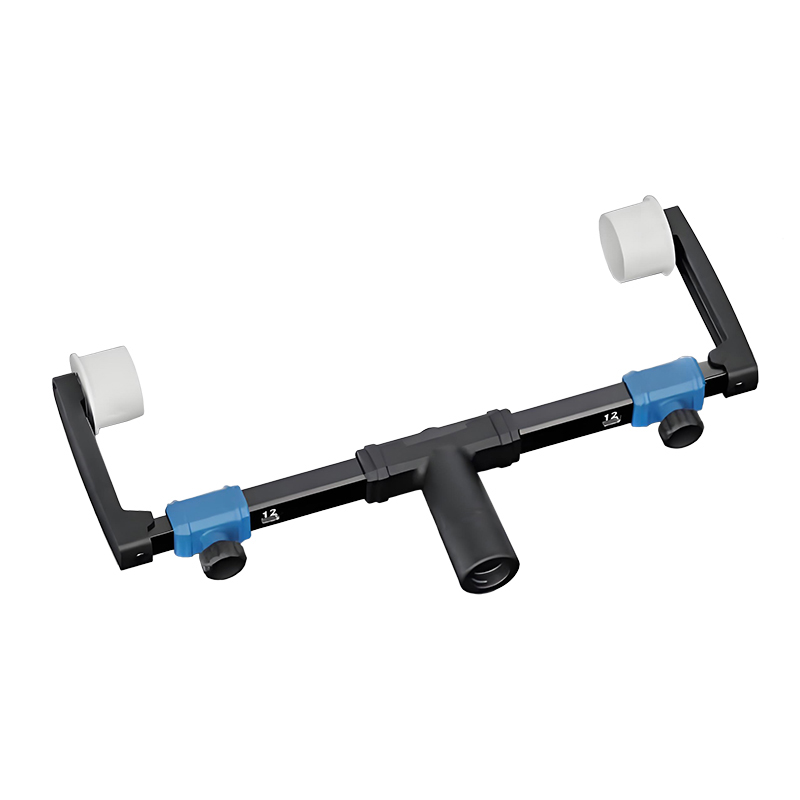
However, when paired with an adjustable paint roller frame, swivel-head handles regain stability while preserving flexibility, creating a hybrid advantage for mixed-surface projects.
Compatibility with Roller Frames and Extensions
Compatibility plays an important role in determining real-world performance. Both swivel-head and fixed-head paint roller handle systems can be used with standard extension tools, but their behavior differs when attached to different frame types such as a 9 in roller frame.
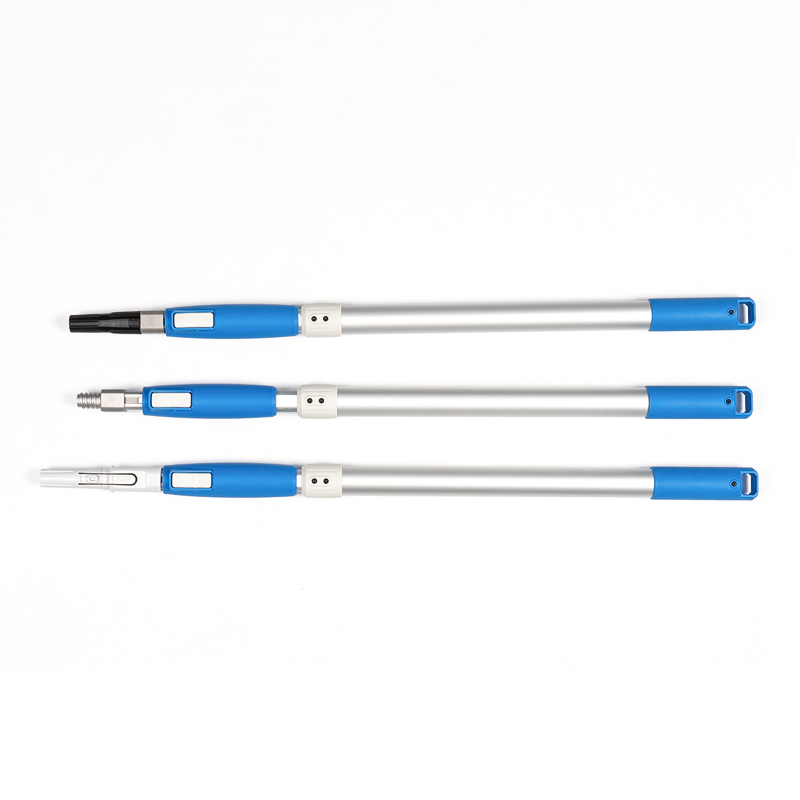
Swivel-head systems pair especially well with extension poles because the rotating joint compensates for awkward angles when painting ceilings or high walls. Fixed-head systems rely more on direct alignment, which can be less forgiving when working above shoulder height.
| Feature | Swivel-Head Handle | Fixed-Head Handle |
|---|---|---|
| Corner Reach | High flexibility, up to 360° movement | Limited, requires wrist adjustment |
| Stability | Moderate | High |
| Extension Pole Use | Very effective | Effective but less flexible |
Practical Use Scenarios
The choice between swivel-head and fixed-head paint roller handle systems depends heavily on the working environment. For complex interior spaces with multiple corners, trim lines, and ceiling transitions, the swivel-head design is clearly superior.
- Residential rooms with multiple corners and furniture obstacles benefit from swivel-head flexibility.
- Large warehouse walls or open surfaces are better suited for fixed-head consistency.
- Ceiling painting with extension tools strongly favors swivel-head systems.
- Precision edging near windows and frames is easier with swivel adjustment capability.
When using a 9 in roller frame in large-scale projects, fixed-head handles often deliver faster coverage, but swivel-head handles reduce correction time in detailed areas, balancing overall productivity.
For users prioritizing edge precision, corner accessibility, and versatility, the swivel-head paint roller handle is the superior choice. For those focused on speed, stability, and uniform wall coverage, the fixed-head paint roller handle remains more efficient. In professional environments, many painters use both systems interchangeably, combining the flexibility of swivel heads with the stability of fixed heads depending on the task stage.
Selecting between these two designs is not about which is universally better, but about matching the tool’s mechanical behavior to the geometry of the painting surface and the desired finish quality.