English
 Español

Introduction to Paint Pails
When it comes to any painting project, whether it's a simple touch-up or a full-scale renovation, having the right tools can make all the difference. One of the most essential tools in any painter's toolkit is the humble paint pail. A paint pail, often referred to as a paint bucket, is container designed specifically for holding and transporting paint, coatings, or other liquid materials. Its primary purpose is to store paint in a manageable, easy-to-pour format, ensuring that the painter can work efficiently without the hassle of constantly dealing with large, cumbersome cans.
Choosing the right paint pail is crucial for a successful painting project. Whether you’re tackling a DIY craft or a professional commercial job, the correct pail ensures that the paint remains fresh, is easy to access, and can be handled comfortably. The material, size, design, and additional features of a paint pail can greatly impact the ease and efficiency of your work, so it’s important to know what to look for.
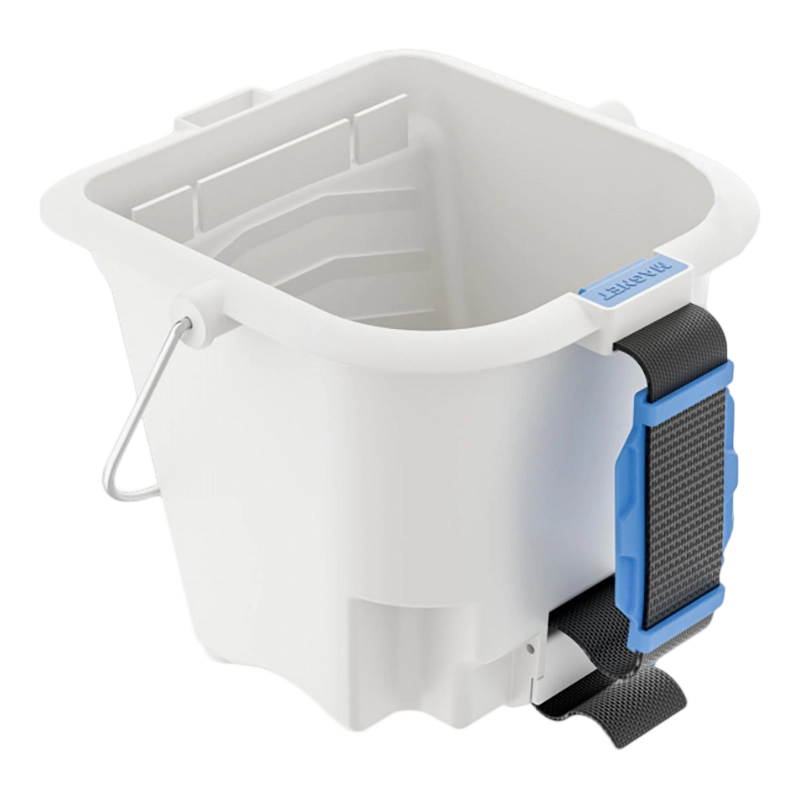
There are a variety of paint pails available on the market, each designed with different needs in mind. Some are simple and basic, while others come equipped with features like pour spouts, lids, and magnetic brush holders for enhanced convenience.
Types of Paint Pails
When it comes to selecting the perfect paint pail for your project, it's essential to choose one that complements both the type of paint you're using and the nature of the task at hand. The variety of paint pails available on the market may seem overwhelming, but understanding their differences can help you make an informed decision. Paint pails come in several materials, sizes, and designs, each with distinct advantages that cater to different needs. Below, we’ll dive into the most common types of paint pails and highlight their features to ensure you find the one best suited for your project.
1.Plastic Paint Pails
Advantages:
Plastic paint pails are by far the most commonly used containers in the industry. They’re made from materials like high-density polyethylene (HDPE), which is known for being lightweight, flexible, and durable. These pails are ideal for a wide range of tasks, from small DIY projects to professional painting jobs.
-
Lightweight and Easy to Handle: The main advantage of plastic pails is their weight. They are much lighter than metal alternatives, making them easier to transport, especially for smaller tasks or when carrying multiple pails.
-
Cost-Effective: Plastic paint pails are generally more affordable than metal pails, which makes them the preferred choice for one-time use, smaller jobs, or budget-conscious buyers.
-
Resistance to Corrosion: Unlike metal pails, plastic pails are resistant to rust and corrosion, which is particularly important if you're storing or using paints that may contain water or solvents that could otherwise affect metal containers.
-
Ease of Cleaning: Cleaning a plastic pail is often easier compared to metal, especially if you are using a liner or have water-based paints. Since plastic doesn't rust, you don’t have to worry about it deteriorating over time from cleaning.
Disadvantages:
Despite their popularity, plastic pails do come with a few downsides that you need to consider.
-
Durability Issues: While plastic is lightweight and flexible, it is generally less durable than metal. Plastic pails are more prone to cracking or breaking under heavy use or extreme temperatures, so they might not be the best choice for long-term use, especially for larger jobs that involve significant wear and tear.
-
Chemical Sensitivity: Plastic pails may react with some solvent-based paints and chemicals, leading to discoloration or damage. Always check the compatibility of the material before choosing a plastic pail for certain types of coatings.
-
Less Robust in Cold Weather: Plastic can become brittle in colder temperatures, making it more prone to cracks or breaks when exposed to frost or extremely low temperatures.
Best Use Cases: Plastic paint pails are best suited for small-to-medium-sized projects, where weight and cost-effectiveness are essential. They are ideal for water-based paints and coatings but may not be suitable for harsh chemicals or long-term use.
2. Metal Paint Pails
Advantages:
Metal paint pails, often made from galvanized steel or aluminum, are known for their durability and strength. These pails are a common choice for commercial and industrial painters who require long-lasting containers capable of handling heavy-duty use.
-
Durability and Strength: Metal pails are significantly more durable than plastic alternatives. They can withstand rough handling, heavy use, and extreme conditions, which makes them ideal for larger painting projects or situations where the pail will be exposed to significant wear.
-
Solvent Resistance: Metal pails excel in situations where chemical resistance is required. If you're working with oil-based paints, solvents, or harsh chemicals, a metal pail is the best option, as it can handle aggressive substances without reacting or deteriorating.
-
Heat Resistance: Metal pails are better at withstanding high temperatures than plastic. If you're working in warmer environments or with paint that requires higher temperature tolerance, a metal pail can hold up better.
Disadvantages:
-
Weight: The most significant drawback of metal paint pails is their weight. They are much heavier than plastic pails, which can be a hassle if you need to transport or move them frequently, especially for smaller jobs where the weight might be less desirable.
-
Rust and Corrosion: While metal pails are durable, they are susceptible to rust and corrosion, particularly when exposed to moisture or left in damp environments. This is especially true for steel pails, although galvanization (a protective zinc coating) can minimize rusting. Proper care and storage are essential to prolong their life.
-
Price: Metal pails tend to be more expensive than their plastic counterparts, so they may not be the best option for those on a tight budget or working on smaller projects.
Best Use Cases: Metal paint pails are ideal for large-scale industrial and commercial jobs, where durability, chemical resistance, and the ability to handle high heat or extreme conditions are paramount. They’re often preferred for oil-based paints, solvents, and heavier-duty work that requires a robust container.
3. Paint Pails with Liners
Advantages:
Paint pails with liners combine the convenience of a standard paint pail with the ease of cleanup offered by disposable or reusable liners. These pails typically have a plastic liner that fits snugly inside the container, allowing for easy removal after the paint job is complete.
-
Easy Cleanup: The primary benefit of using a liner is the minimal effort required for cleanup. Once the paint is used, simply remove the liner and dispose of it (or wash and reuse if it's a reusable liner). This eliminates the need for scrubbing the inside of the pail, saving time and effort.
-
Prevent Contamination: Liners prevent any paint or chemicals from directly touching the interior of the pail, making it easier to switch between different colors or types of paint without risk of contamination.
-
Extended Pail Lifespan: Using a liner helps keep the pail itself clean and free from paint residue, extending its life, especially when you’re using the pail for multiple projects.
Disadvantages:
- <li" style="list-style-type: disc;">
Cost of Liners: Liners may add an extra cost to your project, especially if you're using disposable ones for each job.
-
Potential for Liner Slippage: In some cases, liners may shift or collapse, which can be a bit of a hassle if you’re working with larger quantities of paint.
Best Use Cases: Paint pails with liners are excellent for painters who frequently switch between colors or want to save time on cleaning. They're particularly useful for smaller tasks or DIY projects, where multiple colors or types of paints are being used.
4. Paint Pails with Lids
Advantages:
Paint pails equipped with lids are designed to help preserve the paint inside, keeping it fresh and preventing spills. These lids are typically either snap-on or screw-on, ensuring a tight seal to prevent air from entering the pail.
-
Paint Preservation: The tight seal of a lid helps preserve the paint, keeping it from drying out or becoming contaminated by dust and debris. This is especially beneficial if you're using expensive paint or plan on using the pail multiple times.
-
Prevention of Spills: Lids help prevent accidental spills, which can occur when transporting the pail or when tipping it over during use. This is particularly useful on larger jobsites or in environments where accidents are more likely.
-
Convenience: Some lids come with a built-in handle or other features that make it easy to close and reopen the pail without much hassle.
Disadvantages:
-
Possible Leaks: If the lid isn't secured properly or the seal wears down over time, the paint inside can leak. It’s important to ensure that the lid is tightly sealed each time you use it.
-
Added Expense: Depending on the pail and lid design, these containers can be slightly more expensive than standard, lid-less pails.
Best Use Cases: Paint pails with lids are ideal for long-term paint storage or when you're working with materials that need to be kept fresh for extended periods. They’re especially beneficial for jobs that require multiple days or for contractors who store paint overnight.
5. Specialty Paint Pails
Beyond the standard plastic and metal pails, there are several specialty options designed to enhance specific aspects of your painting experience.
-
Paint Pails with Pour Spouts: These pails feature a built-in spout, allowing for controlled pouring without the mess. If you’re working with a large amount of paint or need precision while pouring, this type of pail is an excellent choice.
-
Paint Pails with Magnetic Brush Holders: Some pails come equipped with magnets that hold your paintbrush securely in place while you work. This prevents drips and keeps your brush from resting on the edge of the pail, ensuring the paint remains clean.
-
Disposable Paint Pails: Ideal for one-time use or small projects, disposable paint pails are made from lightweight, inexpensive materials that can be discarded after use. These pails are especially useful for artists or homeowners doing a small, contained painting task.
Best Use Cases: Specialty paint pails are great for specific needs like precision pouring, brush storage, or temporary tasks. They’re particularly useful for artists, contractors, or those looking for additional convenience in their painting process.
|
Type |
Advantages |
Disadvantages |
Best Use Cases |
|
Plastic Paint Pails |
Lightweight and easy to handle, ideal for small projects Cost-effective and affordable Resistant to rust and corrosion Easy to clean, paint doesn’t stick easily |
Less durable, prone to cracking under heavy use May react with some solvents or harsh chemical Becomes brittle in cold temperatures |
Best for small to medium-sized projects, especially water-based paints, and budget-conscious users. |
|
Metal Paint Pails |
Durable and strong, perfect for heavy-duty work Excellent solvent resistance Performs better under high temperatures, heat resistant |
Heavy and cumbersome to carry Susceptible to rust and corrosion without proper care More expensive than plastic pails |
Ideal for industrial and commercial projects, oil-based paints, and environments with harsh conditions. |
|
Paint Pails with Liners |
Easy cleanup, simply remove and dispose of the line Prevents contamination of the pail, ideal for switching colors Extends the lifespan of the pail by keeping it clean |
Additional cost for liners Liners may shift or collapse, causing inconvenience during use |
Great for projects where multiple colors are used or for anyone looking to save time on cleaning. |
|
Paint Pails with Lids |
Preserves paint by preventing air exposure Prevents spills and accidents Some lids come with easy open/close features |
If the lid isn’t sealed properly, paint may leak Slightly more expensive than pails without lids |
Ideal for long-term paint storage, or for projects requiring multiple days or frequent access to the paint. |
|
Specialty Paint Pails |
Features like pour spouts for controlled pouring Magnetic brush holders to prevent dripping and keep brushes clean Disposable pails for one-time use |
Typically higher cost for specialty features May be too advanced or unnecessary for some simple projects |
Best for specific tasks like precision pouring, brush storage, or small, temporary projects. |
Factors to Consider When Choosing a Paint Pail
Choosing the right paint pail for your project isn’t as simple as picking one off the shelf. While it might seem like a minor detail, selecting the wrong paint pail can lead to inefficiencies, spills, wasted paint, and unnecessary frustration. To help guide you toward the best choice, we’ll break down the key factors to consider when selecting a paint pail. From size and capacity to material and handle design, these considerations will ensure your pail meets your needs and makes your painting process smoother.
1. Size and Capacity
The first and perhaps most important factor in choosing a paint pail is the size and capacity. Paint pails come in various sizes, typically measured in quarts, gallons, or liters. The right size depends entirely on the scope of your project.
Determining the Appropriate Pail Size:
The amount of paint you need depends on the area you’re covering. When choosing a paint pail, consider the following:
-
Small Projects: If you're working on a small craft project, a quick touch-up, or a DIY home improvement task, a 1-quart or 1-gallon pail might suffice. These sizes are perfect for painting small furniture, accent walls, or touch-ups around the house.
-
Medium Projects: For projects like painting a room or working on larger furniture pieces, 2-gallon or 3-gallon pails are ideal. These sizes offer a good balance between portability and capacity.
-
Large Projects: For commercial work, painting multiple rooms, or exterior house painting, you might need a 5-gallon pail. This is the standard size for larger-scale projects and will help reduce the number of refills required during the job.
Why Size Matters:
The size of the paint pail will directly affect your workflow. A pail that’s too small may require frequent refills, wasting valuable time and energy, while a pail that’s too large can lead to unnecessary waste of paint or difficulty managing the pail. If you’re unsure of how much paint you need, it's always a good idea to buy a little extra paint rather than fall short during the project.
Tip: For multi-color projects, consider getting smaller pails for each color. This keeps things organized and allows for easy switching between colors.
2. Material
The material of the paint pail can significantly impact its performance, longevity, and how you use it throughout your project. The two most common materials used for paint pails are plastic and metal. Each has its pros and cons, and the right choice will depend on the type of paint you're using, your budget, and the scale of your project.
Plastic Paint Pails:
As mentioned earlier, plastic pails are lightweight, affordable, and versatile. They are most commonly used for water-based paints and smaller projects.
-
Pros: Lightweight, inexpensive, resistant to rust, easy to clean, and come in a variety of sizes and designs.
-
Cons: May not hold up as well with solvent-based paints, susceptible to cracking under extreme conditions, and less durable in high-heat environments.
Plastic pails are perfect for home projects that involve latex, acrylic, or water-based paints. They are a solid choice when weight is a concern, especially for smaller projects.
Metal Paint Pails:
Metal pails, typically made from galvanized steel or aluminum, are sturdier and more resistant to certain chemicals. They are ideal for heavy-duty or industrial applications.
-
Pros: Durable, resistant to solvents and chemicals, good for oil-based paints and varnishes, resistant to high temperatures, and built for long-term use.
-
Cons: Heavier than plastic pails, prone to rust if not properly stored or maintained, and often more expensive.
If you’re using oil-based paints, solvent-based materials, or need a pail that will stand up to the rigors of a large-scale, industrial painting project, metal pails are the way to go.
Tip: Check the compatibility of the paint with the material of the pail. For example, avoid using plastic pails with paints that contain harsh solvents unless the pail is rated for use with chemicals.
3. Handle and Grip
The handle is a crucial feature to consider because it will affect how easily you can carry the pail during the project. A poor handle can cause discomfort or even strain your hand or wrist, especially if you’re working for hours at a time.
Considerations for Handle Design:
-
Comfort: Look for a pail with an ergonomically designed handle or one that has a soft grip. Many pails come with rubberized or padded handles to make carrying more comfortable, especially if you're working on large projects that require frequent lifting.
-
Sturdiness: Ensure that the handle is robust enough to support the weight of the pail, especially if it's full. Some handles are reinforced with metal, which makes them more durable for heavy-duty tasks.
-
Dual Handles: Some pails come with two handles — one on each side — which can be useful for maintaining balance and ease of pouring. This design is common in larger 5-gallon pails, making it easier to manage the weight.
-
Hanging Options: Some pails come with a built-in hook or latch, allowing them to be hung while working, preventing spills and making access to paint easier. This can be especially helpful when you need to keep your hands free or maintain an organized workspace.
Tip: Choose a pail with a comfortable, sturdy handle if you plan on carrying it long distances or frequently lifting it. A good handle will reduce fatigue and make the job more manageable.
4. Lid and Seal
The lid is another essential feature when selecting a paint pail. A tight-fitting lid helps preserve the paint by preventing it from drying out, and it also prevents contaminants from getting into the paint. A well-designed lid ensures that your paint remains usable over the long term.
Types of Lids:
-
Snap-On Lids: These lids are easy to apply and remove. They create a fairly tight seal but may not offer the same level of air-tightness as screw-on lids. Snap-on lids are usually sufficient for short-term storage or when you need to close the pail temporarily during breaks in your project.
-
Screw-On Lids: Screw-on lids provide a stronger, more secure seal, making them the better choice for long-term storage or when you need to preserve paint for extended periods. They’re ideal for situations where the paint will sit for several weeks or even months.
-
Lids with Handles: Some pails come with lids that include handles for easy removal and replacement. These lids are particularly useful when you need to cover the pail quickly during breaks or when the project spans multiple days.
Why Lids Matter:
A good lid prevents paint from spilling, especially when you’re moving the pail around or carrying it up ladders. Lids also preserve paint by keeping air and moisture out, preventing the paint from drying out, thickening, or becoming contaminated.
Tip: For long-term storage or overnight use, a screw-on lid is a safer bet, especially if you’re working with expensive or specialty paints.
5. Liners
For many, the ease of cleaning and maintaining a paint pail is one of the most important factors. Paint pail liners can save time, prevent paint buildup inside the pail, and help extend the life of the pail.
Benefits of Paint Pail Liners:
-
Easy Cleanup: Using a liner inside your pail means you don’t have to scrub out hardened paint residue. Once the job is finished, you can remove the liner and dispose of or clean it. This eliminates the need for tedious cleaning.
-
Protection: Liners also protect the pail from harsh chemicals and solvent-based paints that might otherwise damage the container.
-
Reusable Options: Some liners are designed to be reused multiple times. You simply need to clean and store them properly after each project. Reusable liners are a great option if you’re working on several similar projects or expect to use the pail multiple times.
Types of Liners:
-
Plastic Liners: Disposable plastic liners are the most common and are designed for single-use. These are especially useful for projects that require quick cleanup or when you are switching between different paint colors.
-
Reusable Fabric Liners: For larger, long-term projects, reusable fabric liners can be used. These are more durable and can be cleaned and used again, saving money over time.
Tip: If you’re working with multiple paint colors, consider using separate liners for each color. This avoids contamination and keeps your pail cleaner for longer.
6. Pouring and Spouts
For some projects, a pouring spout can make all the difference. If you’re working with large quantities of paint or need to control the flow of paint carefully, look for a pail with a built-in spout.
Benefits of Pour Spouts:
-
Prevent Spills and Drips: A well-designed spout helps guide the paint where you want it to go without the risk of spills or drips. This is especially useful when working on large jobs like wall painting or exterior tasks.
-
Precision Pouring: For those needing precision, especially when working on smaller areas, a spout allows you to control the flow and avoid wasting paint or making a mess.
Tip: Pour spouts are most effective when you’re working with latex or other water-based paints. They allow you to get more control over how much paint you pour and where it goes.
7. Price and Budget
The cost of a paint pail can vary significantly depending on its material, features, and capacity. While it might be tempting to opt for the cheapest option, it’s important to weigh the cost against the quality and the demands of your project.
-
Budget-Friendly Options: For small projects or one-time uses, disposable plastic pails or basic metal options may be sufficient. These are affordable, simple, and get the job done.
-
Long-Term Investment: If you're a professional painter or have long-term needs, investing in high-quality pails with features like screw-on lids, durable handles, and solvent resistance can make your work more efficient and less frustrating over time.
Tip: Consider the long-term cost of your paint pail, including how often you will use it, and whether it's worth investing in features like liners, lids, and handles that save time and effort.
Tips for Using and Maintaining Paint Pails
Paint pails are an essential tool for any painting project, whether it’s a small DIY task, a large renovation, or industrial work. However, to maximize the effectiveness of your paint pail and extend its lifespan, proper usage and maintenance are key. This section will provide you with expert tips on how to get the most out of your paint pail, from proper pouring techniques to cleaning and storage methods. Whether you're a professional painter or a DIY enthusiast, these tips will help you keep your paint pails in top condition, saving you time and money in the long run.
1. Proper Pouring Techniques
One of the most common issues that painters face is spilling paint, whether it’s from overfilling the pail or pouring too quickly. Not only does this create a mess, but it also wastes valuable paint. Using proper pouring techniques can help you avoid these issues, making the process smoother and more efficient.
Key Tips for Controlled Pouring:
-
Don’t Overfill the Pail: To ensure that you don’t spill paint while pouring, avoid filling your pail all the way to the top. A good rule of thumb is to fill the pail about 3/4 of the way. This allows you enough space to tilt the pail without risking overflow. It also makes handling the pail more manageable, especially when it’s heavy.
-
Use a Pour Spout or Attachments: Many paint pails come with built-in pour spouts, which help direct the flow of paint and prevent spills. If your pail doesn’t have one, you can purchase a pour spout attachment that fits over the rim. These spouts often feature a narrow opening to control the flow, reducing the likelihood of messes.
-
Pour Slowly and Steadily: When you’re ready to pour, do so slowly and in a steady motion. A controlled pour will help you avoid spills and give you better precision, especially when working on detailed areas. If you’re pouring from a large pail into a smaller container, take your time and allow the paint to flow evenly.
-
Use a Paint Tray: If you’re working with large quantities of paint, consider pouring the paint into a paint tray before applying it to surfaces. This makes it easier to load your brush or roller while reducing the chances of drips. Paint trays are designed to hold just the right amount of paint for quick access without wasting excess paint.
-
Check for Drips: After pouring, be sure to inspect the edge of the pail for any drips that may have formed. Wipe them away immediately with a clean rag to avoid messes or dry paint marks on your project surface.
Tip: If you’re working with a specific paint color, try using a paint strainer when pouring. This ensures that any debris or hardened paint chunks are filtered out, preventing clogs in your tools or sprayer.
2. Cleaning Your Paint Pail Thoroughly
Cleaning your paint pail may seem like a straightforward task, but it’s easy to overlook some important details. Whether you’re cleaning a plastic or metal pail, using the proper cleaning methods ensures that your pail lasts longer and remains free of contaminants.
Step-by-Step Guide for Cleaning:
-
Empty the Pail Completely: Before cleaning, make sure that the pail is empty of any leftover paint. Scrape the sides with a paint stirrer or a flexible scraper to remove as much excess paint as possible. If you’re working with a liner, simply remove the liner and dispose of or clean it according to its type (disposable or reusable).
-
Use the Right Solvent for the Paint Type:
-
For water-based paints (latex, acrylic, etc.), clean the pail with warm soapy water. A mild detergent and a sponge or scrub brush should be sufficient to remove the paint residue. Be sure to rinse the pail thoroughly to avoid soap buildup.
-
For oil-based paints, you’ll need a solvent like mineral spirits or paint thinner. Pour a small amount of solvent into the pail and swirl it around to dissolve the remaining paint. Dispose of the solvent properly by following local waste disposal guidelines. Afterward, clean the pail with warm soapy water to remove any solvent residue.
-
-
Scrub the Inside and Outside: Use a scrub brush or sponge to clean both the inside and outside of the pail. Pay particular attention to the rim, where paint often collects. For stubborn paint spots, use a paint scraper or a plastic putty knife to gently scrape away the residue without damaging the pail.
-
Don’t Forget the Handle: The handle of your pail is also prone to accumulating paint and grime. Wipe it down with a rag soaked in warm water or solvent to keep it clean and free of dried paint.
-
Rinse and Dry Thoroughly: After cleaning, rinse the pail several times with clean water to remove any remaining cleaning solution or solvent. Allow the pail to air dry completely before storing it. If you're cleaning a metal pail, make sure it is thoroughly dry to avoid rusting.
-
Store the Pail Upside Down: To prevent any leftover moisture from lingering inside, store the pail upside down after cleaning. This ensures that any residual water or solvent can drain out and the pail remains dry.
Tip: If you’re cleaning multiple pails, consider setting up a cleaning station with a large basin or bucket where you can rinse off pails before washing them with soap and water. This makes the cleaning process more efficient, especially for contractors or large-scale projects.
3. Storing Your Paint Pail
Proper storage is critical to maintaining your paint pail’s functionality and prolonging its life. Whether you're storing an empty pail, leftover paint, or a pail filled with paint, the right storage practices can prevent rust, contamination, and unnecessary wear.
Storing Empty Paint Pails:
-
Keep Pails Dry: When storing empty paint pails, make sure they are thoroughly dry before stacking or storing them. Moisture can lead to rusting in metal pails or degradation in plastic pails over time. For plastic pails, ensure that they are kept out of direct sunlight to prevent warping.
-
Avoid Stack Pressure: If you are stacking multiple pails, be careful not to apply too much pressure, especially on plastic pails. Overstacking can cause them to crack or warp, making them less useful for future projects. If possible, store pails separately in a dry, cool area.
Storing Paint in Pails:
-
Seal the Pail Properly: If you need to store leftover paint in the pail for future use, make sure the lid is tightly sealed. For metal pails, consider using a rubber gasket or additional tape around the lid for extra sealing power. For plastic pails, snap-on or screw-on lids work best for preserving the paint.
-
Label the Pail: To avoid confusion and ensure proper use in the future, label the pail with the type of paint inside (e.g., latex, oil-based), the color, and the date of storage. This helps you identify the paint quickly and ensures that it is used within the appropriate time frame.
-
Store Paint in a Cool, Dry Place: Store your paint-filled pail in a cool, dry area to prevent the paint from becoming too thick, drying out, or separating. Paint should ideally be stored at room temperature (around 60–75°F or 15–24°C). If you’re working with oil-based paints, ensure the storage area is well-ventilated to avoid fumes building up.
-
Prevent Freezing: In colder climates, it’s important to avoid storing paint outside or in areas subject to freezing temperatures, as freezing can ruin paint. If you need to store paint during winter, keep it inside in a temperature-controlled environment.
Tip: If your paint pail is left open for an extended period, skin can form on the surface of the paint. To prevent this, place a piece of plastic wrap directly over the paint’s surface before sealing the lid to keep air out.
4. Extending the Life of Your Paint Pail
Like any tool or equipment, a little care and attention can go a long way in extending the life of your paint pail. Here are some practical steps to keep your pail in good condition:
Use Liners for Easy Cleanup:
-
Reduce Cleaning Time: As mentioned earlier, using disposable or reusable liners inside your paint pail will save you a significant amount of cleaning time. Liners prevent paint from directly contacting the pail, making it easier to switch between different types or colors of paint without the need to scrub the container afterward.
-
Maintain Paint Quality: Liners also protect the pail from paint deterioration, especially if you're working with highly corrosive or solvent-based paints. This means that the pail stays in better condition and is ready for future use.
Store Your Pail Properly Between Uses:
-
Keep Pails Clean and Dry: After each use, always make sure your pail is cleaned properly and stored in a dry, safe place. Avoid leaving the pail outside or exposed to the elements, as this can lead to rust, contamination, or damage.
-
Consider Using a Pail Carrier: For large-scale jobs, a sturdy pail carrier or painter’s caddy can help you carry multiple pails at once. This helps you avoid dropping or damaging pails and ensures that they are easy to transport around a job site.
Inspect Your Pail Regularly:
-
Check for Cracks or Weak Spots: Regularly inspect your paint pail for any signs of wear or damage, such as cracks, dents, or rust. Early detection of damage can help you address issues before they become major problems, saving you from more costly repairs or replacement.
-
Maintain the Handle: If the handle starts to wear or becomes loose, reinforce it or replace it to maintain its strength. A broken or weak handle can be dangerous, especially when the pail is filled with heavy paint.
Tip: If you notice any damage to your pail, consider replacing it before it becomes unusable. A damaged pail can compromise the safety and effectiveness of your painting project.