 English
 Español

The Paint Roller Cover is the clearly better tool for painting large flat ceilings because it covers far more surface area per stroke, holds significantly more paint, and produces a more uniform, streak-free finish than a paint brush. A standard 9-inch Paint Roller Cover can cover roughly 100 to 150 square feet in the...
Read More Wooden Handle Paint Brush Suppliers
-
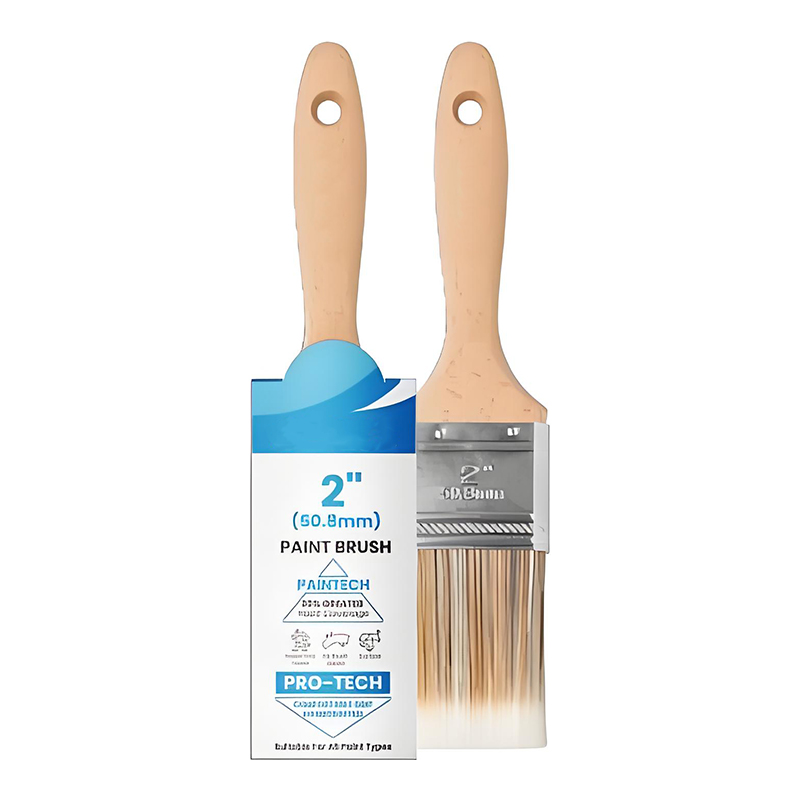
Flat Beech Handle Paint BrushFlat Beech Handle Paint Brush is designed for smooth application and lasting performance.Handle: Cra...
-
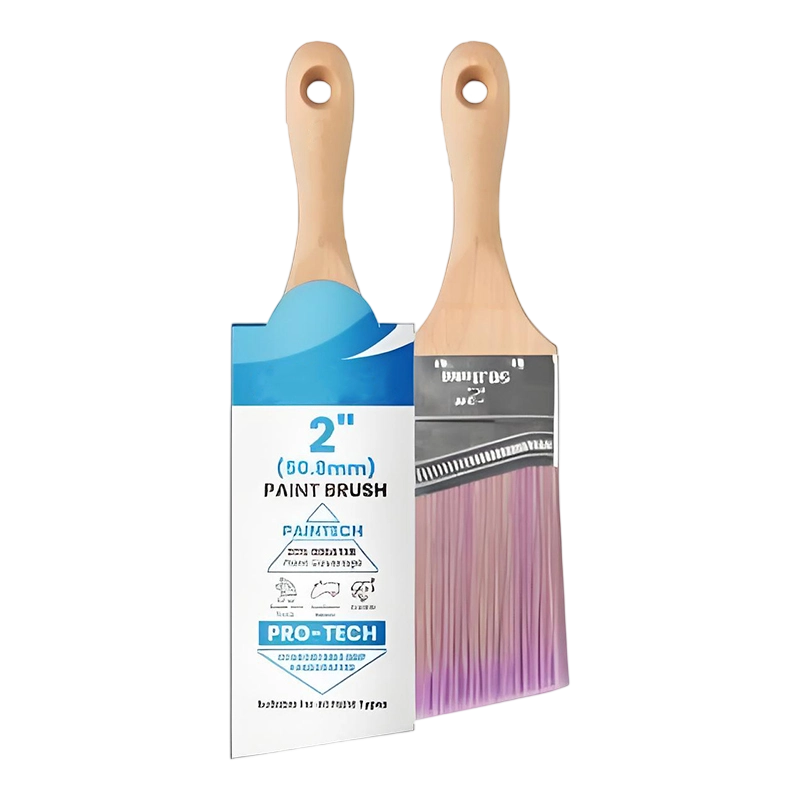
Angled Beech Handle Paint BrushThis angled beech handle paint brush combines the strength of beech wood with the precision of angle...
-
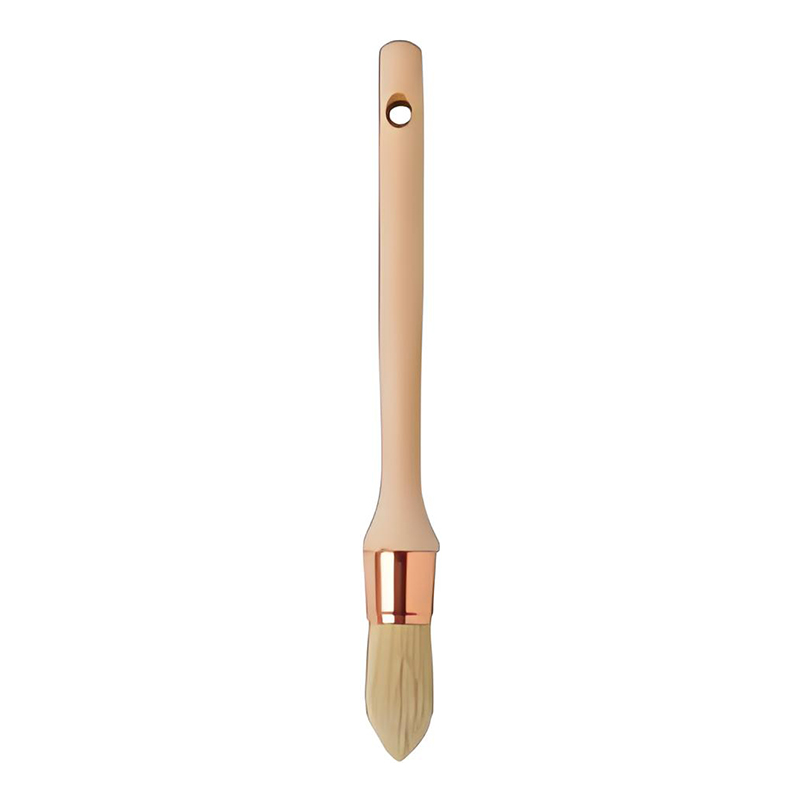
Point Beech Handle Paint BrushPoint Beech Handle Paint Brush uses high-quality synthetic bristles that are highly absorbent and ab...
Wooden handle paint brushes feature naturally crafted timber grips, combining ergonomic comfort with timeless craftsmanship. The moisture-resistant treated wood prevents warping/splitting, while offering perfect balance to reduce hand fatigue during prolonged painting. Paired with premium nylon/hog bristles, these brushes ensure even paint loading, especially ideal for oil-based paints and wood stains. The classic wooden handle delivers both durability and professional-grade control, making it the top choice for professional painters and discerning DIYers.
About Us
Ningbo Bestar Paintech Co.,Ltd.
Ningbo Bestar Paintech Co.,Ltd. is a manufacturer of high-quality professional and DIY painting tools and accessories in China, located in the Ningbo Port area. Specializing in paint rollers, brushes, extension poles, and other related products, we proudly serve top global paint producers, major retailers, and private brands. As a famous China Wooden Handle Paint Brush Manufacturers and Wooden Handle Paint Brush Suppliers, with three facilities and over 350 experienced employees, we offer competitive pricing, timely delivery, and stable quality. Our unique advantage lies in our dedicated R&D team, which develops advanced automatic machines for roller frames and covers, holding over 50 patents in both products and machinery.
News
-
-
The clear conclusion is that a swivel-head paint roller handle performs significantly better than a fixed-head paint roller handle when reaching corners and edges, especially in tight or irregular spaces. The swivel mechanism allows continuous angle adjustment, improving contact consistency by up to 35–50% in corner c...Read More
-
The wall paint brush with flagged (split-tip) bristles does hold and release paint more evenly than unflagged synthetic bristle brushes, and the difference is measurable in both performance and finish quality. Flagged bristles create a finer, more paint-loaded tip that distributes pigment smoothly across surfaces, red...Read More
Wooden Handle Paint Brush Industry knowledge
How Wooden Handle Paint Brushes Improve Precision and Control During Painting
Wooden handle paint brushes are known for their ergonomic design, which is one of the key factors in improving precision and control. When painting for extended periods, comfort and ease of handling become paramount. Wooden handles are designed to fit naturally into the contours of the hand, making it easier for us to maintain a steady grip. Unlike plastic or metal handles, which can be slippery or too rigid, wood provides a warmth and texture that feels secure in our hands, preventing fatigue and enhancing control. The ergonomic design of wooden handles encourages us to hold the brush in the correct position, which leads to more controlled and consistent strokes. The slight flexibility of a wooden handle also plays a role in improving our grip and the overall feel of the brush. As we use the brush over time, the wood adapts to our hand’s natural movements, creating a customized fit that contributes to a more comfortable and precise painting experience. The smoother finish of a well-treated wooden handle also prevents discomfort and helps us maintain a steady grip, even during lengthy painting sessions. This level of comfort and ergonomic support directly translates into greater control over the brush, allowing us to execute fine details and delicate strokes with ease. Ningbo Bestar Paintech Co., Ltd. understands that a comfortable, ergonomic handle is vital to professional painters, which is why they focus on developing wooden handles that maximize comfort without sacrificing performance. The company’s extensive R&D process ensures that each wooden handle is designed to meet the ergonomic needs of professionals, helping us achieve better results with reduced hand strain.
The material properties of wood provide a unique tactile experience that enhances our ability to control the brush and apply paint with precision. Wood offers a natural feedback mechanism that other materials, like plastic or metal, cannot replicate. This feedback allows us to feel the surface we are painting more clearly, which is especially useful when performing fine detail work. As we move the brush over different textures, the slight resistance and the feedback from the wood handle help us make quick, subtle adjustments to the pressure we apply. This immediate sensory information enables us to have more control over the brush and achieve more accurate results. Wood is also inherently flexible, which gives the handle a degree of responsiveness that can be felt in the hand. Unlike harder materials, the slight bend in the wood under pressure adds a layer of sensitivity that helps us gauge how much force is needed when applying paint to a surface. This enhanced sensitivity allows us to execute lighter, more controlled strokes, which is critical when painting intricate designs, edges, or small spaces. The material also promotes a better connection between the painter and the brush, enabling us to feel exactly how the brush is interacting with the surface. This tactile feedback can prevent mistakes, such as oversaturation or uneven coverage, which are common when the painter lacks a clear sense of control over the tool. Ningbo Bestar Paintech Co., Ltd. leverages the natural properties of wood to enhance the user experience. The company ensures that every wooden handle is crafted to provide the highest level of tactile sensitivity, contributing to precision and control during painting.
The length of a paintbrush handle directly affects the control we have over the tool, and wooden handles offer a wide range of lengths to suit different painting tasks. Shorter handles are generally used for precision work, as they allow us to hold the brush closer to the bristles. This proximity gives us more control over smaller strokes and the ability to apply paint with greater accuracy. The shorter distance between our hand and the brush allows for fine motor control, which is particularly important when we are working on detailed patterns, trim, or edges. Longer handles, on the other hand, offer more leverage, which is useful for larger projects where broader strokes are needed. While longer handles can provide additional reach, they also require more attention to control, as the additional length can make it harder to execute precise movements. For us to achieve the best results, we need to choose the correct handle length based on the specific task at hand. A longer handle may be ideal for general surface painting, while a shorter handle excels in detail work. Ningbo Bestar Paintech Co., Ltd. understands the importance of flexibility when it comes to handle length. The company offers a variety of wooden handle paint brushes, catering to different painting techniques. By customizing the handle length to match specific painting tasks, Ningbo Bestar Paintech Co., Ltd. ensures that we always have the right tool for achieving precise results.
The weight distribution of a paintbrush plays a critical role in how well we can control the tool, and wooden handle paint brushes are particularly well-regarded for their balanced feel. When the weight is properly distributed, the brush feels stable in our hand, allowing us to apply paint smoothly and evenly. If the brush is too heavy in one area, it can lead to fatigue, uneven strokes, or difficulty in making fine adjustments, all of which negatively affect our precision. A brush with proper weight distribution allows us to maintain a steady hand, especially when working on delicate or intricate projects. The balance provided by a wooden handle ensures that we can control the pressure exerted on the surface. Brushes that are too light can be harder to control, especially when applying thick coats of paint or working with denser materials. Conversely, brushes that are too heavy may strain our hand, reducing our ability to perform delicate tasks. The key is in finding the right balance, and wooden handles provide just that. Ningbo Bestar Paintech Co., Ltd. carefully designs its wooden handle brushes to ensure optimal weight distribution. Their dedication to perfecting the brush’s balance allows us to maintain control throughout the painting process, whether we are painting broad strokes or detailed accents.
The wooden handle’s finish can significantly impact our experience when using the brush. A well-finished handle prevents discomfort, allowing us to work for extended periods without irritation or hand fatigue. A smooth finish enhances our grip, ensuring that the brush does not slip out of our hand, even during long or intense painting sessions. The finish also prevents splinters, which could otherwise interfere with our ability to control the brush and achieve a smooth application. The choice of finish affects both the feel of the brush and its longevity. Wood finishes such as varnishes or lacquers protect the handle from wear and tear, extending the lifespan of the brush and keeping it looking new for longer. A high-quality finish ensures that the handle resists damage from paint, water, and general wear, maintaining its structural integrity over time. This durability means we can rely on the brush for consistent performance, day after day, without worrying about the handle becoming slippery or uncomfortable. Ningbo Bestar Paintech Co., Ltd. takes great care in finishing each wooden handle with precision. By using advanced techniques and high-quality materials, the company ensures that every handle is smooth, durable, and comfortable for extended use. The finish not only improves the brush’s appearance but also its functionality, making it easier for us to maintain control over the tool.
One of the standout features of wooden handle paint brushes is their ability to deliver precise control in tight spaces and intricate designs. The ergonomic design of the wooden handle makes it easier for us to maneuver the brush in small or complex areas where other brushes might struggle. Whether we are working on trim, corners, or detailed accents, the compactness and responsiveness of the wooden handle allow for quick adjustments in direction, pressure, and stroke length. Wooden handles are particularly advantageous when precision is required, as the natural grip allows us to hold the brush closer to the bristles, which increases our ability to control fine strokes. The lightweight nature of wood means we can adjust the pressure applied with minimal effort, giving us the freedom to perform delicate tasks without overloading the brush with paint or causing smudges. Ningbo Bestar Paintech Co., Ltd. recognizes the importance of detail work, which is why their wooden handle paint brushes are designed to offer unparalleled control. Whether we are creating fine lines, painting edges, or applying paint to intricate patterns, these brushes help us achieve a high level of precision and accuracy.

Enter your information for exclusive offers and latest news.
Product
Contact Info
-
 No.266, Lanhai 2nd Road, Binhai Economic Development Zone, Cixi 315311, Ningbo, Zhejiang, China
-
 +86-574-86117676
+86-18968269871 -
 +86-15921901625
-
 E-mail: [email protected]
[email protected]
Copyright © Ningbo Bestar Paintech Co.,Ltd. Rights Reserved.
