English
 Español

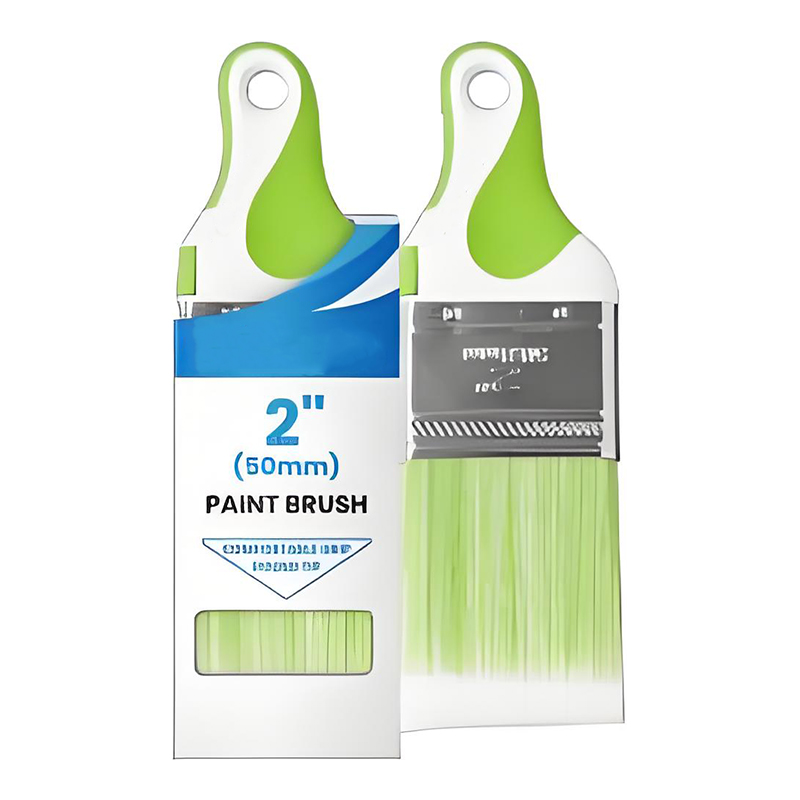
The wall paint brush with flagged (split-tip) bristles does hold and release paint more evenly than unflagged synthetic bristle brushes, and the difference is measurable in both performance and finish quality. Flagged bristles create a finer, more paint-loaded tip that distributes pigment smoothly across surfaces, reducing streaks and improving coverage consistency. If you are debating between bristle types for your next interior wall project, this article breaks down exactly why flagging matters and when it makes the biggest difference.
What Are Flagged Bristles and How Do They Work?
Flagged bristles are individual filaments that have been split or frayed at the tip during manufacturing. Each split creates multiple micro-tips at the end of a single bristle, multiplying the number of paint-delivery points without increasing the overall stiffness of the brush. The result is a brush that behaves more like a natural hair brush while still offering the durability of synthetic materials.
On a standard wall paint brush, these split tips serve two critical functions:
- They increase the paint-holding capacity of the brush by creating more surface area between bristles.
- They allow paint to release gradually and uniformly rather than in uneven clumps or thick lines.
In practical terms, a flagged wall paint brush can hold approximately 20–30% more paint per dip than a comparable unflagged brush of the same width, meaning fewer trips back to the paint tray and more consistent stroke coverage.
Flagged vs. Unflagged Synthetic Bristles: Key Differences
Unflagged synthetic bristles have blunt or rounded tips. They are durable and easy to clean, but their paint-release pattern is less refined. When applied to a wall surface, unflagged bristles tend to deposit heavier loads of paint at the beginning of a stroke and taper off quickly, which can cause visible lap marks and uneven texture — especially on smooth drywall or eggshell finishes.
| Feature | Flagged Bristle Wall Paint Brush | Unflagged Synthetic Bristle Brush |
|---|---|---|
| Paint Load Capacity | High | Moderate |
| Paint Release Consistency | Very Even | Slightly Uneven |
| Brush Stroke Visibility | Minimal | Moderate to High |
| Best Paint Type | Latex, Acrylic, Water-Based | Oil-Based, Alkyd |
| Durability | Moderate | High |
| Ideal Surface | Smooth to Semi-Textured Walls | Rough or Porous Surfaces |
How Flagging Affects Finish Quality on Interior Walls
When painting interior walls — particularly with flat, eggshell, or satin finishes — the quality of paint application directly determines the final visual result. A flagged wall paint brush excels here because its fine, split tips blend wet paint edges more naturally, reducing the risk of visible brush lines once the surface dries.
Consider a practical scenario: painting a 10 x 10-foot accent wall in deep charcoal with a water-based satin paint. Using an unflagged 3-inch synthetic brush, a painter would typically see noticeable drag lines and uneven color depth across brush strokes, requiring an additional coat to correct. The same wall painted with a flagged-tip wall paint brush of equivalent width tends to achieve full, even coverage in two coats with far fewer visible marks, saving both time and paint.
This is also relevant in the ongoing debate of foam brush vs paint brush performance. While foam applicators eliminate brush strokes entirely on smooth surfaces, they lack the paint load capacity and edge control that a flagged-bristle wall paint brush provides, making them unsuitable for cutting in ceiling lines or working across textured wall areas efficiently.
Foam Paint Brush vs Bristle: Understanding the Trade-offs
The foam paint brush vs bristle comparison is one of the most common decisions DIY painters face. Each tool serves a different purpose, and understanding when to use each prevents wasted effort and poor results.
When a Foam Brush Works Best
- Applying stains or varnishes on furniture where brush marks are unacceptable.
- Touch-up work on very smooth, flat surfaces such as painted metal doors.
- Detail painting in tight corners where precision matters more than coverage speed.
When a Wall Paint Brush with Flagged Bristles Works Best
- Cutting in along ceiling lines, baseboards, and window trim with clean, accurate edges.
- Covering large wall sections with latex or acrylic paint efficiently.
- Working on semi-textured or lightly porous wall surfaces where foam applicators fail to penetrate.
- Feathering wet edges to avoid lap marks on large painted areas.
In short, the foam paint brush vs bristle debate does not have a universal winner. For wall painting tasks specifically, a flagged-bristle wall paint brush is the more versatile and professional choice, while foam applicators remain useful for specialty finishes on flat, non-wall surfaces.
Bristle Material Matters: Nylon, Polyester, and Blended Options
Not all flagged synthetic bristles perform equally. The base material of the filament significantly impacts how the wall paint brush handles different paint viscosities and how long the flagging holds up over repeated use.
- Nylon flagged bristles are soft and flexible, making them ideal for smooth walls with thin latex paints. However, nylon absorbs moisture and can soften excessively with heavy water-based coatings, reducing control.
- Polyester flagged bristles are stiffer and more moisture-resistant, offering better snap-back and control across longer painting sessions. They hold their shape after repeated washings, extending the life of the split tips.
- Nylon-polyester blended flagged bristles combine the softness of nylon with the resilience of polyester, and are widely considered the best all-around option for a wall paint brush used with latex or acrylic paints.
For comparison, unflagged nylon or polyester brushes, while durable, do not deliver the same softness at the tip and are generally better suited for oil-based paints and primers where a firmer bristle is needed to work through thicker material.
Practical Tips for Getting the Most from a Flagged Wall Paint Brush
Even the best-flagged wall paint brush will underperform if used incorrectly. Follow these practical guidelines to maximize the advantage of split-tip bristles:
- Pre-wet the brush before use. For water-based paints, dampen the bristles with clean water and shake out excess moisture. This prevents the brush from absorbing too much paint on the first stroke and primes the flagged tips for smooth release.
- Load the brush correctly. Dip only the bottom one-third of the bristle length into the paint. Overloading drowns the flagged tips and causes drips, eliminating the very advantage flagging provides.
- Use long, even strokes. Apply paint with smooth, continuous strokes in one direction, then lightly "tip off" the surface by dragging the flagged tips back over the wet paint at a low angle. This blending technique produces a nearly brush-mark-free finish.
- Clean immediately after use. Rinse a flagged wall paint brush with warm water and mild soap right after use. Do not allow paint to dry in the bristles, as dried paint can permanently mat down the split tips and destroy their effectiveness.
- Reshape and hang to dry. After washing, reshape the bristle head gently with your fingers and hang the brush tip-down or lay it flat. Storing it tip-down in a container deforms the flagged ends permanently.
How Long Do Flagged Bristles Last Compared to Unflagged Brushes?
One common concern is that flagged tips, because of their fine split ends, may wear down faster than solid unflagged bristles. In practice, a properly maintained flagged-bristle wall paint brush lasts between 15 to 25 uses with consistent performance, depending on bristle material and cleaning habits. Polyester-flagged blends tend to outlast pure nylon-flagged options by approximately 30–40% across equivalent use cycles.
Unflagged synthetic brushes, being structurally simpler, can sometimes last longer in raw mechanical terms — but they sacrifice finish quality throughout their lifespan. For professional painters or serious DIYers focused on wall finish quality, the superior results delivered by a flagged wall paint brush justify the occasional replacement cost.
For painting interior walls with water-based latex or acrylic paints, a flagged-bristle wall paint brush is the clear professional choice over an unflagged synthetic brush. The split tips provide superior paint load capacity, more even distribution per stroke, and a smoother final finish that reduces the need for additional coats.
When compared in the broader context of the foam brush vs paint brush debate, the flagged-bristle wall paint brush also outperforms foam applicators in coverage speed, edge control, and surface versatility — making it the preferred tool for wall painting tasks of any scale.
Reserve unflagged synthetic brushes for heavy-bodied oil-based coatings or rough masonry surfaces where their structural firmness provides an advantage. For everything else — smooth drywall, plaster, and primed surfaces — invest in a quality flagged nylon-polyester blend wall paint brush and apply the correct technique. The results speak for themselves.