 English
 Español

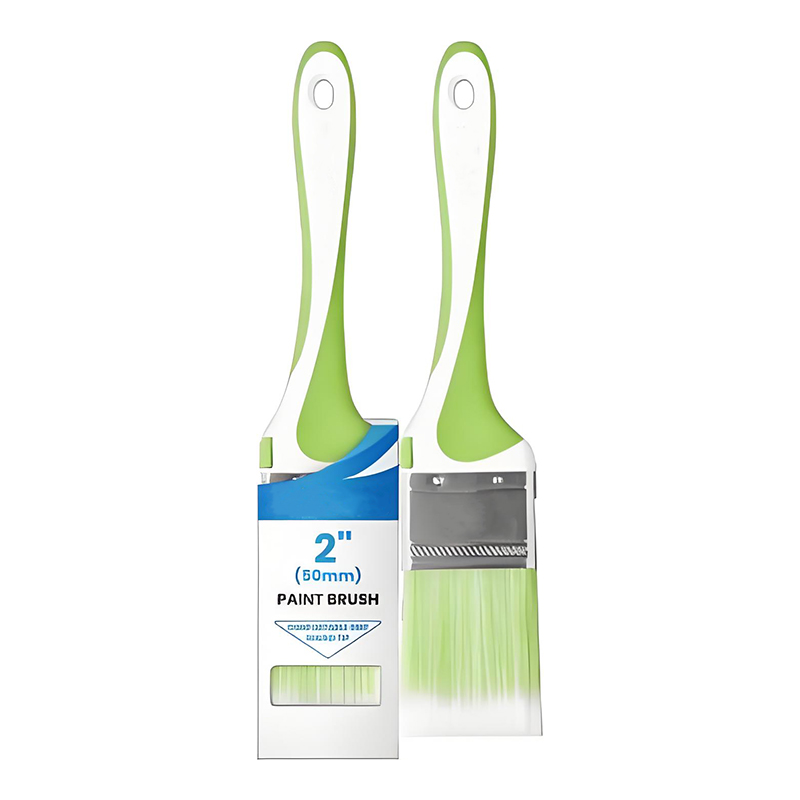
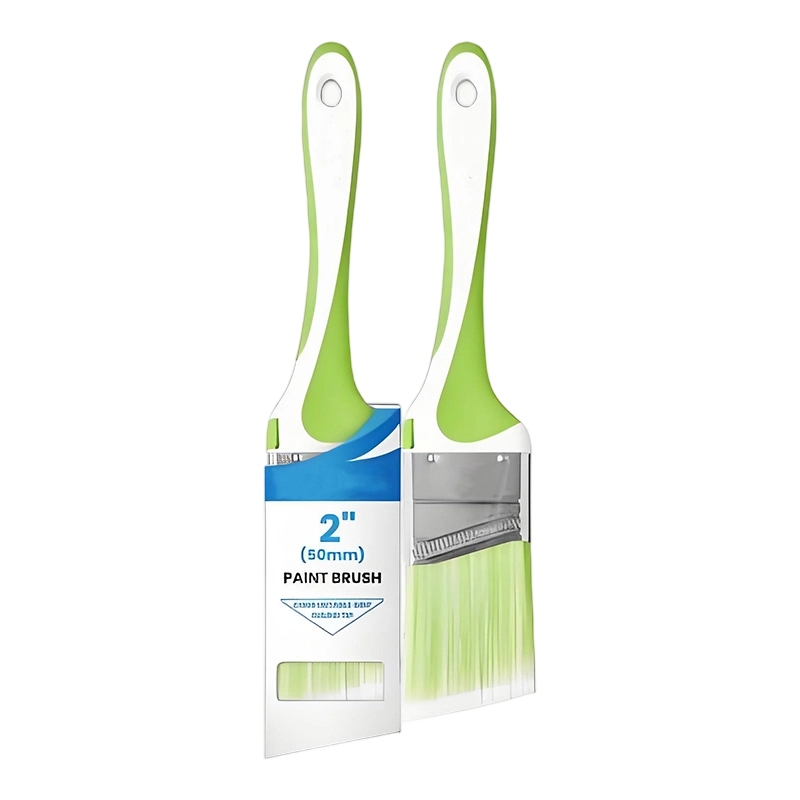
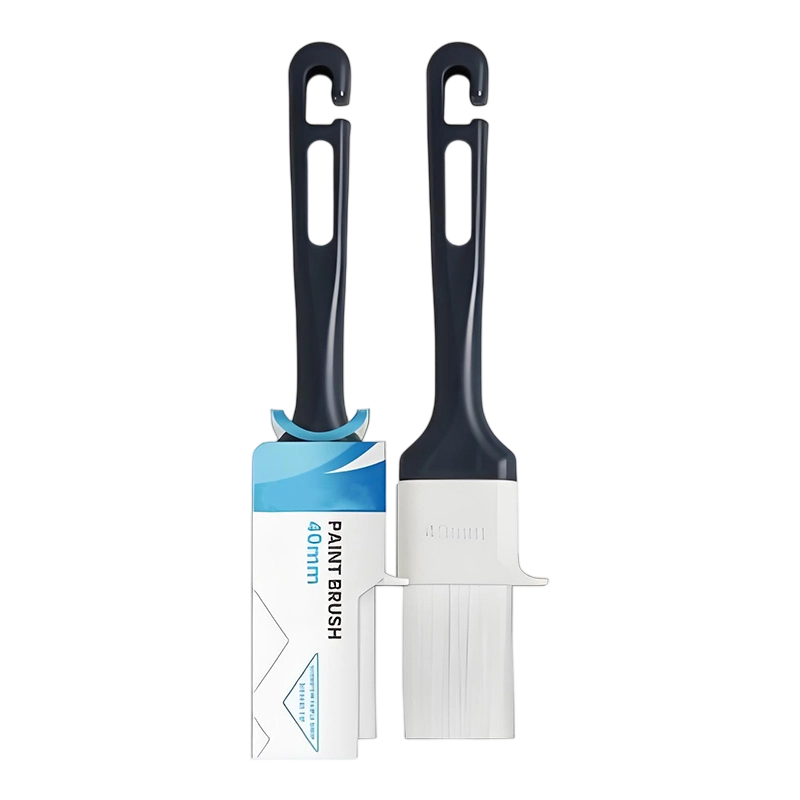
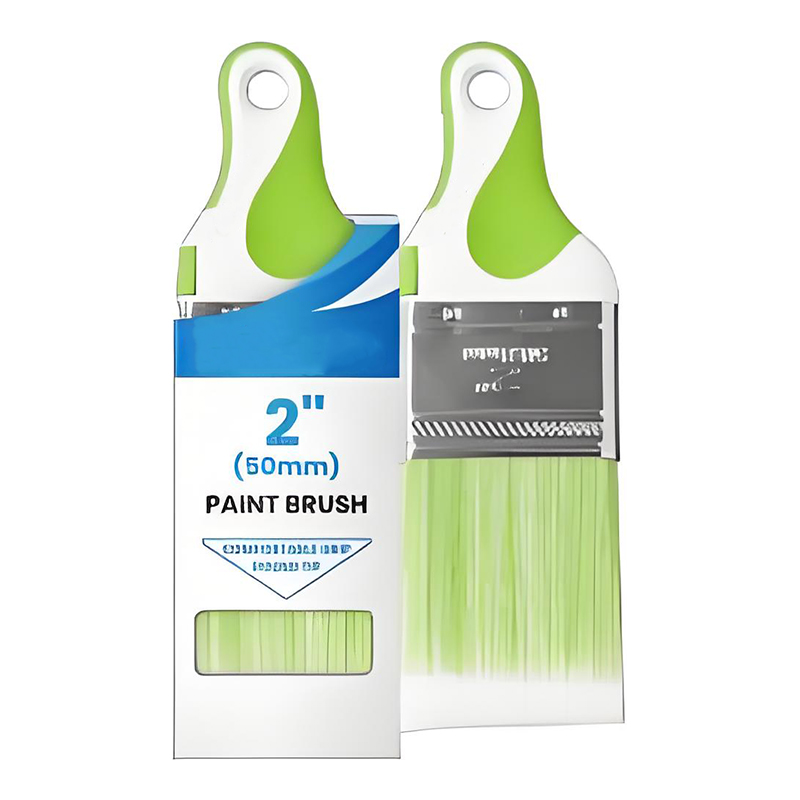
The Paint Roller Cover is the clearly better tool for painting large flat ceilings because it covers far more surface area per stroke, holds significantly more paint, and produces a more uniform, streak-free finish than...
Read More Wall Paint Brushes Manufacturers
-
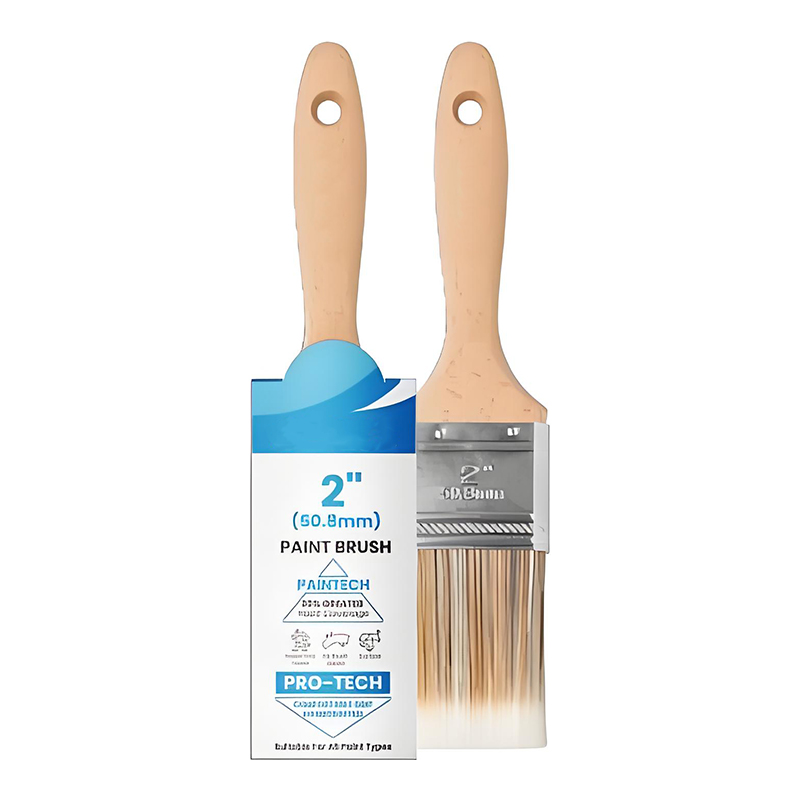
Flat Beech Handle Paint BrushFlat Beech Handle Paint Brush is designed for smooth application and lasting performance.Handle: Cra...
-
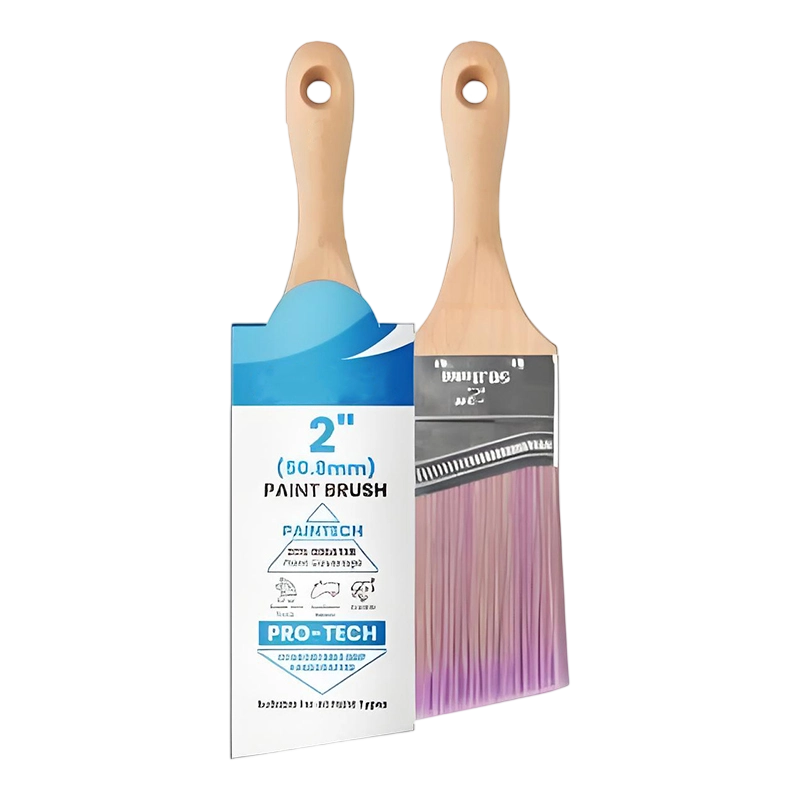
Angled Beech Handle Paint BrushThis angled beech handle paint brush combines the strength of beech wood with the precision of angle...
-
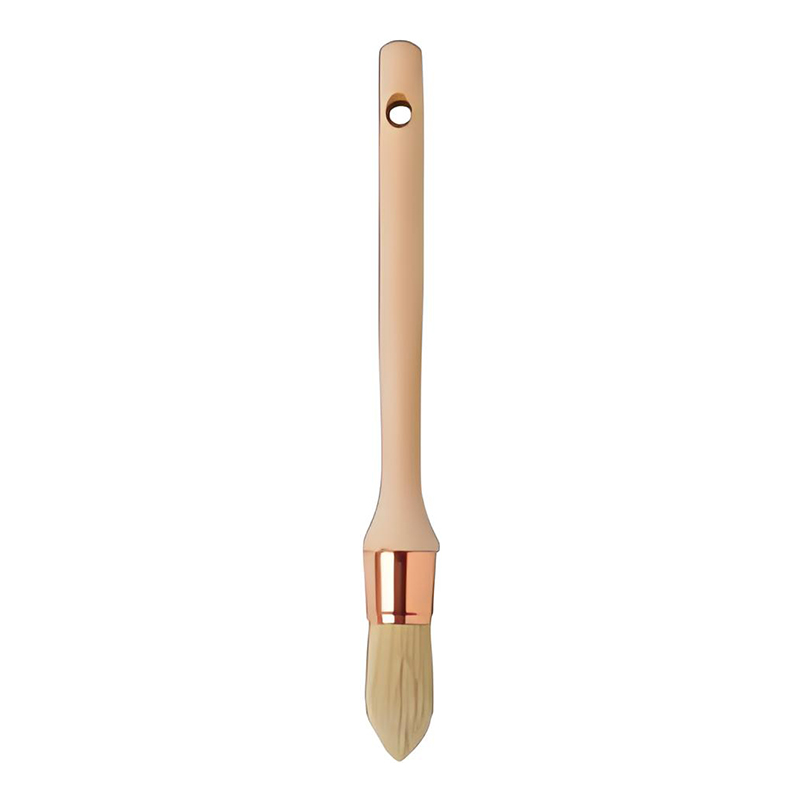
Point Beech Handle Paint BrushPoint Beech Handle Paint Brush uses high-quality synthetic bristles that are highly absorbent and ab...
-
Angled Short Handle Paint BrushThe angled short handle paint brush features bristles at an angle between 30° and 45°, which makes p...
-
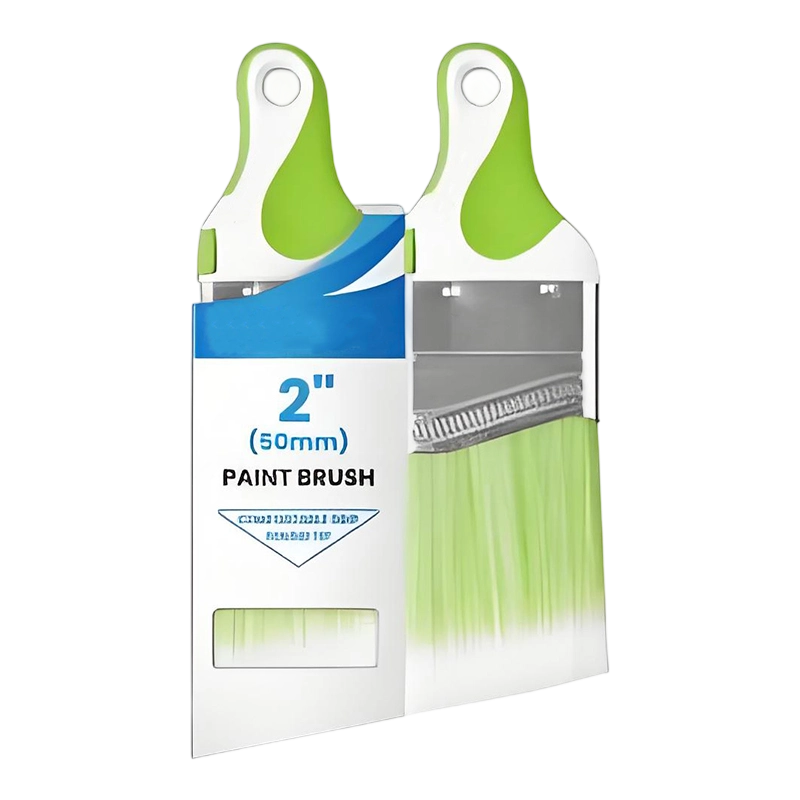
Flat Rubber Coated Handle Paint BrushThe flat rubber coated handle paint brush has a user-friendly design that combines the sturdiness of...
-
Angled Rubber Coated Handle Paint BrushThe angled rubber coated handle paint brush features synthetic bristles that are stiff enough to eff...
-
Flat Plastic Handle Paint BrushThe flat plastic handle paint brush features an ergonomic design. The plastic handle reduces hand fa...
-
Flat Short Handle Paint BrushThe flat short handle paint brush has a sturdy and compact handle. The short handle allows the user ...
Paint brushes are essential tools for applying coatings like paint, varnish, or stain to various surfaces, widely used in construction, woodworking, furniture refinishing, and DIY projects. High-quality paint brushes feature durable bristles (natural or synthetic), ergonomic grips, and sturdy ferrules, ensuring excellent paint retention, smooth application, and minimal shedding. From broad strokes to detailed edges, different brush shapes (e.g., flat, angled) cater to diverse needs. Premium brushes are also easy to clean and reusable, making them ideal for both professional and home use. Choosing the right paint brush enhances efficiency and delivers flawless finishes.
About Us
Ningbo Bestar Paintech Co.,Ltd.
Ningbo Bestar Paintech Co.,Ltd. is a manufacturer of high-quality professional and DIY painting tools and accessories in China, located in the Ningbo Port area. Specializing in paint rollers, brushes, extension poles, and other related products, we proudly serve top global paint producers, major retailers, and private brands. As a famous China Wall Paint Brush Manufacturers and Handle Paint Brush Factory, with three facilities and over 350 experienced employees, we offer competitive pricing, timely delivery, and stable quality. Our unique advantage lies in our dedicated R&D team, which develops advanced automatic machines for roller frames and covers, holding over 50 patents in both products and machinery.
News
-
-
The clear conclusion is that a swivel-head paint roller handle performs significantly better than a fixed-head paint roller handle when reaching corners and edges, especially in tight or irregular spaces. The swivel mec...Read More
-
The wall paint brush with flagged (split-tip) bristles does hold and release paint more evenly than unflagged synthetic bristle brushes, and the difference is measurable in both performance and finish quality. Flagged b...Read More
-
The anti-shed Paint Roller Cover generally outperforms a standard synthetic roller sleeve in long-duration painting projects. Its primary advantage is the ability to minimize fiber loss throughout extended use, resultin...Read More
Paint Brush Industry knowledge
Ergonomics of Handle Paint Brushes: Maximizing Comfort and Reducing Strain
Ergonomics is the science of designing tools and systems that improve comfort and efficiency. In the case of handle paint brushes, ergonomics refers to how the brush’s handle design influences our hand, wrist, and arm movement during use. An ergonomic brush handle ensures that our grip remains relaxed and natural, preventing muscle strain. By considering factors like the material, shape, and size of the handle, manufacturers can create brushes that make the act of painting easier and more comfortable. Brushes with ergonomic handles reduce the need for excessive grip force, providing better control over the brush strokes and minimizing the risk of repetitive stress injuries. A good ergonomic design means that we can maintain a secure grip without overexerting the hand or wrist, ensuring that we can work for long hours without feeling the fatigue that often comes with poorly designed tools. An ergonomic paintbrush helps improve the quality of our work by allowing us to focus more on precision, as the physical discomfort of handling the brush is minimized. This is why choosing an ergonomic handle paintbrush is essential for both professionals and DIY painters alike, ensuring comfort and efficiency throughout the project.
The shape and size of a paintbrush handle play a crucial role in how we hold the brush and how much force is required to maintain a comfortable grip. A handle that is too thin or too thick can force us to squeeze harder than necessary, which leads to hand fatigue and discomfort. The ideal ergonomic handle has a shape that fits comfortably within the natural contours of our hand. A slightly tapered design encourages us to maintain a relaxed grip while still providing control over the brush. When the handle is designed correctly, it fits snugly in our hand, and we don’t have to work against the brush in order to maintain a secure hold. Size is also important—too short, and it might not offer enough leverage for more extensive projects, and too long can make the brush unwieldy. Length is often dictated by the type of project: for detailed painting, a shorter handle allows for precise control, whereas longer handles are better suited for large-scale tasks, such as painting walls or ceilings. The right balance between these factors allows us to achieve both comfort and control.
The material used in the handle of the paintbrush significantly affects both its comfort and functionality. The texture and weight of the handle play a crucial role in our overall experience while painting. Traditional wooden handles are known for their durability and natural feel. They provide a solid, comfortable grip, but they can sometimes become slippery when wet, which can result in reduced control, especially during long or heavy-duty painting sessions. To address this issue, many modern paintbrushes are designed with plastic or rubberized handles. These materials offer better grip, are lighter in weight, and are more resistant to moisture, ensuring that we maintain control even when the brush gets wet. The addition of textured surfaces or non-slip coatings further enhances grip, particularly during more strenuous tasks. Rubberized grips, for example, allow us to hold the brush firmly without exerting unnecessary force, which reduces the strain on our fingers and wrists. The choice of material directly impacts how comfortable the brush feels, especially during long sessions. If the material is too harsh or rough, it can irritate our skin or cause discomfort. On the other hand, materials that are too soft may lack durability or fail to provide a secure grip. Ningbo Bestar Paintech Co., Ltd. uses high-quality materials in their brushes, ensuring that we experience the perfect balance of comfort and control, even during the most demanding projects.
An often overlooked but critical factor in ergonomic brush design is the distribution of weight. The weight of a paintbrush affects not only how easily we can hold and maneuver the brush but also how much effort we need to exert in order to maintain control. If the weight is not properly balanced, we might find ourselves struggling to keep the brush steady or forcing the wrist and fingers to adjust constantly. A well-balanced paintbrush distributes the weight evenly across the entire tool, allowing us to handle it without excessive effort. A brush that is too heavy at the head or too light at the handle can cause strain, especially when we need to work for extended periods. Proper weight distribution helps us maintain a relaxed grip, reducing the need for muscle force and allowing us to work more efficiently. When the brush is balanced, we can focus more on the application of paint and less on managing the brush itself. This reduces fatigue and allows us to paint longer without discomfort. Manufacturers like Ningbo Bestar Paintech Co., Ltd. understand that balance is key and ensure that their brushes are designed to optimize weight distribution, enabling us to work with greater ease and comfort.
Repetitive strain injuries (RSI) are common among painters, especially those who engage in repetitive motion for long hours. RSI can manifest as conditions such as carpal tunnel syndrome, tendonitis, or other musculoskeletal disorders that affect the wrist, hand, and arm. These injuries occur when we repeatedly perform the same motion without adequate rest or support, leading to the wear and tear of muscles, tendons, and nerves. One of the most effective ways to prevent RSI is by using ergonomic tools that minimize the strain on our hands and wrists. An ergonomic handle paint brush is designed to promote a neutral wrist position and reduce the need for excessive gripping force. Brushes with comfortable handles reduce the risk of RSI by allowing us to maintain a relaxed grip and natural hand movement, even during extended painting sessions. Brushes that are too heavy, too rigid, or poorly balanced force us to adjust our natural movements, putting unnecessary stress on our wrists and hands. By adopting brushes with ergonomic handles, we can reduce the likelihood of developing these injuries. Ningbo Bestar Paintech Co., Ltd. integrates ergonomic design features into their brushes to prevent strain, helping painters stay comfortable and healthy while working on both small and large projects.
Every person’s hand is different, and what may feel comfortable to one person might not feel the same for another. Customization options are an essential component of ergonomic design, allowing us to select the handle that best fits our needs. Adjustable grips, varying handle lengths, and customizable materials can all contribute to a more personalized painting experience. Customization ensures that we can find a paintbrush that matches the size and shape of our hands, as well as the specific painting tasks we need to complete. For example, professional painters may prefer a longer handle for better reach and leverage, while someone working on detailed touch-ups may need a brush with a shorter, more controlled handle. Some people may also prefer softer or firmer grips, depending on their hand strength and personal preferences. Manufacturers like Ningbo Bestar Paintech Co., Ltd. offer customized ergonomic brushes that allow us to select features based on comfort, grip, and control, ensuring a more personalized experience for every user. Customizing our tools not only enhances comfort but also boosts our efficiency, as the brush is tailored to meet our specific physical requirements.
When we paint for an extended period, the risk of hand and wrist strain increases. However, this can be minimized through smart ergonomic design. Paintbrushes that are designed with an ergonomic grip allow us to use the brush without clenching our hand or forcing our wrist into awkward positions. A well-designed handle ensures that the hand can rest naturally, with minimal tension required to maintain a grip. For instance, padded grips or contoured handles provide support, reducing the need for excessive pressure on our fingers or palms. Some ergonomic designs feature a slight curve, which helps guide the hand into a more relaxed position. The angle of the handle is another important factor—by positioning the handle in a way that aligns with the natural motion of our wrist, we avoid straining muscles and tendons. Brushes that are too stiff or rigid may force us to adjust our wrist angle constantly, resulting in discomfort. A brush with a flexible, ergonomic handle encourages a more fluid and natural motion, reducing the risk of fatigue or discomfort. Ningbo Bestar Paintech Co., Ltd. takes these considerations into account, ensuring that their brushes are designed to minimize wrist and hand strain, offering users a more comfortable painting experience.

Enter your information for exclusive offers and latest news.
Product
Contact Info
-
 No.266, Lanhai 2nd Road, Binhai Economic Development Zone, Cixi 315311, Ningbo, Zhejiang, China
-
 +86-574-86117676
+86-18968269871 -
 +86-15921901625
-
 E-mail: [email protected]
[email protected]
Copyright © Ningbo Bestar Paintech Co.,Ltd. Rights Reserved.
