English
 Español

How to Prevent Lint Shedding from a New Paint Roller Cover
The most effective way to prevent lint shedding from a new Paint Roller Cover is to wash or rinse the roller cover before use, remove loose fibers with masking tape, and select a high quality lint resistant roller material. Pre cleaning removes manufacturing debris, while tape rolling captures loose fibers that could otherwise stick to painted surfaces. When these steps are combined with proper roller selection and correct painting technique, lint contamination can be reduced by more than 80 percent during application.
Many painters encounter lint shedding when using a new Paint Roller Cover because the fabric fibers are not fully stabilized during manufacturing. These loose fibers detach during the first contact with paint and surface friction. Fortunately, several practical preparation methods can eliminate most lint before painting begins. Understanding why shedding occurs and how to control it will significantly improve paint finish quality.
Why a New Paint Roller Cover Sheds Lint
Lint shedding occurs because the fabric pile on a Paint Roller Cover contains thousands of short fibers that are woven or bonded into the roller core. During production and packaging, some of these fibers remain loose. When the roller is first used, mechanical friction and paint moisture release these fibers onto the painted surface.
Several factors influence how much lint a Paint Roller Cover sheds during use. Lower cost rollers typically use loosely bonded synthetic fibers, which increases shedding. Higher density fabrics and better manufacturing techniques can significantly reduce loose fibers.
- Low density fabric construction
- Poor quality adhesive bonding
- Loose fibers left from manufacturing
- Improper storage or packaging compression
Professional painting contractors often report that inexpensive rollers can shed up to 5 to 10 times more lint compared with professional grade microfiber or woven fabric rollers. This difference directly affects the final paint appearance.
Step by Step Preparation for a New Paint Roller Cover
Rinse the Paint Roller Cover Before Use
The simplest preparation method is rinsing the Paint Roller Cover with clean water before painting. Water removes loose fibers that were not secured during manufacturing. After rinsing, spin or shake the roller to remove excess water and allow it to become slightly damp before loading paint.
Use Masking Tape to Remove Loose Fibers
Another effective technique is wrapping masking tape around the Paint Roller Cover and rolling it across the surface several times. The adhesive surface pulls away loose lint without damaging the fabric pile. Professional painters commonly repeat this step two or three times to ensure that most loose fibers are removed.
Vacuum the Roller Surface
Using a household vacuum cleaner with a brush attachment can also remove lint from a Paint Roller Cover. This method works particularly well for thick nap rollers designed for textured walls.
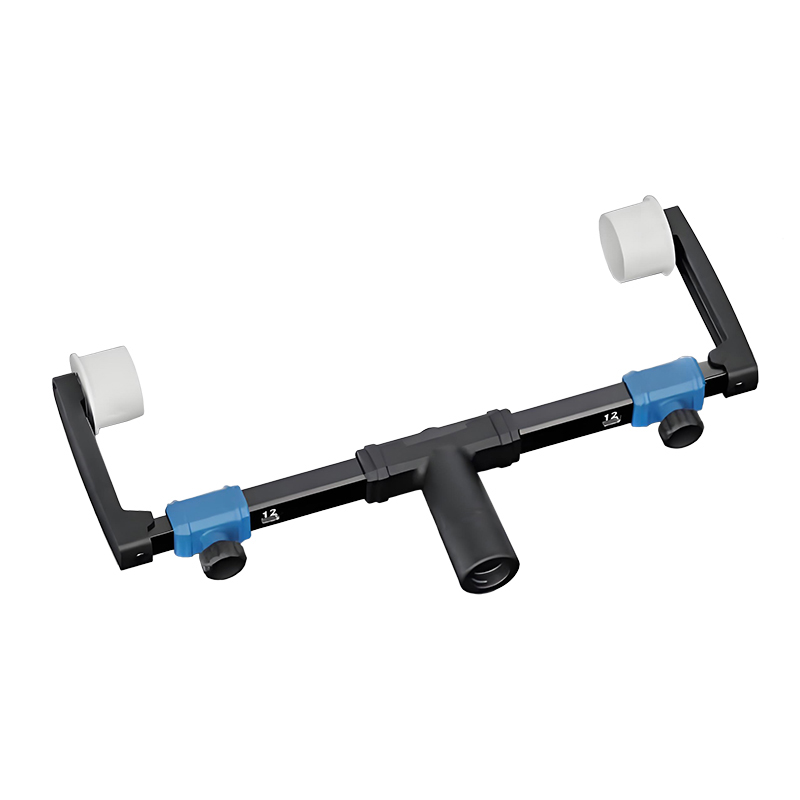
- Attach the roller cover to a frame
- Use a vacuum brush to gently rotate across the surface
- Rotate the roller to reach all sides
- Repeat until no loose fibers appear
Combining rinsing and tape removal typically eliminates over 90 percent of loose lint before the first paint application.
Choosing a Low Lint Paint Roller Cover
Preventing lint problems begins with choosing the right Paint Roller Cover material. Different fabrics behave differently during paint application. High density woven fibers hold paint more evenly and resist shedding better than loosely bonded fabrics.
| Roller Material | Lint Resistance | Typical Use |
|---|---|---|
| Microfiber | Very High | Smooth interior walls |
| Woven Polyester | High | General interior painting |
| Polyester Knit | Moderate | Budget painting projects |
| Natural Wool | High | Oil based coatings |
Professional painters frequently choose microfiber roller covers because they combine high paint capacity with excellent lint resistance. These rollers can release paint smoothly while leaving minimal fiber residue on the wall surface.
Painting Techniques That Reduce Lint Problems
Even a well prepared Paint Roller Cover can shed fibers if improper painting techniques are used. The way the roller is loaded with paint and applied to the wall plays a major role in preventing lint transfer.
- Avoid pressing the roller too hard against the wall
- Load the roller evenly with paint before application
- Use slow controlled rolling motions
- Roll in consistent vertical or W shaped patterns
Applying excessive pressure causes fibers to break free from the Paint Roller Cover fabric. Maintaining moderate pressure allows the roller nap to glide across the surface while distributing paint evenly. Experienced painters estimate that proper pressure control can reduce fiber shedding by approximately 30 to 40 percent.
Common Mistakes That Cause Paint Roller Cover Lint Shedding
Many lint problems occur because painters skip preparation steps or use unsuitable roller covers for the surface being painted. Understanding these common mistakes helps prevent finish defects.
- Using a new Paint Roller Cover without rinsing or cleaning
- Choosing low quality rollers with weak fiber bonding
- Applying too much pressure during rolling
- Using the wrong nap length for the wall texture
For example, using a thick nap roller intended for rough surfaces on smooth drywall can increase fiber contact with the wall. This mismatch significantly raises the chance of lint being deposited in fresh paint.
Final Thoughts on Preventing Paint Roller Cover Lint
Preventing lint shedding from a new Paint Roller Cover is mainly a matter of preparation and proper product selection. Simple steps such as rinsing the roller, using masking tape to remove loose fibers, and selecting high density fabrics can dramatically reduce the risk of lint contamination. When combined with controlled painting techniques and the correct nap length, these methods produce smoother finishes and more professional results.
For most interior painting projects, spending a few minutes preparing a new Paint Roller Cover can save hours of correction work later. A properly prepared roller cover delivers cleaner paint application, better coverage, and a noticeably smoother final surface.