English
 Español

Bristle Density Determines Coverage and Smoothness
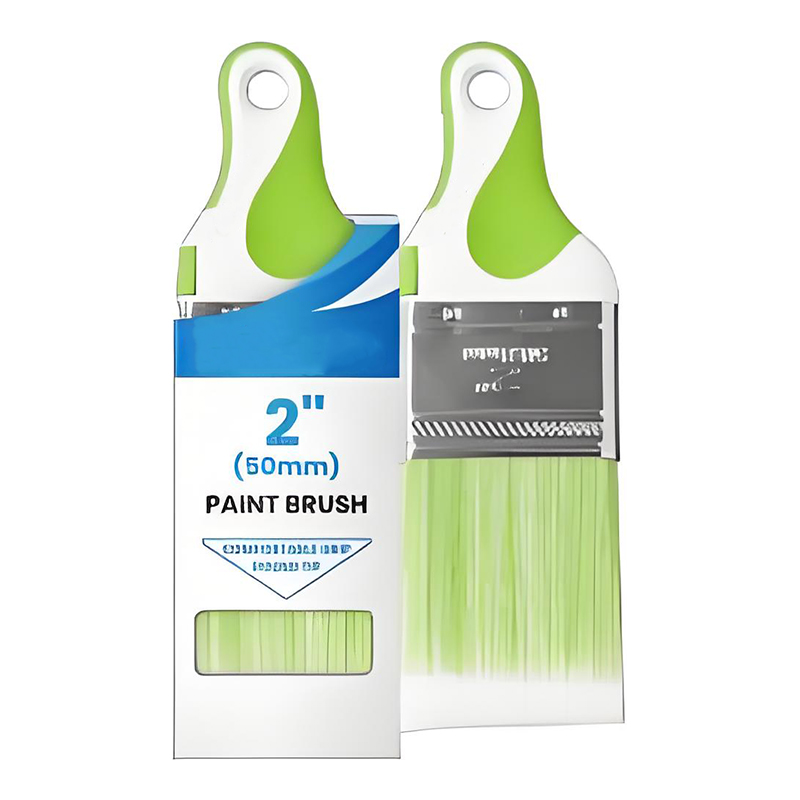
The density of bristles on a Wall Paint Brush directly affects paint coverage and streaking. Brushes with higher bristle density hold more paint and distribute it evenly, minimizing streaks. Conversely, low-density brushes may leave visible lines and require additional coats.
Understanding Bristle Density
Bristle density refers to how tightly the bristles are packed in the brush head. It influences:
- Paint retention: Denser brushes hold up to 30% more paint.
- Smooth application: Closely packed bristles apply paint evenly, reducing streaks.
- Edge control: Higher density brushes maintain sharp edges during cutting in.
Impact on Paint Coverage
A dense Wall Paint Brush can cover approximately 15–20% more wall area per stroke compared to a low-density brush. This efficiency is especially noticeable on large flat surfaces.
| Bristle Density | Paint Retention (ml) | Coverage per Stroke (m²) |
|---|---|---|
| Low Density | 12 | 0.8 |
| Medium Density | 18 | 1.0 |
| High Density | 24 | 1.2 |
Effect on Streaking and Finish
Brushes with higher bristle density reduce streaking because more bristles contact the wall simultaneously, evening out paint distribution. Low-density brushes often leave thin gaps, resulting in uneven color and texture.
- High-density: Minimal streaks, smooth professional finish.
- Medium-density: Acceptable finish, may require 2–3 coats.
- Low-density: Visible streaks, uneven texture, more labor-intensive.
Choosing the Right Density for Your Project
For smooth interior walls, high-density Wall Paint Brushes are recommended. For textured or uneven walls, medium-density brushes may better adapt to surface contours while still providing decent coverage.
- Assess wall type: Flat walls benefit from high-density brushes; textured walls may need medium density.
- Consider paint type: Thicker paints require denser brushes to avoid patchiness.
- Factor in project size: Larger walls save time with brushes that retain more paint per stroke.