English
 Español

Improved Grip and Control
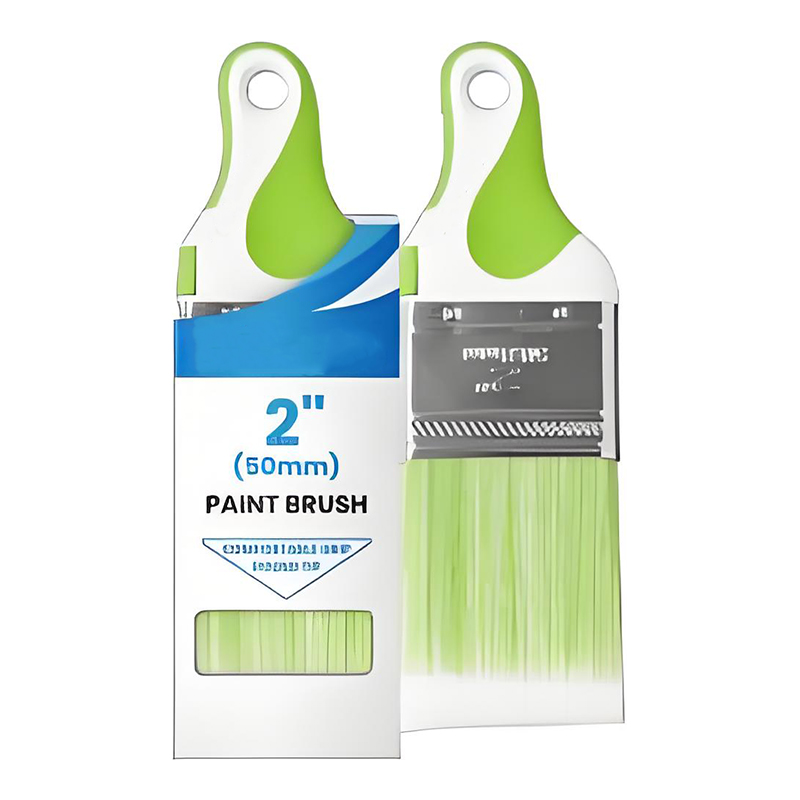
The rubber coating on the handle of a paintbrush significantly enhances the user's ability to maintain control during painting tasks. Unlike wooden handles, which can become slippery when exposed to moisture, sweat, or paint, the rubber coating provides a secure, non-slip surface that keeps the brush firmly in hand, even under less-than-ideal conditions. This improved grip is especially valuable during intricate tasks such as trimming or fine detailing, where precision and steady strokes are essential. The tactile nature of rubber enhances control, reducing the risk of the brush slipping or swaying mid-stroke, ensuring that the user can apply consistent pressure and create clean, even lines. Whether working on a delicate surface or during long hours of continuous painting, the ability to maintain a firm grasp allows for better accuracy and smoother results.
Increased Comfort
Rubber-coated handles are ergonomically designed to provide superior comfort during extended painting sessions. Wooden handles, while functional, often lack the ergonomic benefits that a rubber-coated brush can offer. The soft yet firm cushioning of rubber helps reduce strain on the hand and wrist by distributing pressure more evenly across the grip. This is particularly beneficial for large-scale painting projects or tasks requiring repeated motions, such as wall painting or trim work, where wooden handles might cause fatigue and discomfort after prolonged use. Additionally, the flexibility of the rubber allows for a more natural grip, making it easier to maintain a relaxed and comfortable hold. This reduction in discomfort contributes to a more enjoyable painting experience, especially during long, physically demanding projects.
Durability and Resistance to Wear
One of the most notable advantages of a Rubber-Coated Handle Paint Brush is its enhanced durability compared to traditional wooden brushes. Wooden handles, while sturdy, are more susceptible to damage from exposure to moisture, temperature fluctuations, and general wear. Over time, wooden handles may absorb water, leading to swelling, splitting, or even cracking, which compromises the integrity of the brush. On the other hand, the rubber coating acts as a protective layer, preventing the handle from absorbing moisture, thus eliminating the risk of these issues. This resistance to environmental factors helps maintain the shape, integrity, and strength of the handle for a longer period, ultimately resulting in a more durable product. The rubber coating protects the brush from abrasion and scratching, ensuring that the brush remains functional and aesthetic throughout its lifespan, even with repeated use in challenging conditions.
Resistance to Mold and Mildew
Wooden handles are more prone to mold and mildew growth when exposed to high humidity or moisture because the wood can absorb water. This can lead to an unsanitary, unhygienic tool that may compromise both the appearance and performance of the brush. Rubber-coated handles, by contrast, are non-porous and water-resistant, preventing moisture from being absorbed. This characteristic makes the rubber-coated brush highly resistant to the development of mold or mildew, particularly in humid environments such as kitchens, bathrooms, or when working outdoors in damp weather. The ability to resist mold growth ensures that the brush remains cleaner and hygienic, which is particularly important in areas requiring frequent use of cleaning materials or exposure to wet conditions. This resistance to mold also ensures the brush’s long-term usability in environments where traditional brushes might degrade or become unusable over time.
Easy to Clean and Maintain
The smooth, non-porous surface of the rubber coating makes cleaning and maintaining a paintbrush much easier compared to wooden handles. Wooden brushes can retain paint splatters and dirt in small crevices, requiring more effort to clean thoroughly. In contrast, the rubber-coated handle is easily wiped clean with a damp cloth or mild cleaner, ensuring that paint residue or dirt is removed quickly and efficiently. The smooth surface prevents paint from sticking or drying in the first place, which makes cleaning even faster. This ease of cleaning ensures that the brush maintains both its aesthetic appearance and functional performance over time. By making cleaning quicker and easier, rubber-coated handles help users maintain their tools without the need for specialized cleaning techniques or frequent replacement, reducing overall maintenance effort.
Resistance to Temperature Fluctuations
Another significant advantage of rubber-coated handles is their ability to withstand temperature fluctuations. Wooden handles are sensitive to changes in temperature, which can cause them to expand or contract. When exposed to cold temperatures, wooden handles may become brittle, and in hot conditions, they can become uncomfortably warm or even warped. Rubber, however, is less susceptible to these issues, offering a more consistent feel regardless of the surrounding temperature. The rubber coating maintains a comfortable grip in both hot and cold environments, ensuring that the user can continue painting comfortably. This makes the brush more suitable for outdoor work or for projects in areas where temperature fluctuations are common. Whether working on a hot summer day or a cold winter morning, the rubber-coated handle remains comfortable to hold, helping to improve the overall user experience in a variety of conditions.
Ergonomic Design
The ergonomic design of many rubber-coated brushes takes user comfort and performance into account. Unlike traditional wooden handles, which often have a uniform and rigid shape, rubber-coated handles are often designed with ergonomic contours that fit more naturally into the hand. This design promotes a more relaxed and comfortable grip, reducing strain on the wrist and fingers during long painting sessions. The ergonomic shape helps the user maintain a more neutral wrist position, which can decrease the risk of repetitive strain injuries, such as carpal tunnel syndrome, when the brush is held for extended periods. The added comfort and reduced strain from the ergonomic design make rubber-coated brushes ideal for people who need to paint for hours at a time, enhancing overall productivity and reducing the likelihood of fatigue.