English
 Español

Enhanced Grip and Control
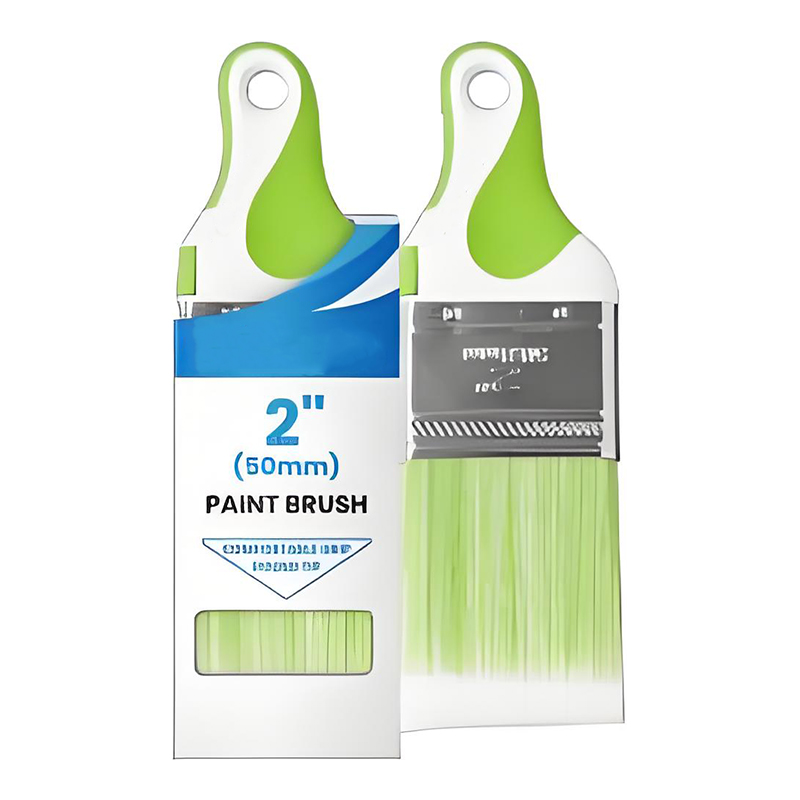
In humid or wet environments, moisture from the air, sweat, or exposure to paint and solvents can cause traditional brush handles, such as those made from wood or plastic, to become slippery. This significantly affects the user's ability to maintain control over the brush, especially during long or intricate painting sessions. The rubber coating on the handle addresses this issue by providing a highly effective, non-slip surface. The grip of the rubber coating ensures that users can hold the brush securely, even when their hands are damp or coated with paint, which is especially important for tasks that require precision, like trim work or fine detailing. The tactile texture of rubber ensures that users can apply consistent pressure and maintain steady strokes, leading to more accurate and controlled painting. The slip-resistant nature of the rubber helps reduce the risk of accidental brush slippage, which could result in undesirable paint splashes or uneven coverage.
Increased Comfort
Humidity and damp environments can make it uncomfortable to work with traditional handles, which can become slick or cold to the touch. The rubber coating improves comfort during prolonged use by offering a soft, ergonomic grip that reduces hand strain and fatigue. Unlike wooden or metal handles that might cause discomfort after extended use, a rubber-coated handle helps distribute pressure more evenly across the palm and fingers. This results in greater comfort for the user, especially during long painting sessions in humid or wet conditions where continuous pressure on the handle might otherwise cause discomfort. The ergonomic design of rubber-coated handles is also better suited for different hand sizes, promoting a more natural and relaxed grip that is less tiring over time, making it easier to maintain consistent application and control throughout a painting job.
Durability and Longevity
Paintbrushes are frequently exposed to moisture and solvents, which can negatively affect the performance of traditional materials like wood or metal. Wooden handles can absorb water, leading to swelling, warping, or splitting, while metal handles may be prone to rusting or corroding when exposed to moisture. In contrast, the rubber coating acts as a protective barrier that shields the underlying material from moisture. This is particularly important in humid or wet environments where constant exposure to moisture could degrade the quality of the brush. Rubber is naturally resistant to swelling or splitting, and the coating provides extra protection against rust or other forms of corrosion. Over time, this ensures the brush remains intact and functional even after repeated use in moist environments, contributing to the brush's extended lifespan. This enhanced durability is an important factor when considering long-term performance and value for money.
Resistance to Mold and Mildew
In high-moisture environments, such as bathrooms, kitchens, or exterior painting jobs in wet conditions, there is a significant risk of mold and mildew growth. Wooden handles can absorb moisture, providing an ideal environment for mold spores to flourish. The rubber coating on the handle of the Rubber-Coated Handle Paint Brush is non-porous and water-resistant, preventing the absorption of moisture that could lead to mold growth. This makes the brush easier to maintain and more hygienic, particularly in environments where excess moisture is prevalent. Furthermore, because the rubber is water-resistant, the brush remains cleaner and free from microbial contamination, ensuring that the brush remains safe and sanitary over time. This resistance to mold and mildew ensures that the brush handles remain safe and hygienic, enhancing the overall user experience in wet environments.
Easy to Clean
Humid and wet conditions often involve exposure to moisture and paint splatters, both of which can quickly accumulate on a brush. Cleaning brushes with wooden or plastic handles can sometimes be challenging, especially when paint residue clings to the surface. The rubber coating on a paintbrush makes it significantly easier to clean because it has a smooth, non-porous surface that resists paint buildup. Water-based paints, solvents, and other substances can be quickly wiped off the rubber handle, ensuring that the brush remains free from stains or excess paint residue. The ease of cleaning is especially beneficial when working in environments with high humidity, where moisture might cause paint to dry quicker or become more stubborn to remove. Cleaning and maintaining the brush handle is essential for ensuring that the brush remains functional and aesthetically pleasing over time. The rubber coating helps maintain the brush’s appearance, making it look newer for longer, and ensures the brush performs at its best after each use.
Resistance to Temperature Fluctuations
High humidity often goes hand in hand with temperature fluctuations, especially when working in outdoor environments or poorly ventilated spaces. Real wood handles are particularly sensitive to temperature changes, with the potential for expansion and contraction due to humidity or extreme temperatures. These fluctuations can lead to the warping or cracking of the handle. The rubber coating on the handle of the Rubber-Coated Handle Paint Brush offers a layer of resilience that prevents such issues. Rubber is less likely to expand, contract, or become brittle in response to temperature fluctuations. This means the handle will retain its integrity and comfort under a wide range of environmental conditions, ensuring that the brush remains comfortable to use in both hot and cold temperatures. The durability of rubber in these conditions ensures the longevity of the brush, even in environments where other materials might degrade.