English
 Español

-
Clean and Prepare the Surface — The foundation of effective edge sealing for Paint Masking Film begins with thorough surface preparation. Any dust, oil, grease, or moisture on the substrate can compromise adhesion and create micro-gaps where paint may seep underneath. For metallic surfaces, degreasing with a suitable solvent or cleaner is recommended, while wooden or plastic substrates may require gentle cleaning with mild detergent and water, followed by complete drying. Proper surface preparation ensures the adhesive on the masking film or tape fully bonds with the substrate, providing a continuous barrier that reduces the risk of bleed. Smooth, clean surfaces prevent air pockets under the film, which can otherwise cause uneven adhesion and localized paint leakage. Preparing the surface properly is especially critical in high-precision applications such as automotive finishes, industrial coatings, or fine furniture painting, where even minor paint bleed can compromise the final appearance.
-
Apply the Film with Minimal Tension — When positioning Paint Masking Film over the intended surface, it is essential to avoid stretching or over-tensioning the material. Stretching the film can lead to shrinkage, lifting, or warping as the film relaxes or is exposed to heat during painting, creating channels for paint to penetrate beneath the edges. Instead, lay the film carefully and allow it to conform naturally to the contours of the surface. Smooth the film progressively with gentle hand pressure, paying special attention to corners, curves, and irregular geometries, to ensure consistent contact and adhesion. Proper handling minimizes the formation of micro-gaps, reduces the risk of wrinkles, and maintains the integrity of the film across complex surfaces.
-
Overlap with Precision — In applications where multiple sheets of Paint Masking Film are required, the edges must be overlapped in a controlled manner, typically by 1–2 inches (2.5–5 cm), to create an uninterrupted barrier against paint. This overlap should be sufficient to cover all gaps while avoiding excessive layering, which can produce ridges or uneven surfaces that interfere with paint application. Precision in overlapping is especially important for automotive or industrial projects, where high-pressure spray systems can force paint into even small openings. Properly measured and aligned overlaps ensure complete coverage, minimize post-paint touch-ups, and maintain the professional quality of the finished work.
-
Seal Edges with Compatible Masking Tape — To enhance edge protection, high-quality masking tape should be applied along all overlaps and perimeters of Paint Masking Film. Automotive-grade or painter’s tape is typically preferred for delicate surfaces because it adheres securely without leaving residue. Low-tack, flexible tapes conform easily to curves and irregular geometries without stretching the film, which is critical to avoid creating gaps. Firmly pressing the tape along the edges of the film forms a continuous seal that prevents paint from seeping underneath. In applications where precision is paramount, such as decorative trim or multi-color designs, edge sealing with tape ensures crisp, well-defined paint lines.
-
Use a Squeegee or Roller to Press Edges — After applying the film and tape, a squeegee, soft roller, or gloved hand should be used to press the film and tape edges firmly against the surface. This step removes any trapped air and reinforces adhesion along the entire perimeter, creating a smooth, continuous barrier against paint penetration. Proper squeegeeing ensures that even edges on curved or textured surfaces are fully secured, reducing the risk of bleed during high-pressure spray operations. In professional workflows, consistent edge pressing is considered a critical step in maintaining high-quality masking results.
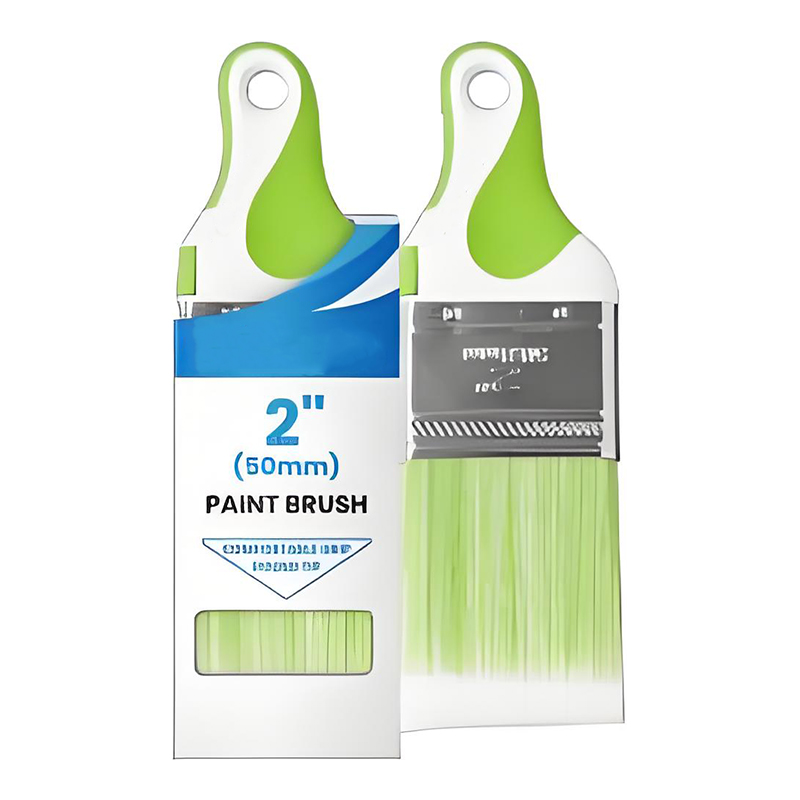
WHY IS THE PAINT BRUSH ESSENTIAL AND WHAT IS ITS CORE VALUE?
A. Introduction to Paint Brushes (Paint Brush)
The Paint Brush is one...
Read More