English
 Español

Paint & Finish Guide
Oil-Based or Water-Based —
The Brush You Choose Changes Everything
Bristle material is not a matter of preference. It is chemistry meeting craft — and the wrong pairing is the quiet reason so many finishes fall short of the result they were meant to have.
The Short Answer
For oil-based paints, the best choice is a natural bristle brush, typically made from hog or ox hair, because natural fibers absorb and release oil-based formulas smoothly without swelling or going limp. For water-based paints, including latex and acrylic finishes, a synthetic bristle brush made from nylon, polyester, or a nylon-polyester blend performs best because these fibers resist water absorption and keep their shape wash after wash.
Using the wrong pairing is the single most common reason painters end up with streaky, uneven, or gummy results.
Bristle material directly determines paint pickup, release rate, and finish quality — everything else is secondary.
Natural bristles have tiny scales along their surface that trap oil-based paint effectively, but those same scales absorb water and become soft, floppy, and prone to shedding when dipped in water-based paint. Synthetic bristles, by contrast, are engineered to stay firm and springy in wet, water-based environments, giving you consistent control and a smoother lay-down of paint.
Why Paint Chemistry Determines Brush Performance
Oil-based paints rely on solvents such as mineral spirits to carry pigment, and they dry through a slower oxidation process. This gives the paint more time to level out, but it also means the brush needs to hold a steady, even load of thick material without dripping. Water-based paints use water as the primary carrier and dry through evaporation, which happens much faster — a brush used for water-based paint needs to release paint quickly and evenly before the surface starts to set.
How Bristle Structure Reacts to Each Paint Type
Natural bristles are covered in microscopic scales, similar to human hair, which create tiny pockets that hold oil-based paint in suspension along the length of the fiber. This is why professional finish carpenters often reach for natural bristle brushes when applying oil-based enamel to trim or wood paint brush work such as cabinet doors and furniture, where a glass-smooth result is the goal. Synthetic filaments are extruded in a controlled, uniform shape, often tapered at the tip, allowing them to flex predictably and snap back into position — exactly what water-based paint needs, since any hesitation in brush recovery can leave visible marks before the paint sets.
Natural Bristle Brushes for Oil-Based Paints
Natural bristle brushes remain the gold standard for oil-based enamels, varnishes, and stains. Their fiber structure holds a generous amount of paint, which reduces the number of times you need to reload the brush and helps maintain a wet edge across a larger surface area.
Where Natural Bristles Excel
- Applying oil-based enamel to doors, trim, and cabinetry for a smooth, brush-mark-free finish
- Coating exterior wood siding with oil-based primer or sealant
- Applying polyurethane or varnish where leveling and a streak-free surface are critical
- Detail work on furniture where fine, tapered bristle tips help control paint flow
Never use a natural bristle brush with water-based paint. The scales on the bristles absorb water, causing the fibers to swell, lose their shape, and become mushy — permanently shortening the brush's life.
Synthetic Bristle Brushes for Water-Based Paints
Synthetic bristle brushes, usually made from nylon, polyester, or a blended combination of the two, are purpose-built for latex, acrylic, and other water-based coatings. Nylon bristles tend to be softer and more flexible, which works well in warmer climates, while polyester bristles hold their stiffness better in hot, humid conditions and resist flagging over time.
wood paint brush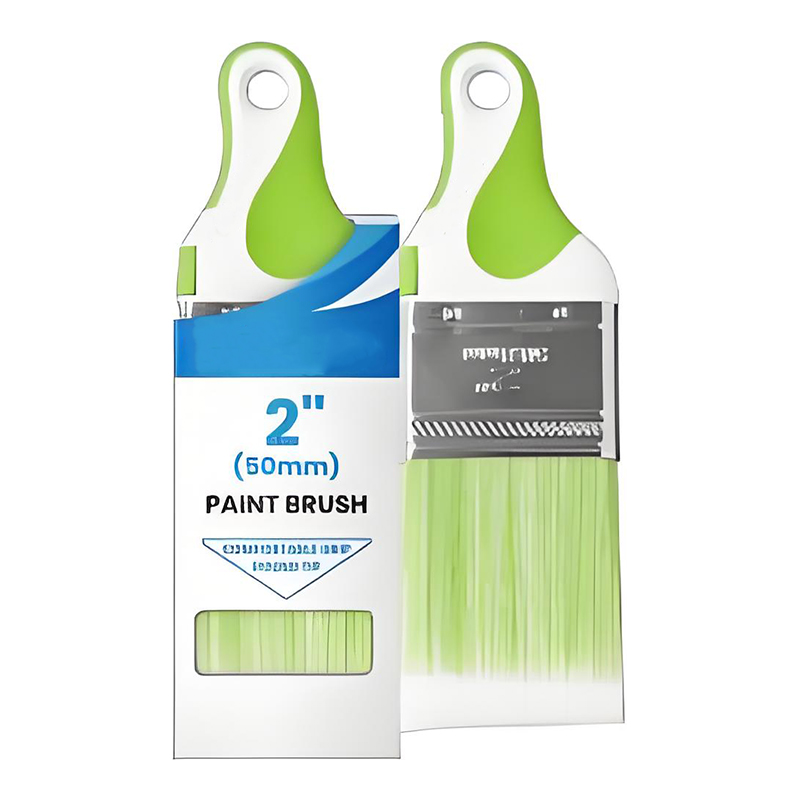
Because synthetic filaments do not absorb water, they maintain consistent stiffness throughout a painting session, even on large wall surfaces where the brush stays wet for extended periods. Many synthetic brushes are also manufactured with tapered, flagged tips — split ends that hold more paint and release it more evenly, closely mimicking the performance natural bristles offer for oil-based paint. This makes a quality synthetic brush a reliable all-purpose tool for interior wall painting, trim work with latex paint, and touch-ups on previously painted wood paint brush surfaces like fences, decks, and outdoor furniture.
A well-made nylon-polyester blend brush can retain its shape through hundreds of wash cycles when cleaned promptly with water after each use.
Comparing Bristle Types Side by Side
The table below summarizes the core differences between natural and synthetic bristle brushes, which helps clarify why matching the brush to the paint type is so important for a clean, professional-looking result.
| Feature | Natural Bristle | Synthetic Bristle |
|---|---|---|
| Best paint type | Oil-based paints, varnishes, stains | Water-based paints, latex, acrylic |
| Water reaction | Absorbs water, swells and softens | Water-resistant, keeps its shape |
| Paint pickup | High, holds a heavy load | Moderate to high, depending on flagging |
| Durability with wrong paint | Poor with water-based paint | Fair with oil-based paint, but less efficient |
| Typical use case | Trim, doors, furniture finishing | Walls, ceilings, general interior and exterior |
Brush Shape and Size Considerations for Each Paint Type
Bristle material is only part of the equation. Shape and size also influence how well a brush performs with a given paint type and surface.
Angled Sash Brushes
Angled sash brushes, usually between 1.5 and 2.5 inches wide, are ideal for cutting in edges around trim, window frames, and corners. They work well with both oil-based and water-based paints, though the bristle material should still follow the pairing rules above.
Flat Wall Brushes
Flat brushes in the 3 to 4 inch range are suited to broad, flat surfaces such as doors, fences, and cabinetry. When paired with a natural bristle for oil-based finishes, they help maintain a wet edge across a wide panel, reducing the appearance of lap marks.
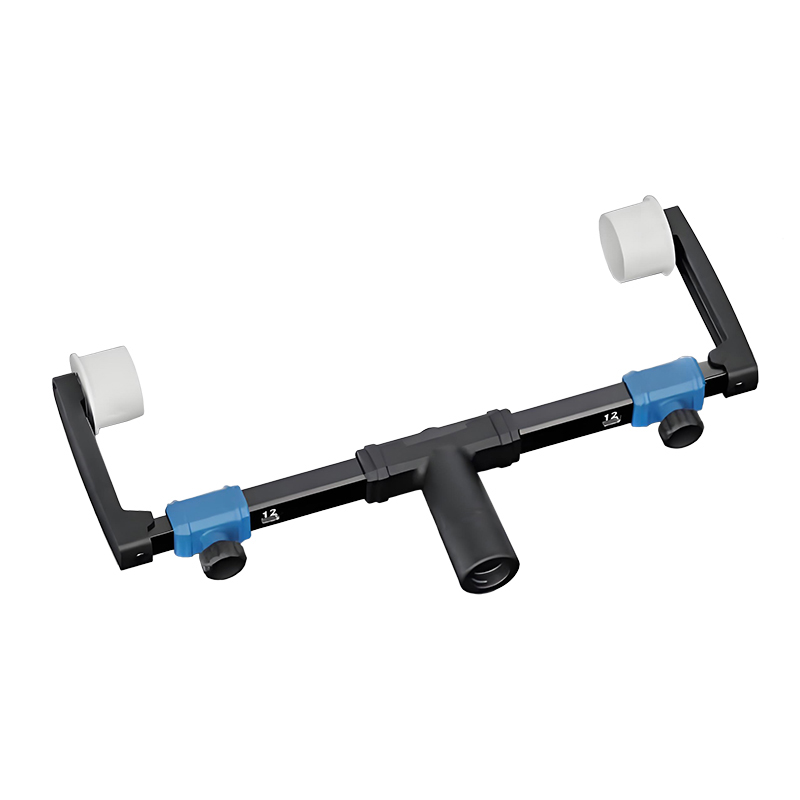
For large, flat wall areas, many painters combine a brush with a paint brush roller to speed up coverage while still using a brush for cutting in edges and corners. Rollers are typically used with water-based latex paint, since the nap material is designed for water-based formulas. Oil-based paints can also be rolled, but the roller cover must be rated for solvent-based use.
Choosing the Right Brush for Wood Surfaces
Wood surfaces present a unique challenge because they can be finished with either oil-based or water-based products, and the wrong brush choice is especially visible on wood grain, where brush strokes and lap marks stand out clearly.
When applying an oil-based stain, varnish, or enamel, a wood paint brush with natural bristles is generally preferred because it lays down a thin, even film that levels out as it dries, minimizing brush marks on the grain. For water-based wood stains, sealers, or paints, a synthetic bristle wood brush is the better match, since it will not absorb the water content of the finish and will maintain consistent stiffness throughout the application.
Brush size for wood projects typically ranges from 1 to 3 inches, depending on the scale of the piece. Smaller brushes, around 1 to 1.5 inches, are useful for detailed trim, moldings, and furniture with tight corners, while 2 to 3 inch brushes are more efficient for flat panels, tabletops, and larger cabinet doors.
Cleaning and Maintenance Differences
Proper cleaning extends the life of any brush, but the process differs significantly depending on the paint type used.
Brushes used with oil-based paint require a solvent, such as mineral spirits or paint thinner, to break down the paint residue before washing with warm, soapy water. Skipping the solvent step often leaves the bristles stiff and clumped, permanently reducing brush performance.
Cleaning Brushes Used with Water-Based Paint
Water-based paint brushes are much easier to maintain. Rinsing under warm running water immediately after use, combined with a mild soap and gentle combing of the bristles, is usually enough to remove all residue. A synthetic brush cleaned properly after every session can remain usable for years of regular painting work.
Common Mistakes to Avoid
Even experienced painters occasionally make avoidable errors when selecting or using a brush for a specific paint type. Being aware of these common pitfalls can save time, money, and frustration.
- Using a natural bristle brush with latex or acrylic paint, which causes the bristles to swell and lose shape
- Choosing a brush that is too large for detail work, resulting in sloppy edges around trim and corners
- Failing to clean the brush immediately after use, which allows paint to dry and harden within the bristles
- Overloading the brush with paint, which leads to drips and an uneven finish regardless of bristle type
- Ignoring the roller-and-brush pairing when using a paint brush roller alongside a brush on the same project, which can create texture mismatches between rolled and brushed areas
Final Recommendations
For most home and professional painting projects, keeping two dedicated brushes on hand covers the vast majority of situations: a natural bristle brush reserved strictly for oil-based paints, stains, and varnishes, and a synthetic bristle brush for all water-based latex and acrylic work. Pairing the correct brush with a compatible paint brush roller for larger surfaces, and choosing a properly matched wood paint brush for furniture or trim projects, rounds out a well-equipped painting toolkit.
Investing in a mid-to-high quality brush of the correct bristle type consistently outperforms a cheaper, mismatched option, both in the smoothness of the final finish and in the long-term durability of the tool itself. Taking the extra minute to confirm bristle material before starting a project is a small step that has a measurable impact on the final result.