English
 Español

Influence of Brush Weight on Control and Maneuverability
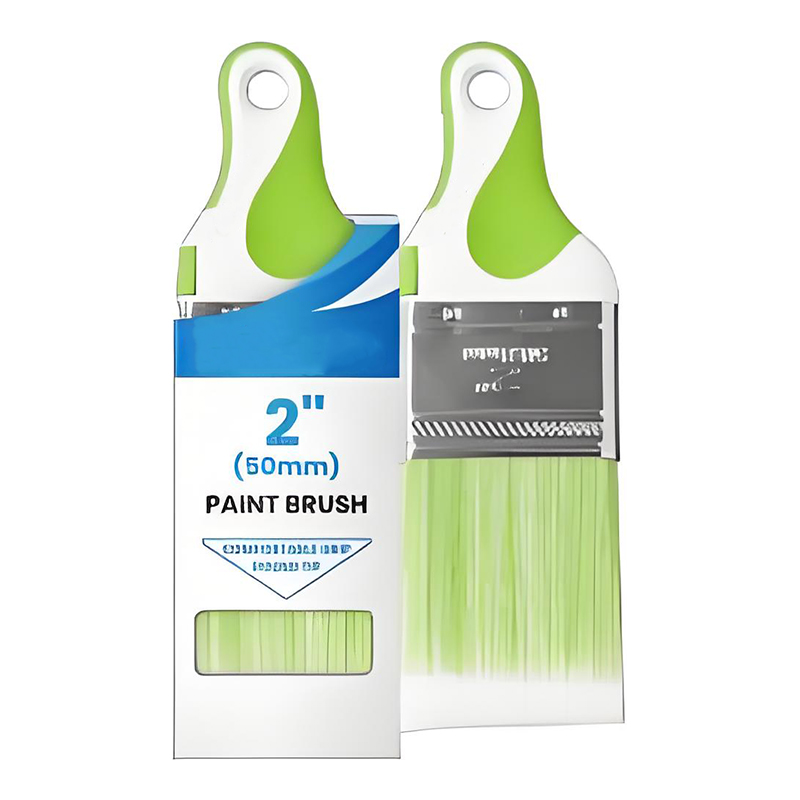
The weight of Plastic Handle Paint Brush is a critical factor in determining the user’s ability to control the brush during painting tasks. Plastic handles are typically lighter than wooden or metal alternatives, which makes the brush easier to maneuver, especially in intricate or confined areas. This reduced weight allows the user to perform precise strokes with minimal effort, which is particularly important when painting detailed trims, corners, or decorative edges. However, achieving optimal control is not solely about weight; it also depends on the balance between the handle and the bristles. A brush that is too light relative to its bristle density may feel top-heavy, leading to unsteady strokes and potential loss of precision. Conversely, a lightweight brush with proper balance allows the center of gravity to align near the hand, enhancing stability and smoothness in fine brushwork. Over extended use, the lightweight handle also reduces muscular strain, enabling users to maintain control and consistency over longer painting sessions.
Impact of Brush Weight on Precision
Precision in painting is highly dependent on the user’s ability to execute controlled, deliberate movements, and the weight of the brush handle directly affects this capability. Lightweight plastic handles enable the hand to make subtle micro-movements, which are essential for achieving clean lines, thin strokes, and detailed patterns. This is particularly important for tasks such as edge painting, touch-ups, or miniature decorative work, where small errors can significantly affect the overall finish. Heavier handles, while offering some stability, can lead to fatigue and hand tremors, especially during extended sessions, which reduces the precision of delicate lines. Lightweight brush allows for better responsiveness to pressure adjustments, giving the painter fine control over paint application and ensuring uniform coverage without smudging. The ability to execute fine strokes effortlessly is critical for professional-grade results and contributes to a polished, consistent appearance across all detailed work.
Ergonomic Advantages and Comfort
Lightweight Plastic Handle Paint Brushes offer significant ergonomic advantages, particularly for users who engage in long painting sessions or detailed work. Because the handle is lighter, the painter exerts less strain on the wrist, hand, and forearm, reducing the likelihood of fatigue or discomfort. Many plastic handles are also ergonomically contoured and may feature textured or non-slip surfaces, which further improve grip and reduce hand tension. Comfortable handling directly enhances precision, as a relaxed hand allows for steadier strokes and greater control. Moreover, the ergonomic design allows users to maintain a natural wrist angle, minimizing repetitive strain injuries that can occur with heavier or poorly designed handles. This combination of light weight and ergonomic design ensures that painters can achieve consistent, high-quality results even during extended periods of intricate work, making plastic handle brushes ideal for both professional painters and dedicated hobbyists.
Balance Considerations
While the lightweight nature of a Plastic Handle Paint Brush is advantageous, its effectiveness depends heavily on the balance between the handle and bristle load. A brush that is too light in the handle relative to dense or stiff bristles can feel awkward and top-heavy, reducing precision and causing unsteady strokes. Conversely, a well-designed lightweight handle that matches the bristle weight achieves optimal balance, placing the center of gravity near the user’s grip. Proper balance allows for smooth, controlled movements, enabling the user to apply paint evenly, maintain consistent line thickness, and navigate complex surfaces or tight corners with accuracy. Balanced brushes also help in regulating pressure during strokes, ensuring that paint is applied consistently without accidental overloading or uneven coverage. For detailed and fine line work, a well-balanced lightweight plastic handle is often preferable to heavier handles, as it allows the user to perform controlled, delicate motions without excessive effort.
Trade-Offs Between Light and Heavy Handles
Choosing the right handle weight involves considering the specific painting task. Lightweight plastic handles are ideal for precision tasks, such as fine trim work, decorative accents, and touch-ups, as they reduce fatigue and allow for subtle, controlled movements. However, heavier handles may provide greater stability and momentum when covering large surfaces or applying broad, sweeping strokes. While heavier brushes can aid in speed and consistency for wall painting or furniture finishing, they can compromise control and precision in delicate areas. Therefore, the choice between light and heavy handles depends on the balance between fine detail and broad coverage, with lightweight plastic handles excelling in tasks requiring accuracy, agility, and extended ergonomic use, making them the preferred option for detailed or professional-grade painting projects.