English
 Español

The Paint Containment Pole is a versatile and highly efficient tool that significantly enhances the overall productivity of painting projects by providing precise control over overspray and protecting surrounding areas. It helps improve efficiency in multiple ways, from reducing waste to ensuring a cleaner workspace, all while delivering a professional-level finish.
One of the primary functions of the Paint Containment Pole is to contain the paint application within a controlled zone. This containment barrier, whether in the form of a shield, netting, or protective covering, ensures that paint remains in the desired area. By preventing overspray from drifting onto adjacent walls, floors, windows, or furniture, it helps to minimize the risk of damage and staining. This precise containment reduces the amount of prep work required for masking off areas that would otherwise need extensive taping, drop cloths, or plastic sheeting. As a result, the painter can focus more on the actual application rather than spending hours on protecting surrounding surfaces.
Another key advantage of using a Paint Containment Pole is the reduction in cleanup time and effort. Traditional methods of protecting surfaces—such as masking with tape and plastic sheeting—require significant cleanup afterward, as the painter must remove the protective layers and deal with any overspray that has inadvertently landed outside the painted area. With a containment pole, much of this overspray is effectively contained, minimizing the need for post-painting cleanup. The protective barriers help ensure that only the areas intended for painting are exposed, keeping the surrounding surfaces clean and reducing the amount of time and labor spent on restoring them.
In addition to saving time on cleanup, the Paint Containment Pole helps maintain a cleaner work environment. Painting in open or poorly ventilated spaces can result in airborne paint mist and overspray that can spread to unwanted areas. The pole’s containment system traps these particles and mist, preventing them from circulating throughout the workspace. This creates a cleaner environment and reduces the risk of inhaling hazardous fumes or paint particles, which is particularly important when using paints that contain harmful chemicals or solvents. Moreover, by containing the overspray, the pole minimizes the chance of paint reaching areas that could require significant post-painting restoration, such as electrical outlets, switches, or floors.
Overspray typically leads to paint waste, as paint that lands outside the targeted area often cannot be reused. A Paint Containment Pole helps minimize such waste by directing the paint where it is needed most and keeping it within the intended area of application. This not only ensures that the right amount of paint is used but also helps in maximizing the cost-effectiveness of the materials. Painters can complete the job with less paint, which is particularly beneficial when using high-end or specialty paints that may be costly. This controlled application process reduces the overall material costs and contributes to more sustainable practices by minimizing excess paint that would otherwise be discarded.
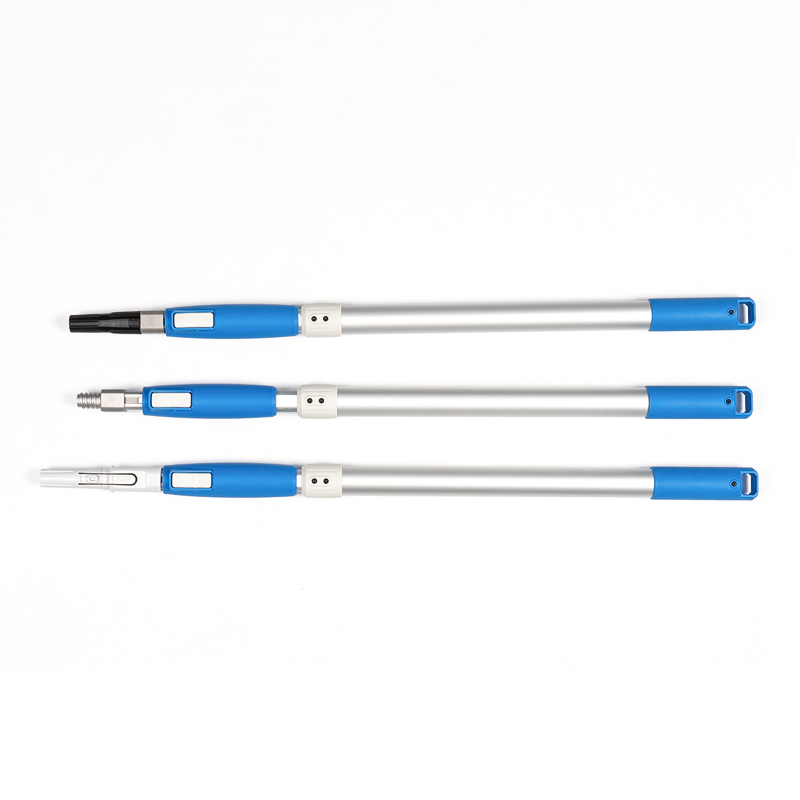
Precision in paint application is another area where the Paint Containment Pole excels. The pole often features adjustable settings, such as the ability to modify its height or angle, allowing the painter to fine-tune the placement of the containment barrier. This adjustability ensures that painters can achieve a more uniform and accurate application, especially in intricate or hard-to-reach areas like ceilings, corners, or along edges. Whether painting large flat surfaces or detailed areas that require careful control, the pole’s containment system enhances the painter's ability to maintain a consistent, professional-quality finish. The ability to direct the spray more accurately minimizes the risk of overspray and ensures that only the targeted surfaces are painted.
The Paint Containment Pole is also versatile enough to be used across a wide variety of painting applications. From interior and exterior painting projects to more specialized work such as furniture, automotive painting, or industrial coatings, the pole can be adjusted to meet the unique requirements of each job. Its ability to protect surrounding surfaces from paint overspray makes it equally useful in residential, commercial, and industrial settings. For example, when painting ceilings or high walls, the pole’s adjustable height allows painters to reach elevated areas without needing additional scaffolding or ladders, while still protecting floors and furniture below. This versatility makes it an indispensable tool for any project that requires precision and efficiency.
Traditional methods of surface protection—such as plastic sheeting, tape, or drop cloths—can quickly become cumbersome and costly, especially when working on large-scale projects. The Paint Containment Pole eliminates the need for extensive masking materials, saving both time and money. Since the pole contains overspray effectively, there is less reliance on disposable protective products, which are not only expensive but also generate waste. By reducing the need for extra protective layers, the pole offers an environmentally friendly alternative to traditional methods, making it an appealing option for those concerned with sustainability.
Faster setup and teardown are additional benefits of the Paint Containment Pole. The setup process is much quicker compared to the time-consuming task of masking off surfaces with tape and plastic. The pole typically involves minimal assembly, and once in place, it provides immediate protection for the surrounding areas. At the end of the project, teardown is equally efficient, as the containment system can be quickly removed and stored for future use. This streamlines the workflow, especially in projects with tight deadlines or when multiple areas need to be painted in a short period.
The pole’s ability to reduce paint waste and the time spent on cleanup also contributes to its cost-effectiveness. Not only does it save time and reduce labor costs by eliminating the need for masking, but it also helps ensure that the maximum amount of paint is applied to the desired surfaces rather than wasted on unintended areas. For commercial or large-scale painting projects, where budgets and timelines are often tight, these time and cost savings can make a significant difference. In the long term, this leads to more efficient operations, lower expenses, and a higher return on investment.