English
 Español

The thread connection on a carbon fiber paint extension pole holds up remarkably well over time — but only when the pole is made to proper manufacturing tolerances and maintained correctly. In professional painting environments where accessories are swapped dozens of times per week, thread wear is a real concern. The good news is that carbon fiber poles with brass or reinforced nylon threaded inserts typically outlast aluminum-threaded counterparts by a significant margin, provided users follow correct attachment practices. This article breaks down exactly what affects thread longevity, what signs of wear to watch for, and how to get the most out of your pole's connection system.
Why Thread Connection Quality Matters on a Carbon Fiber Paint Extension Pole
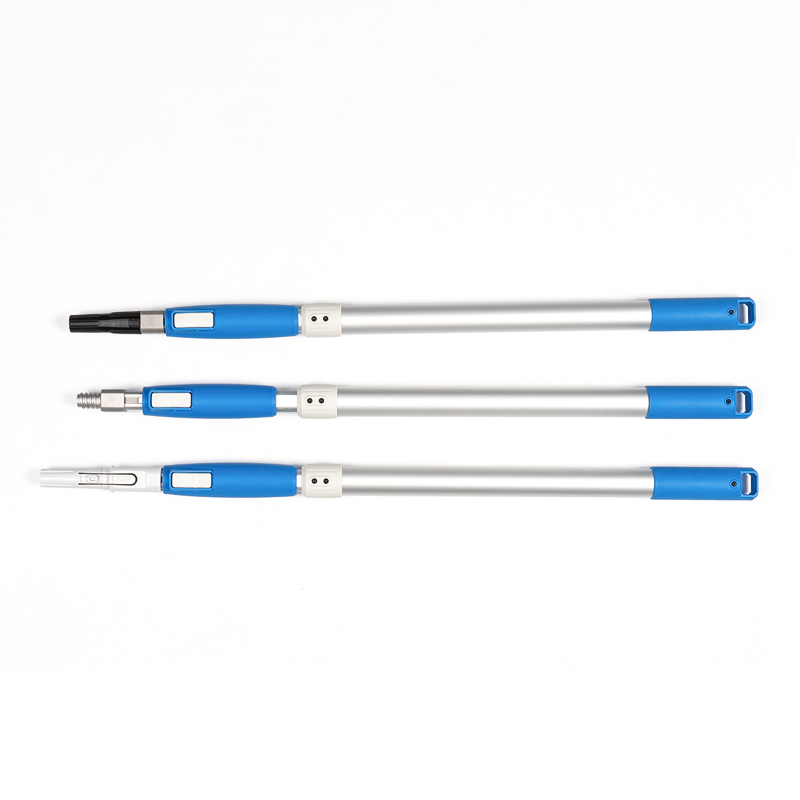
The threaded tip of a carbon fiber paint extension pole is the single most stressed mechanical component on the entire tool. Every time a roller frame, paint pad holder, or brush adapter is attached and detached, micro-abrasion occurs at the contact surface. Over hundreds of cycles, this can degrade thread pitch, loosen tolerances, and ultimately cause accessories to wobble or strip out entirely.
Unlike the pole shaft — which benefits directly from carbon fiber's exceptional stiffness and corrosion resistance — the threaded insert is usually a separate component made from metal or engineered plastic. The material of this insert, not the carbon fiber itself, determines how long the thread connection survives repeated use.
Most professional-grade carbon fiber paint extension poles use one of the following thread standards:
- Acme thread (common in the US market)
- Euro thread (standard in European professional painting)
- Universal threaded adapters (compatible with both systems)
Knowing which standard your pole uses is critical because mismatching thread types accelerates wear faster than nearly any other factor.
Thread Insert Materials: How They Compare in Long-Term Durability
The insert material embedded at the tip of a carbon fiber paint extension pole has an outsized impact on how well the thread connection holds up. Here is a direct comparison of the most commonly used materials:
| Insert Material | Durability Rating | Corrosion Resistance | Estimated Cycles Before Wear |
|---|---|---|---|
| Brass | Excellent | High | 2,000–5,000+ |
| Stainless Steel | Excellent | Very High | 3,000–6,000+ |
| Reinforced Nylon | Good | Very High | 500–1,500 |
| Aluminum | Moderate | Moderate | 300–800 |
For contractors who attach and remove accessories multiple times daily, brass and stainless steel inserts are the only viable long-term options. A pole with an aluminum threaded tip may begin showing noticeable play in the connection after as few as 300 cycles — roughly three to four months of daily professional use.
Key Factors That Accelerate Thread Wear on Carbon Fiber Paint Extension Poles
Even the highest-quality carbon fiber paint extension pole can develop thread connection problems ahead of schedule if certain conditions are present. Understanding these factors helps users make smarter decisions in the field.
Cross-Threading During Attachment
Cross-threading — where the accessory's thread engages at an angle rather than straight on — is the single most destructive event a threaded connection can experience. A single cross-thread incident can remove material equivalent to 50 or more standard attachment cycles. Always start accessories by hand, aligning threads carefully before applying torque.
Paint and Chemical Contamination
Dried paint buildup inside the threaded socket of a carbon fiber paint extension pole creates abrasive particles that grind against the thread flanks with every attachment cycle. Oil-based paints and epoxy coatings are particularly problematic because they cure hard and are difficult to remove without solvents. Cleaning the thread area after every use can extend thread life by 30–50% based on field reports from professional painting crews.
Over-Tightening Accessories
Thread connections on paint extension poles are designed to be hand-tight only. Using tools or excessive force to tighten accessories compresses and deforms thread flanks, leading to premature stripping. A snug quarter-turn past finger-tight is typically sufficient for a secure working connection.
Incompatible Accessory Thread Standards
Forcing an accessory with a slightly different thread pitch or diameter onto a carbon fiber paint extension pole — even if it appears to fit — causes uneven load distribution across the thread flanks. Over time, this creates a rocking or wobbling connection that worsens with each use.
Warning Signs That the Thread Connection Is Degrading
Catching thread wear early on a carbon fiber paint extension pole prevents a minor maintenance issue from becoming a tool failure mid-job. Watch for the following warning signs:
- Lateral wobble at the accessory connection even when the thread is fully engaged
- Accessories that feel loose after just a few minutes of painting
- Visible metal shavings or fine debris around the threaded tip
- Difficulty threading accessories smoothly — unusual resistance or a grinding sensation
- Accessories unscrewing on their own during use due to vibration
If more than two of these signs are present simultaneously, it is time to either replace the threaded insert (if the pole design allows it) or retire the pole from heavy-duty use.
Best Practices to Maximize Thread Connection Longevity
Extending the service life of the thread connection on a carbon fiber paint extension pole requires consistent habits rather than occasional deep maintenance. The following routine is recommended for professional users:
- Inspect before every job: Visually check the threaded tip for paint buildup, visible damage, or embedded debris.
- Clean after every use: Use a stiff nylon brush and appropriate solvent to remove paint from the thread grooves before it cures.
- Apply a thin coat of silicone lubricant: A light application every 50–100 attachment cycles reduces friction and slows metal-to-metal wear without contaminating paint surfaces.
- Always thread by hand first: Never start an accessory with rotational force until the threads are manually confirmed to be aligned.
- Use matched accessories: Confirm that every roller frame and adapter is rated for the same thread standard as your carbon fiber paint extension pole.
- Store properly: Cap or cover the threaded tip when the pole is in transit or storage to prevent physical impact damage.
Replaceability: Can the Thread Insert Be Repaired or Swapped?
One often-overlooked purchasing consideration is whether the threaded tip of a carbon fiber paint extension pole is a permanently bonded component or a replaceable insert. Higher-end professional models typically feature field-replaceable inserts, which means a worn thread connection does not require replacing the entire pole — only the insert, which usually costs between $5 and $20.
Budget-tier carbon fiber paint extension poles often use adhesive-bonded or molded-in thread inserts that cannot be replaced without damaging the pole body. For contractors expecting high-volume use, paying more upfront for a pole with a replaceable insert system delivers substantially better long-term value.
Before purchasing, ask the manufacturer or supplier these specific questions:
- Is the threaded insert on this carbon fiber paint extension pole user-replaceable?
- What material is the insert made from — brass, stainless steel, or nylon?
- Are replacement inserts sold separately, and what is the lead time?
The well-engineered carbon fiber paint extension pole with a brass or stainless steel threaded insert, used and maintained correctly, should provide thousands of reliable attachment and detachment cycles — enough to last multiple years even under daily professional use. The carbon fiber shaft itself will almost certainly outlast the thread insert, which is why replaceability matters so much in a professional tool selection decision.
Thread connection integrity is not just a convenience feature — it directly affects paint application quality. A loose or wobbling connection introduces inconsistent roller pressure, uneven paint distribution, and potential mid-job accessory failure. Investing in a carbon fiber paint extension pole with a high-quality thread system, and maintaining it diligently, is one of the most cost-effective decisions a professional painter can make.