English
 Español

Painting & Surface Preparation — Editorial Guide
Learn which roller cover material works best for oil-based and water-based paints, with nap guides, comparison tables, and application tips.
Direct Answer: Match the Cover to the Paint Chemistry
For water-based (latex) paint, the best choice is a synthetic roller cover made from polyester, nylon, or a woven microfiber blend. For oil-based (alkyd or solvent-based) paint, natural or blended wool-and-synthetic covers perform better because they hold up under solvent exposure and release oil paint more evenly. The underlying reason is simple chemistry: synthetic fibers absorb water-based formulas without swelling or matting, while natural fibers have a cellular structure that carries oil-based pigment smoothly without leaving fiber residue on the wall.
Using the wrong cover doesn't just waste paint — it can ruin a finish.
A natural fiber cover soaked in latex paint will absorb moisture, swell, and shed fibers onto the surface. A synthetic cover used with oil-based paint may break down faster because certain solvents degrade cheaper synthetic fibers over repeated use. Selecting the correct cover from the start saves time, paint, and repainting costs.
Why Paint Type Changes the Ideal Roller Material
Paint rollers work by absorbing paint into the nap and releasing it evenly as the roller moves across a surface. Every fiber type absorbs and releases liquid differently depending on its chemical structure. Water-based latex paints are formulated with water as the primary carrier, while oil-based paints rely on mineral spirits or other solvents. These two carriers interact differently with roller fibers.
Water-Based Paint Behavior
Latex paint is thicker and has a higher solid content than oil-based paint. It needs a roller cover that can hold a substantial amount of paint without becoming waterlogged. Synthetic fibers such as polyester and nylon are engineered to resist water absorption into the fiber itself, meaning the paint stays on the surface of the nap rather than soaking deep into the material. This allows for a more controlled release during rolling.
Oil-Based Paint Behavior
Oil-based paint is thinner and flows more freely. Natural fibers like mohair or lambswool have tapered tips that pick up thin liquids efficiently and lay them down without streaking. Wool-based covers are particularly effective at producing a glass-smooth finish on trim, doors, and cabinetry painted with oil-based enamel.
Comparing Roller Cover Materials Side by Side
The table below summarizes how common roller cover materials perform with each paint type, based on typical manufacturer guidance and professional painter feedback.
| Material | Best For | Avoid With | Typical Finish |
|---|---|---|---|
| Polyester | Latex, acrylic | Oil-based enamel (short lifespan) | Smooth to semi-textured |
| Microfiber blend | Latex, satin, eggshell finishes | Heavy solvent-based coatings | Very smooth, minimal stippling |
| Wool / mohair blend | Oil-based paint, enamel, varnish | Water-based paint (fiber swelling) | Ultra-smooth, low lint |
| Foam | Thin coats, faux finishes, small trim jobs | Thick latex or heavy oil coatings | Very smooth, low paint volume |
The Rise of the Microfiber Paint Roller
Among synthetic options, the microfiber paint roller has become a favorite for interior water-based projects. Its ultra-fine fibers are woven densely, which allows it to hold significantly more paint per pass than standard synthetic covers — often cited at around 20 to 30 percent more paint capacity compared to conventional polyester covers of the same nap length. This translates into fewer reloads, faster coverage, and a more consistent film thickness across large wall areas.
A microfiber paint roller also produces less spatter during application, which is especially useful when working with higher-sheen latex paints like satin or semi-gloss. The tight fiber weave reduces the chance of paint flinging off the roller at higher rolling speeds, keeping floors, trim, and furniture cleaner during the job.
Info
While microfiber is not typically recommended for oil-based enamel because the fibers can degrade faster under solvent exposure, it remains one of the top-performing options for anyone repainting walls, ceilings, or drywall with latex paint.
Choosing the Right Nap Length for Each Paint Type
Nap length affects how much paint a roller cover holds and how well it conforms to surface texture. Nap selection matters regardless of whether the paint is oil-based or water-based, but the ideal range shifts slightly depending on viscosity.
- 3/16 to 1/4 inch nap: Best for smooth drywall or trim with either oil-based enamel or thin latex coats.
- 3/8 inch nap: A versatile middle ground suited to lightly textured walls using standard latex wall paint.
- 1/2 to 3/4 inch nap: Ideal for medium-textured surfaces such as orange peel or knockdown finishes, typically with latex paint.
- 3/4 inch to 1.25 inch nap: Reserved for heavily textured surfaces like stucco or brick, usually applied with exterior latex formulas.
Oil-based paint jobs tend to favor shorter naps because the goal is usually a flawless, brush-mark-free finish on doors, cabinets, and trim rather than heavy texture coverage.
Common Mistakes When Pairing Roller Covers With Paint
Many finish problems trace back to a mismatch between the roller and the paint formula rather than the paint itself. Reviewing common mistakes helps avoid wasted materials and rework.
Using Natural Fiber With Latex Paint
Warning
Natural fibers such as pure wool or animal hair absorb water readily. When exposed to latex paint, the fibers swell, become heavy, and shed onto the wall surface. This is one of the most frequent causes of visible lint in a finished latex paint job.
Using Low-Grade Synthetic With Oil-Based Enamel
Inexpensive synthetic fibers can break down when repeatedly exposed to mineral spirits or other solvents found in oil-based products. Over a multi-hour project, the fibers may soften and lose their shape, leading to inconsistent paint release and visible roller marks.
Ignoring Sheen Level
Higher-sheen paints, whether oil-based or water-based, show every imperfection left by the roller. A denser, finer-fiber cover — such as microfiber for latex or a tight-weave mohair blend for oil enamel — produces a smoother result on semi-gloss and gloss finishes.
How Roller Cover Quality Affects Paint Coverage and Cost
Higher-quality roller covers generally deliver more consistent film thickness, which directly affects how far a gallon of paint stretches. A dense, well-matched cover reduces the need for a heavier second coat because coverage is more even on the first pass. Industry estimates suggest that a well-matched, high-density cover can improve effective coverage by roughly 10 to 15 percent compared to a low-density, budget cover, simply by minimizing uneven patches and thin spots that require touch-ups.
This efficiency matters most on large-scale jobs. For a project requiring several gallons of paint, saving even half a gallon through better coverage can offset the extra cost of a premium roller cover multiple times over.
Selecting Paint Roller Covers for Specific Project Types
Different projects call for different combinations of nap length, fiber type, and roller width. The right choice among paint roller covers depends on the surface, the paint sheen, and the scale of the job.
roller cover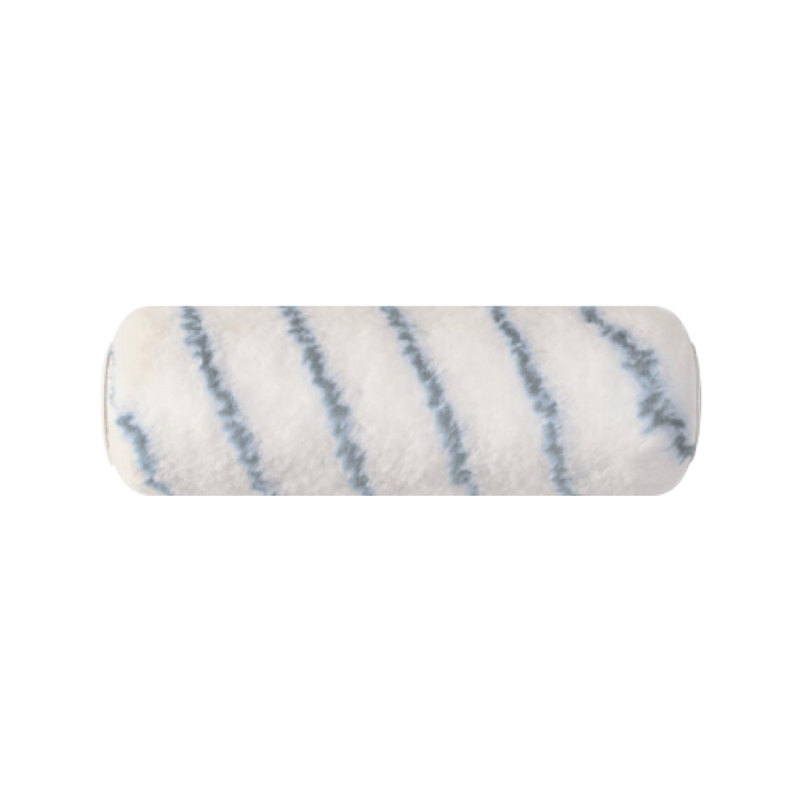
- Interior walls with latex paint: Use a 3/8-inch synthetic or microfiber cover for a balance of coverage and smoothness.
- Cabinets and trim with oil-based enamel: Use a short-nap wool or mohair blend for a brush-free, glassy finish.
- Exterior stucco or masonry with latex paint: Use a thick 3/4-inch to 1-inch synthetic cover to reach into surface texture.
- Ceilings with flat latex paint: Use a 1/2-inch synthetic cover for adequate paint capacity without excessive stippling.
- Small touch-ups or accent pieces: Use a foam or mini roller cover for controlled, thin-coat application.
Caring for Roller Covers to Extend Their Usable Life
Proper cleaning extends the life of both natural and synthetic covers, and it also protects the investment made in higher-quality materials. For latex paint, covers should be rinsed thoroughly with warm water immediately after use, working the fibers with fingers or a roller cleaning tool until the water runs clear. For oil-based paint, mineral spirits or an appropriate solvent is required, followed by a final rinse with warm soapy water to remove residual solvent odor.
Good Practice
Covers should be spun or blotted dry and stored upright or hung so the nap retains its shape rather than being crushed flat. A cover that is properly cleaned and stored can often be reused for several additional projects, particularly mid-to-high density synthetic and wool-blend options, making the initial investment in a quality cover more cost-effective over time.
Final Recommendation
For most homeowners and professional painters working with water-based latex paint, a synthetic or microfiber cover in the appropriate nap length delivers the best balance of coverage, smoothness, and cost efficiency. For oil-based enamel and varnish work — particularly on cabinetry, trim, and doors — a wool or mohair blend remains the gold standard for a streak-free, professional finish. Matching the roller cover to the paint chemistry, rather than choosing based on price alone, is the single most reliable way to achieve a clean, even, long-lasting result on any painting project.