English
 Español

Cleaning Immediately After Use
Proper cleaning immediately after each use is essential for maintaining the performance and longevity of Paint Spiked Roller. Wet coatings, particularly epoxy, polyurethane, or other self-leveling floor materials, can harden rapidly if left on the spikes, leading to clogging and uneven performance during subsequent applications. Users should rinse the roller thoroughly under warm water for water-based coatings or utilize the manufacturer-recommended solvent for solvent-based materials. During cleaning, a soft-bristled brush or sponge can be used to gently dislodge residual material trapped between spikes without damaging the tips. Failing to clean the roller promptly may cause dried material to alter spike spacing or shape, which can compromise air bubble release, reduce leveling efficiency, and produce uneven finishes on future coatings. Thorough and timely cleaning is therefore a foundational step in ensuring consistent results and protecting the investment in the tool.
Inspecting Spikes for Wear and Damage
Regular inspection of the roller spikes is critical to maintain uniform coating performance and surface quality. Users should carefully examine each spike for bending, chipping, or breakage, as even minor damage can interfere with proper air release and coating distribution. Misaligned or damaged spikes can create localized imperfections such as pinholes, uneven coating thickness, or trapped air pockets, which may be especially noticeable in epoxy and polyurethane finishes. In rollers with replaceable spikes, damaged spikes should be promptly replaced to restore optimal functionality. For fixed-spike designs, the roller should be retired once wear compromises performance. Consistently inspecting spikes and addressing damage ensures that each rolling operation produces smooth, professional-grade results while preventing unnecessary rework or coating waste.
Lubrication and Proper Storage
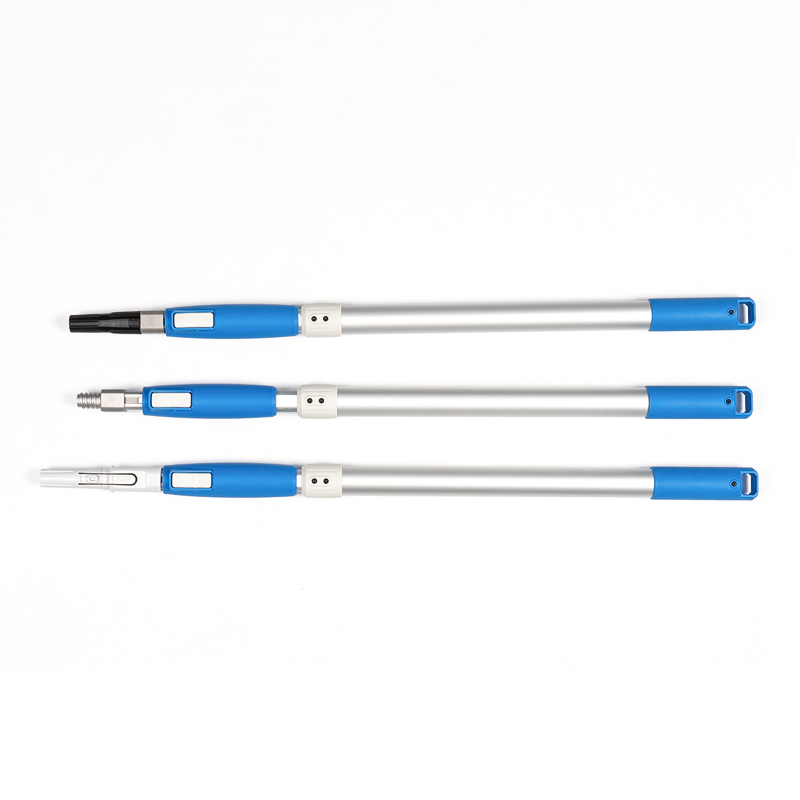
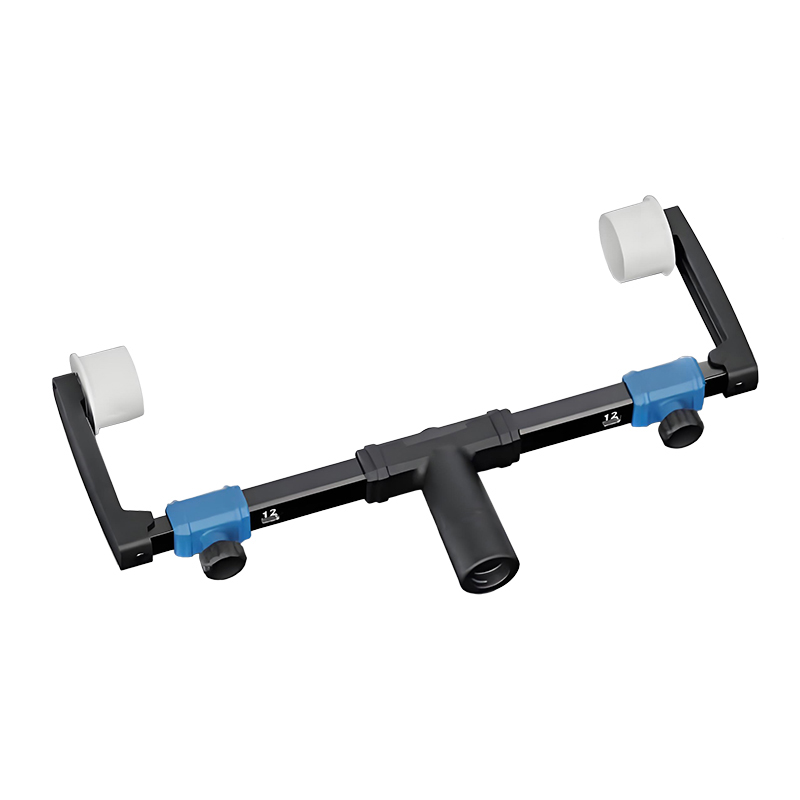
Although the spikes themselves do not require lubrication, the roller frame, handle, and any moving or telescopic components should be periodically checked and lightly oiled if needed to prevent stiffness, corrosion, or mechanical wear. Proper storage is equally important to preserve spike integrity and overall tool longevity. After cleaning, the roller should be fully dried and stored in a dry, ventilated environment to prevent moisture-related corrosion on metal components and degradation of plastic or rubber parts. Hanging the roller vertically or laying it on a flat surface helps maintain spike alignment and prevents accidental bending or deformation. Proper storage not only extends the roller’s service life but also ensures consistent coating performance during professional and repeat applications.
Avoiding Overuse and Excessive Force
The Paint Spiked Roller is designed to lightly agitate the coating and release trapped air rather than exert heavy mechanical pressure. Users should avoid pressing too hard or using excessive force, particularly on rough, uneven, or textured surfaces, as this can cause premature wear or bending of the spikes. Overloading the roller reduces its ability to evenly distribute coating and maintain air release, potentially resulting in surface defects. By applying moderate, consistent pressure and rolling at a controlled pace, the user ensures that the spikes maintain their shape and functionality. This approach minimizes maintenance requirements, preserves spike integrity, and contributes to high-quality, uniform finishes on both large-scale and small-area applications.
Periodic Replacement and Quality Checks
Even with diligent cleaning, careful use, and proper storage, spikes will naturally wear over time due to repeated contact with heavy coatings or abrasive substrates. Users should implement periodic quality checks to monitor spike alignment, tip sharpness, and overall roller performance. Scheduling replacements at appropriate intervals, based on the frequency of use and coating types, prevents decline in surface finish quality and reduces the risk of defects during critical projects. Keeping spare spikes or an additional roller on hand ensures uninterrupted workflow in professional settings. Regular replacement and inspection practices not only protect the investment in the Paint Spiked Roller but also enhance overall efficiency, maintain consistent air-release capability, and guarantee superior results in every application.