English
 Español

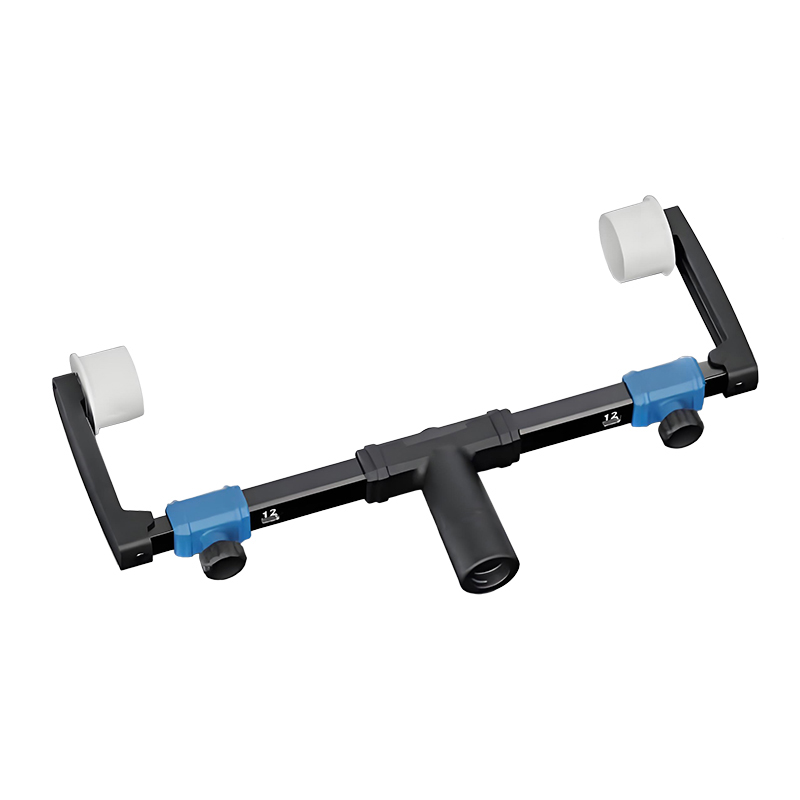
The paint roller frame performs best on flat surfaces, delivering uniform coverage with fewer passes. On textured surfaces, the roller frame encounters challenges due to grooves and uneven areas, often requiring multiple passes and thicker roller naps. Utilizing a long paint roller handle can enhance reach, reduce fatigue, and improve consistency when working on high walls or ceilings.
Surface Types and Their Impact on Paint Application
Flat surfaces, including smooth drywall or plaster, allow a paint roller frame to glide evenly. The paint spreads uniformly, creating a smooth finish. Textured surfaces, such as brick, stucco, or popcorn ceilings, present ridges and crevices that can trap air pockets, causing paint pooling or missed spots. This requires careful attention to roller selection and technique.
For textured surfaces, selecting a roller with a thicker nap ensures better paint penetration. Additionally, pairing it with a long paint roller handle helps maintain consistent pressure while covering large vertical or overhead surfaces, reducing physical strain and improving efficiency.
Material and Frame Design Considerations
The material of the paint roller frame greatly affects performance. Steel frames provide rigidity and precise control on flat surfaces, minimizing wobbling. However, they may struggle on uneven textures because they cannot flex to follow surface contours. Lightweight aluminum or hybrid frames offer some flexibility, which can improve coverage on rough surfaces, though slight sacrifices in smoothness on flat walls may occur.
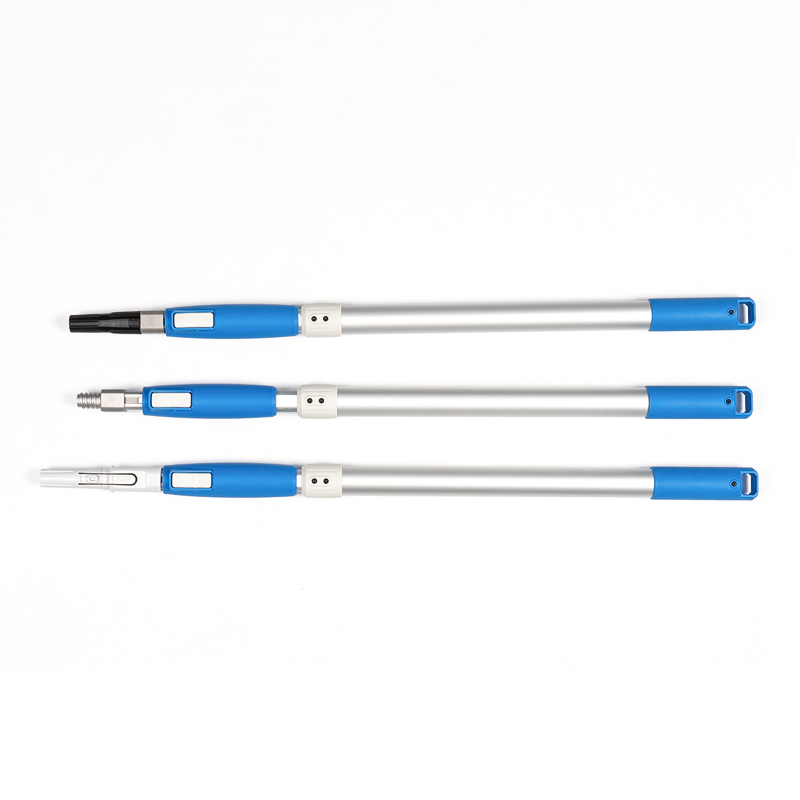
Handles are also a key factor. A long paint roller handle extends reach and enables a user to apply consistent pressure across large walls and ceilings. Ergonomic grips improve maneuverability and reduce fatigue during extended projects, particularly when working with thick roller naps on textured walls.
Coverage Efficiency Comparison
Coverage efficiency varies considerably between flat and textured surfaces. The table below highlights differences using a standard paint roller frame:
| Surface Type | Recommended Roller Nap | Coverage per Gallon (sq ft) | Passes Needed |
|---|---|---|---|
| Flat Wall | 1/4 inch | 350–400 | 1–2 |
| Light Texture | 3/8 inch | 250–300 | 2–3 |
| Heavy Texture | 1/2 inch or more | 180–220 | 3–4 |
Practical Techniques for Textured Surfaces
Textured walls require specific techniques to maximize efficiency with a paint roller frame. Below are recommended practices:
- Choose a thicker nap roller (3/8–1/2 inch) to ensure paint penetrates grooves and uneven areas.
- Roll in multiple directions—vertical, horizontal, and diagonal—to avoid missed spots.
- Use a long paint roller handle to maintain even pressure across high walls or ceilings without fatigue.
- Move slowly to prevent skipping and ensure consistent paint thickness.
- Stipple difficult areas by pressing the roller end into deep textures for thorough coverage.
Cleaning and Maintenance
Maintenance of a paint roller frame is essential for long-term performance, especially when used on textured surfaces. Paint can build up in grooves of the frame or roller cage, which may affect future rolling. Flush the roller frame immediately after use, spin to remove excess paint, and store it properly. Regular cleaning ensures smooth operation and extends the life of both the roller frame and long paint roller handle.
Ergonomic and Efficiency Tips
Using a long paint roller handle not only improves reach but also reduces physical strain. For ceilings or tall walls, maintain a consistent roller angle to avoid streaking. Keep paint loaded evenly and avoid overloading, which can cause dripping and splattering. On textured surfaces, alternating between rolling and dabbing can achieve better penetration in grooves.
Ergonomic considerations, such as cushioned grips, light frames, and balanced roller weight, also contribute to improved control. Users report up to 30% faster coverage when combining proper roller frame selection with a long handle and correct technique.
Final Recommendations
The paint roller frame delivers excellent results on flat surfaces, but textured surfaces require strategic choices: thicker naps, multiple passes, and careful rolling techniques. Incorporating a long paint roller handle increases efficiency, reduces fatigue, and ensures even coverage on both flat and textured areas. Proper maintenance and cleaning of the roller frame are essential for long-term performance.
By understanding surface characteristics, selecting the appropriate roller nap, and using ergonomic tools, users can consistently achieve professional-quality finishes. Prioritizing technique and equipment reduces wasted paint, improves coverage, and saves time, whether painting small rooms or large commercial projects.